
 E-Paper



Shakespeare of undivided Punjab, Waris Shah forgotten on his 300th birth anniversary
A handful of writers on both sides of the border lament that the author of the timeless ballad of ‘Heer’, Sufi poet known for his unparalleled contribution to Punjabi literature , Waris Shah, has been ignored on his 300th birth anniversary

 Prefer HTon Google


Hailed as the Shakespeare of undivided Punjab, Waris Shah, born on January 23, 1722, Jandiala Sherkhan, Pakistan, was a Punjabi Sufi poet of the Chishti order known for his unparalleled contribution to Punjabi literature in the penning of the timeless love legend ‘Heer. Yet it comes as a shock that the heirs of Waris Shah have chosen to skip the remembrance of the great poet even when his ‘Heer’ continues to be most popular among the readers, scholars and filmmakers. It has been translated widely home and abroad.
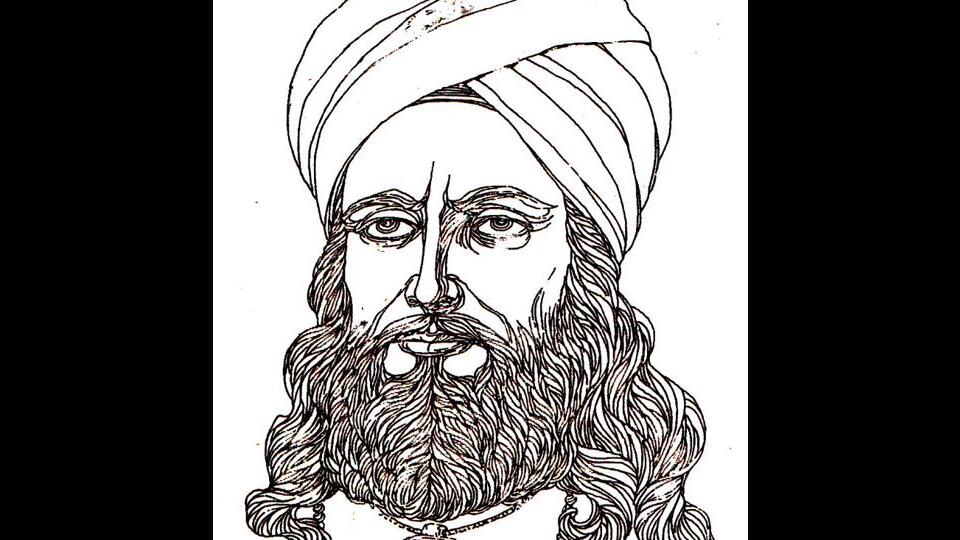
Surprisingly, no university, literary akademi in Pakistan or India, has taken notice of this momentous event to a small remembrance even when a poet of Surjit Patar’s status is at the helm of affairs as chairperson with a Cabinet rank. Does it mean that Waris Shah is forgotten or Heer and Ranjha cease to matter in the present times? While Patar was not available for comment yet eminent writer and former chairperson on the council, Gulzar Singh Sandhu, says: “The importance of Waris Shah or the merit of his writings has not decreased and ‘Heer’ will live on forever. It is just that even litterateurs have short memories. I will confess that I had also forgotten this event. I am hopeful that once the media mentions it, a chain of celebrations will start”.
Punjabi poet Amarjit Chandan, taking on the role of memory maker by reminding the media and writers, says: “Waris Shah is arguably the greatest poet of Punjab in the spiritual-secular sense and we Punjabis are incomplete without Heer and Ranjaha—as another great poet Puran Singh addressed them as ‘our sister and brother’. More than 50 poets penned this ‘qissa’ but it was Waris who made them immortal”.
Lahore-based prominent Punjabi writer Nain Sukh, a winner of the Dhahan Literary Prize for fiction, points out: “It is the tragedy of our times that we choose to forget our literary heritage and have to be reminded of Waris Shah, the greatest of secular poets, who made this tragic story of revolt against a bigotry order dear to the heart of every Punjabi. His achievement has been unparalleled in these 300 years.”
Pakistani poet Mazhar Trimzi adds, “This ‘qissa’ is part of the household of the literate and illiterate Punjab because of its great value in the oral tradition. To understand Punjab, it is essential to know the ‘Heer’ of Waris just as England cannot be understood sans Shakespeare.”
Pertinent to recall that the best of singers has sung this saga, it is the dream of every theatre person to decipher it on stage and innumerable films have been made on this love legend, including Gurdas Maan’s 2006 film ‘Waris Shah: Ishq da Waris’.


