
 E-Paper



Speaker Tenphel calls attention of G20 leaders towards Tibet
Since 2010, no dialogue has taken place with the PRC and the ball is entirely in their court. Nevertheless, the CTA is open and firmly committed to dialogue and negotiation to resolve the Tibet-China conflict in the best interest of both the Tibetan and Chinese people through the Middle Way Policy, he wrote


Speaker of Tibetan Parliament-in-exile Khenpo Sonam Tenphel on Friday wrote to leaders of G20 Summit to bring their attention to Tibet.
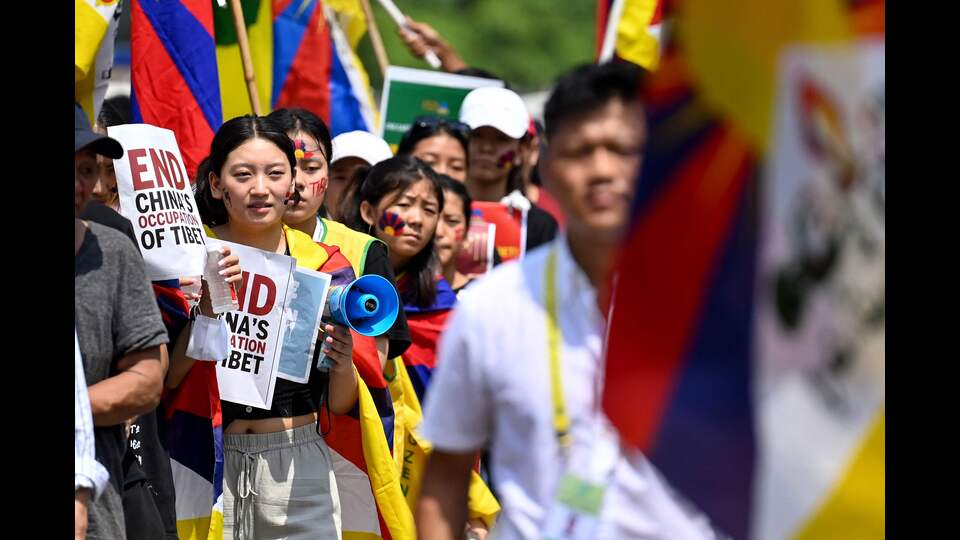
He wrote, “We would like to bring to the attention of honourable delegates and the observers of G20 countries, the pressing issues faced by Tibetan people under the Chinese communist regime.”
“Tibetan people have been traumatised by the systematic violations of their most fundamental human rights, threat to their distinct cultural and national identity, massive environmental destruction and indiscriminate exploitation of mineral, water and forest resources, which led to the destruction of the entire Tibetan plateau, also impacting the world climate at large since the People’s Republic of China (PRC) invaded Tibet in 1949,” he alleged.
Maintaining that historically Tibet was an independent nation, Tenphel asserted that geographically, Tibet existed as a buffer state for more than 2,000 years between two Asian giants — India and China — until its ‘illegal’ occupation by China in 1959.
While highlighting the alleged repressive measures by PRC against Tibetans, Tenphel said to resolve the Tibet-China conflict on the basis of the Middle Way Policy, the Central Tibetan Administration (CTA) has made every effort to initiate a series of confidence-building measures during the nine rounds of talks which took place between 2002 and 2010.
Since 2010, no dialogue has taken place with the PRC and the ball is entirely in their court. Nevertheless, the CTA is open and firmly committed to dialogue and negotiation to resolve the Tibet-China conflict in the best interest of both the Tibetan and Chinese people through the Middle Way Policy, he wrote.
He urged the G-20 leaders to recognise Tibet as an occupied nation with its own independent and sovereign pas.
Desist from endorsing China’s false narrative by labelling Tibetans as a minority, referring to Tibet’s occupation as an internal issue and call Beijing to engage in dialogue with the representatives of the spiritual leader the Dalai Lama.


