
 E-Paper



When and where to watch the Southern Delta Aquariids, Alpha Capricornids and Perseid meteor shower this week
Two annual meteor showers, the Southern Delta Aquariids and the Alpha Capricornids, peak overnight on July 30-31 as the Perseids continue building.

 Prefer HTon Google


Skywatchers have multiple reasons to look up this week as the Southern Delta Aquariids and Alpha Capricornids meteor showers reach their annual peak overnight on July 30-31. The display comes as the Perseid meteor shower, one of the year's most anticipated celestial events, continues to intensify ahead of its peak on August 12-13.
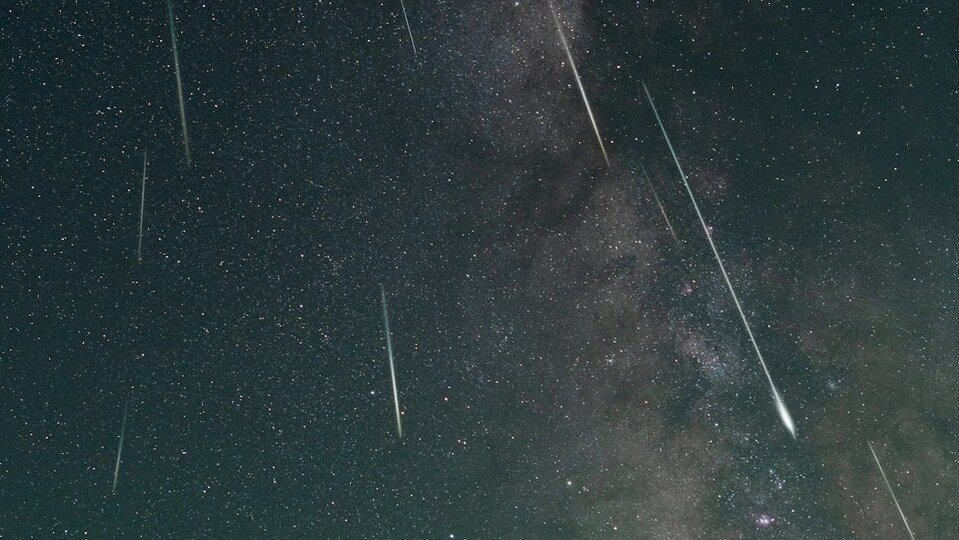
While a bright Buck Moon will reduce the number of visible meteors this week, astronomers say observers can still expect to spot bright "shooting stars" and fireballs under clear skies.
When can you watch the double meteor shower?
According to the American Meteor Society (AMS), both meteor showers will reach maximum activity during the overnight hours between July 30 and July 31.
According to Forbes, astronomers recommend watching the sky after midnight and before dawn, when Earth's rotation places observers on the side facing incoming meteoroids. This period also offers the darkest skies before sunrise.
Although both showers peak on the same night, they offer different viewing experiences.
The Southern Delta Aquariids can produce up to 25 meteors per hour under dark skies. This meteor shower is known for producing a steady stream of medium-speed meteors.
The shower's radiant lies in the constellation Aquarius, which makes it easier to observe from the Southern Hemisphere and tropical regions where the constellation climbs higher in the sky. According to EarthSky, observers farther north may see fewer meteors because Aquarius remains low above the southern horizon.
Meanwhile, the Alpha Capricornids typically generate only about five meteors per hour. However, they are well known for producing exceptionally bright shooting stars that remain visible even under less-than-ideal conditions. Their meteors move more slowly than Perseids. Their radiant is located in the constellation Capricornus.
According to Forbes, skywatchers may also catch early Perseid meteors, which have been active since July 17. NASA says the Perseids originate from debris left behind by Comet 109P/Swift-Tuttle, which last passed through the inner Solar System in 1992. The comet is now expected to return in 2125.
Perseids often produce vivid green fireballs and long-lasting glowing trails.
Also read: Shooting star in Jaws back in focus after dolphins in Christopher Nolan's Odyssey spark CGI chatter
What is the best place to watch the meteor showers?
For the best experience, choose a location away from city lights with an unobstructed view of the sky. Experts advise against using telescopes or binoculars because meteor showers are best viewed with the naked eye over a wide field of view.
Earth Sky suggests that viewers allow at least 20 minutes for their eyes to adjust to the darkness before observing.
Experts also suggest that observers position themselves in a way so that a tree, hill or building blocks direct moonlight to reduce the effect of the bright moon. Looking away from the Moon can also improve the chances of spotting brighter meteors. Instead of staring at the radiant, scan a broad section of the sky, where the longest meteor trails often appear.
Moonlight may have an impact on this week's displays, but the Perseid meteor shower promises even better circumstances. Under a new moon, the shower is predicted to peak overnight on August 12–13.


