E-Paper



Uttarakhand CM to seek Isro help to understand what caused Chamoli tragedy
201 are still missing, 11 bodies have been recovered, 27 have been rescued so far, search and rescue operation is on, say authorities

 Prefer HTon Google


A day after a glacier burst caused massive damage to life and two dams downstream, Uttarakhand chief minister directed chief secretary Om Prakash to seek the help of Indian Space Research Organisation (Isro) scientists to study the cause of the tragedy so that precautionary measures can be taken in the future if something similar happens.
Rawat while talking to the media here said that so far 11 bodies have been recovered and 201 are still missing.
Darshan Singh Rawat, the chief minister’s media coordinator, confirmed the development.
Also Read | PM Modi announces ex gratia of ₹2 lakh to kin of those killed in Uttarakhand
According to Praveen Alok, media in-charge, State Disaster Response Force (SDRF), so far 15 people have been rescued from the Rishiganga dam site and 12 from NTPC’s Tapovan dam site.
He said 70 SDRF personnel, two teams of National Disaster Response Force (NDRF), 425 personnel of Indo Tibetan Border Police (ITBP), one team of Seema Suraksha Bal and 125 army personnel are carrying out the rescue and relief operations in the affected areas of Chamoli.
“Apart from this, 400 ITBP personnel, 220 army personnel and three army choppers are on standby. Choppers are stationed at Joshimath,” he said.
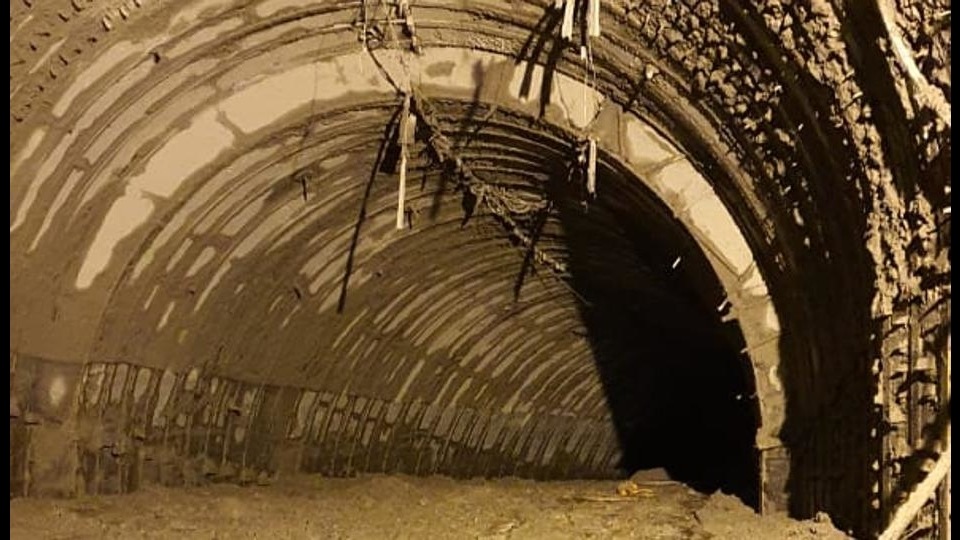
He added that search operation is on for recovering bodies downstream at Reni village, Tapovan, Joshimath, Ghochar, Karnprayag , Rudraprayag, Dharidevi and Srinagar.
Dehradun-based Wadia Institute of Himalayan Geology has already sent two teams of experts to study exactly what happened in Rishiganga catchment area which led to the flash flood. The teams are on their way to Chamoli and will likely reach there by Monday evening.
Kalachand Sain, director, Wadia Institute of Himalayan Geology Dehradun, said, “One team will be led by Manish Mehta and another team by Amit Kumar. We want to understand whether the glacial lake burst led to allof the flooding or damaged the Rishiganga dam, which then added to the quantum of water in the flash floods. But prima facie it seems the glacial lake triggered the whole thing. And what is intriguing is that such a glacial outburst happens in the summer,” he said
Manish Mehta said his team is on its way to Chamoli and. after reaching, will inspect the valley where the flash flood occurred. “It is unusual that a glacial lake burst in this season. But unless we study the area, we can’t say whether it was caused by glacial lake burst or some landslide induced water formation that burst and then caused this tragedy downstream.”