E-Paper



22 Delhi drains to come under single city agency
The development comes in wake of a Delhi high court order dated April 8 to remove the multiplicity of agencies in handling these drains

 Prefer HTon Google


Twenty-two major drains in the Capital that have an outfall in the Yamuna will be handed over to the irrigation and flood control (I&FC) department to improve their maintenance and solve issues arising from a multiplicity of agencies overseeing them, senior officials aware of the matter said on Sunday.
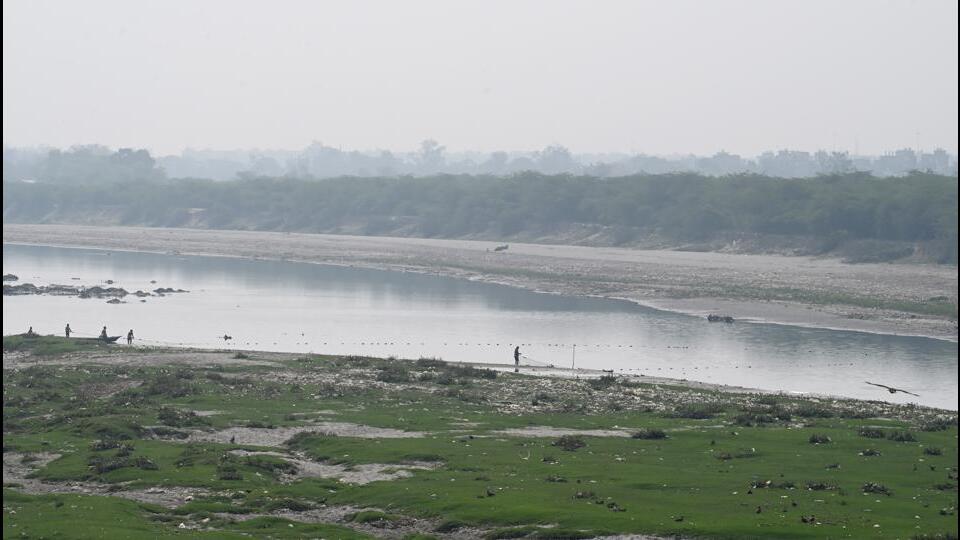
The development comes in wake of a Delhi high court order dated April 8 to remove the multiplicity of agencies in handling these drains, with the court calling for a unified management of drains, and the removal of encroachments on the Yamuna floodplains to tackle waterlogging and aid river rejuvenation.
On April 9, the high court told the Delhi government to assign the management of these open drains in the city to one agency.
“A decision was taken at a joint meeting on April 18 to hand over all these drains to I&FC department. The handover process from various agencies is to be completed by May 31. However, the ongoing desilting and associated works for this year will continue to be carried out by the existing agencies. From next year, the entire responsibility of these drains would fall with I&FC department,” an official said, on condition of anonymity.
These 22 drains were selected as they have direct outfall in Yamuna, and stretches of these are managed by multiple agencies. “It has also been decided that if any agency has an ongoing contract or plans to develop sewage treatment plants along their drain, that process will continue. We will continue with the desilting work so that no crisis takes place ahead of monsoon,” the official added.
A secondofficial said that an official order was received from additional chief secretary (urban development) Manish Kumar Gupta on April 29 following the April 18 joint meet chaired by chief secretary Naresh Kumar.
“The common agency will be I&FC department. The handover and takeover will be completed this month, and the process of the handover will be coordinated by the respective district magistrates, divisional commissioner and a nodal officer from I&FC. The drains will be geotagged and all formalities will be completed,” the official said.
HT has seen a copy of the order.
The problem of many cooks
Delhi suffers from a multiplicity of agencies looking after its drains, with around 10 bodies responsible for 3740.31 km of stormwater drains. In some cases, multiple agencies are involved in the maintenance and operations of a single drain.
For example, the management of water regulators to stop backflow in case of a rise in the water level in the Yamuna is managed by I&FC department, but the pumping of sewage at such times is managed by MCD. This is one of reasons why Mathura Road and Purana Qila Road were flooded during the 2023 monsoon, officials said.
Officials said that the handover of all drains to a single agency will help prevent a blame game between various bodies — a regular phenomenon. “It will also help in better planning to take measures to reduce pollution in the river,” the first official added.
Environmental activist Diwan Singh, who organised the Yamuna Satyagrah to rejuvenate the river and other water bodies in the city, said the multiplicity of agencies in Delhi is one of the reasons for the poor maintenance of drains.
“Departments keep asking for NOCs from each other, and this becomes an excuse to not carry out work. At least, there will now be no excuses in these 22 drains. In my view, the entire drainage system should be under single competent agency. Moreover, in half of the city, the stormwater network is mixed with sewage network. There has to be a single agency starting from internal drainage in colonies to trunk lines. This will also help tackle the problem of untreated wastewater ending up in Yamuna,” he said.