E-Paper



4th waste to energy plant in Delhi to be ready by August next year
The waste to energy plant at south Delhi’s Tehkhand will become operational by August next year, South Delhi Municipal Corporation officials said, adding that a crucial piece of hardware for the plant is expected to arrive by month-end

 Prefer HTon Google


The waste to energy plant at south Delhi’s Tehkhand will become operational by August next year, South Delhi Municipal Corporation officials said, adding that a crucial piece of hardware for the plant is expected to arrive by month-end.
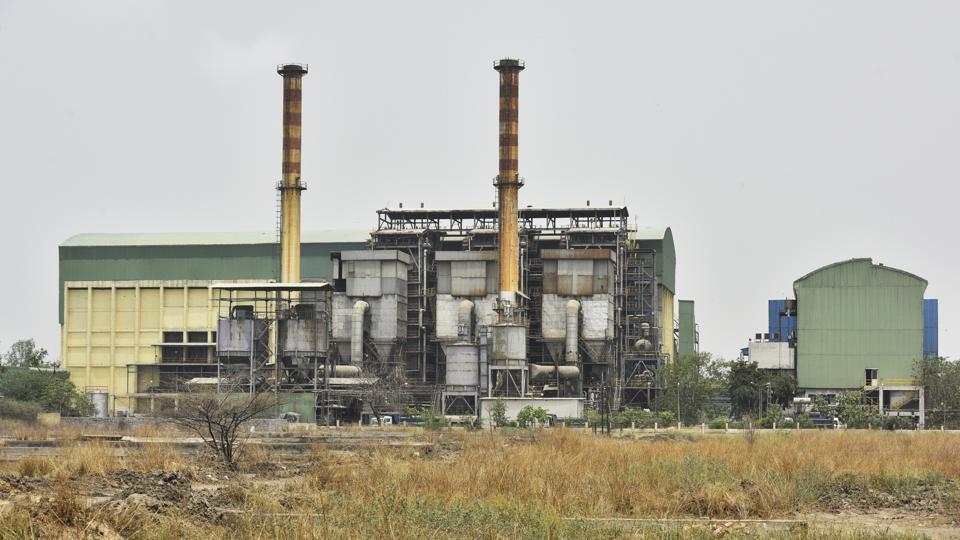
Officials aware of the matter said boilers being imported from China were expected to come by March this year, but faced repeated delays. However, the boilers are now reach the port in Kerala by month-end, from where they will take nearly 40 more days to reach Delhi by road, the officials said.
This will be SDMC’s second waste to energy plant which will process 2,000 tonnes of municipal solid waste per day. The facility will be spread over 15 acres near Tehkhand. “With the second plant being operationalised next year, we will be able to process 100% of municipal waste generated in the SDMC areas. Currently, only 53% of waste is being processed while the rest ends up at the Okhla landfill,” an official said asking not to be named.
The areas under SDMC generate a total of 3,600 tonnes of municipal waste every day.
Currently, Delhi has three waste to energy plants in Ghazipur, Narela and Okhla. The three existing plants have an aggregate capacity to process 5,250 tonnes of waste to generate 52MW power.
Delhi generates more than 11,144 tonnes of waste. In 2019, the north corporation proposed to build a second plant with 1,500 TPD (tonnes per day) capacity near Bhalswa and EDMC plans to build its second such facility in Ghonda Gujran.
“In a few years, the new engineered landfill sites will receive only the ash and burnt leftover from the waste to energy plant and certain components of waste which cant be incinerated. The Okhla and Tehkhand plant will together generate 400-500 tonnes of such waste which will then be dumped at the new engineered landfill site,” official explained.
The general trend in Delhi is now towards using incineration as primary method of waste processing. However, the waste to energy plants have faced stiff resistance by local residents who have flagged pollution generated by such plants.
Experts have repeatedly pointed out that Delhi should focus on segregation of household waste instead of setting up waste to energy plants.
Defending the move to set up the waste to energy plants, a senior SDMC official said that the waste management models of smaller cities cannot be easily replicated in a city with a population of more than 200 million people. “Existing landfills are saturated. People have been resisting the setting up of new landfill sites in their regions while the household waste segregation levels still remain relatively low. The waste to energy plants generate electricity for the city while also providing a solution for the waste disposal problem,” he added.