E-Paper



Ahead of G20 summit: Stretch from Daryaganj to Nizamuddin set for facelift
A senior MCD official associated with the project said a joint survey of the areas had identified five key problems, including damaged footpath, encroachments, inadequate signages and informatory boards

 Prefer HTon Google


The Municipal Corporation of Delhi (MCD) has planned redevelopment works over the next five months along the 7km stretch connecting Nizamuddin and Daryaganj, where several tourist and heritage places are situated. The plan is part of a wider beautification project being undertaken across the city, which will host G20 related meetings starting from February till the summit meeting in September.
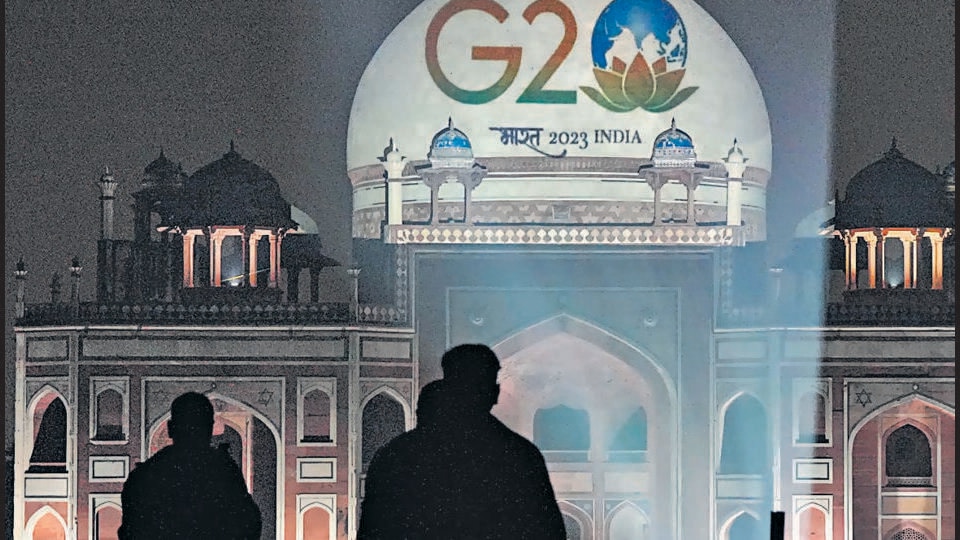
“These areas between Nizamuddin and Daryaganj have been a hub of cultural activities and home to heritage and tourist sites such as Humayun’s Tomb and Sunder Nursey. The central zone has undertaken a detailed survey of these areas to identify the problems after which the redevelopment plan was made,” said a senior MCD official on Tuesday.
While the interventions by MCD are likely to cost at least ₹2.64 crore, officials refused to comment on how much the works executed by other agencies will cost.
The redevelopment plan includes improvement of approach roads and entry points of Humayun’s Tomb, Sunder Nursery, Damdama Sahib Gurdwara and Hazrat Nizamuddin Dargah along with wall paintings, informatory boards, façade lighting and redevelopment of public convenience facilities.
A senior MCD official associated with the project said a joint survey of the areas had identified five key problems, including damaged footpath, encroachments, inadequate signages and informatory boards.
“The joint survey in November also found that there is improper traffic mobility in front of Nizamuddin police station on Mathura Road. Illegal parking of vehicles on Lodhi Road on both approaches towards VIP gate at Nizamuddin dargah and problems connected to parking and agency-wise timelines have been fixed to address the issues. These are being taken up and reviewed at the G-20 core co-ordination committee,” the official added.
The agencies will take up painting of walls, kerb-stones and pavements along this route, while improvement of road berms from Bahadurshah Zafar Marg to Feroz Shah Kotla Stadium will be carried out, officials said.
“We will paint and repair the outer façade of Ambedkar stadium. Urinal blocks will be redeveloped near Raj ghat, Ambedkar stadium, Feroz Shah Kotla stadium, Bahadur Shah Zafar Marg and Nizamuddin police station. There is a yellow point (public urination) along the wall of Humayun’s tomb opposite the exit gate of Sunder nursery which will be removed,” the official added.
Lighting and flower plantation is to be taken up in the open space on the road leading to Humayun’s Tomb and the Nizamuddin dargah’s VIP entry point, the survey report said.
Nizamuddin entry point
The agencies have earmarked seven tasks to be undertaken at the dargah entry point, including removal of handing wires and installation of informatory boards and projection lights.
“The road is badly damaged and repair work has been ordered. A park near the VIP entry point is in poor shape and the horticulture department will take it up. The entry lane also has a large number of encroachments in the form of vendors, who will be relocated,” said an MCD official said.
Similarly, the corporation will repair the roads and interlocking tiles near the Damdama Sahib Gurudwara while the Delhi Jal Board has been tasked with repairing the trunk sewer line. “DJB will desilt the trunk sewer line, which causes backflow during heavy rainfall,” a second official said.