
 E-Paper



Delhi: Covid-19 positivity rate below 1% for 10th day in a row
Wednesday’s positivity rate was 0.46% after testing 73,241 samples. The infection has so far affected over 1.43 million people in the city, according to the data.


For the 10th consecutive day on Wednesday, the Covid-19 positivity rate -- proportion of samples that return positive of the total tested – was under 1% in Delhi, even as the national capital reported 337 new cases of Covid-19, the government’s daily health bulletin said.
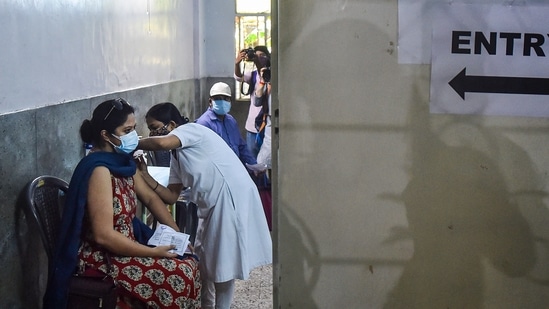
Wednesday’s positivity rate was 0.46% after testing 73,241 samples. The infection has so far affected over 1.43 million people in the city, according to the data. According to the World Health Organization (WHO), the Covid-19 spread in an area is considered to be under control if the test positivity rate remains below 5% for at least 14 consecutive days.
On Wednesday, Delhi also added 36 deaths due to the viral infection, taking the total toll to 24,704 since the first death was recorded on March 13 last year.
With the declining number of cases, the seven day rolling average case fatality ratio (CFR) – proportion of deaths among those who test positive – has shot up to 12.4% on Wednesday.
The cumulative CFR – based on the total number of cases and deaths -- stands at 1.73% so far, as compared to the national average of 1.22%.
With the second wave of infections in Delhi subsiding, the government is busy preparing for a third wave. It has started the unlock process, in which markets were allowed to open from Monday on an odd-even basis, along with malls. Delhi Metro also started operations with 50% capacity.
The April-May surge in cases was the worst Delhi has seen with over 28,000 cases and 277 deaths being reported on April 20, rising to 306 fatalities on April 22. On May 3, the city registered a record 448 deaths and 18,043 cases, according to the state health bulletin.
The city also faced an acute shortage of oxygen by April-end as hospitals saw a large number of critical Covid-19 patients.
Experts warned that while preparing for a possible third wave, it was important to keep an eye out for new variants. “Before planning for a third wave, we need to see why such a devastating second wave had happened. It happened because a new and more infectious Delta variant of the virus was circulating since December which was given an opportunity to spread. We missed the new variant. Now, we need to ensure that we do enough genomic sequencing so that we do not miss any new variants,” said Dr Jacob John, former head of the department of virology, Christian Medical College, Vellore, Tamil Nadu.


Stay updated with all top Cities including, Bengaluru, Delhi, Mumbai and more across India. Stay informed on the latest happenings in World News along with Delhi Election 2025 and Delhi Election Result 2025 Live, New Delhi Election Result Live, Kalkaji Election Result Live at Hindustan Times.


