
 E-Paper



Delhi’s power demand in winter hits all-time high
The power demand rose by 300MW in the last 24 hours, with a peak of 5,241MW on Thursday and 5,257MW on Wednesday


Delhi’s power demand on Friday soared to its highest-ever level recorded in the winter, as city residents turned up their heaters and geysers to counter yet another cold, sunless day.
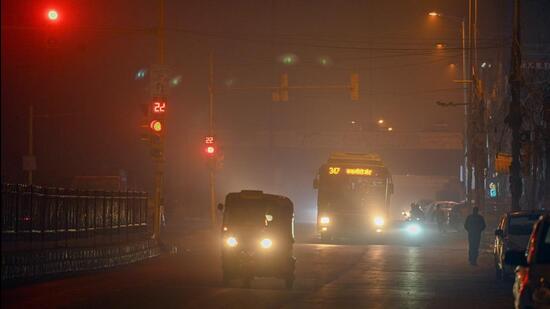
The peak power demand in the city touched 5,559MW (mega watts) at 11.05 am on Friday, the highest recorded in the city in the winter months (November to February), and surpassing the previous winter peak of 5,526MW, recorded on January 6, 2023, according to data from the State Despatch Load Centre (SDLC). Power demand rose by 300MW in the last 24 hours, with a peak of 5,241MW on Thursday and 5,257MW on Wednesday.
The daytime temperature in the city on Friday was 14.6 degrees Celsius (°C), five degrees below normal, according to the India Meteorological Department (IMD). The peak temperature on Thursday was just 12.5°C, according to IMD, making it the lowest daytime temperature recorded in the Capital in the past two years.
A power discom official said sustained daytime cold over the past two days appeared to be the reason behind the spike in power demand. “More than 50% of the demand in winters comes from heating instruments such as geysers and room heaters. This spike is because of the prolonged cold spell over the last two days,” the official said.
Discoms said they were able to meet this peak power demand under their jurisdictions without any outages, and expected demand to rise further.
To be sure, the peak demand gets far higher in the summer months, soaring to as high as 7,695MW, which is Delhi’s all time high and was recorded on June 29, 2022. This summer, the highest peak demand was 7,438MW, which was recorded on August 22, 2023.
“BRPL and BYPL successfully met the peak power demand of 2,379MW and 1,136MW respectively,” said a BSES (formerly Bombay Suburban Electric Supply, now known as R-Infra) spokesperson, adding that aside from long-term agreements with power plants, more than 2,000MW came from green energy sources such as solar, hydro, and wind. BRPL (BSES Rajdhani Power Limited) and BYPL (BSES Yamuna Power Limited) are BSES subsidiaries.
A Tata Power DDL spokesperson said they handled a peak demand of 1,735MW without any constraints.
“The company expects the peak demand to breach the 1,800MW mark this season and has made long-term power tie-ups for meeting the same,” the spokesperson said.
Tata Power DDL provides electricity in north Delhi, with BRPL and BYPL providing electricity in the rest of the city.
According to SDLC data, the peak power demand was 5,104MW in the winter of 2021-22; 5,021MW in the winter of 2020-21; 5,343MW in 2019-20; and 4,472MW in 2018-19.
To be sure, these numbers are much lower than the summer peak demand in the city.

Stay updated with all top Cities including, Bengaluru, Delhi, Mumbai and more across India. Stay informed on the latest happenings in World News along with Delhi Election 2025 and Delhi Election Result 2025 Live, New Delhi Election Result Live, Kalkaji Election Result Live at Hindustan Times.


