
 E-Paper



DJB invites new firms to install water meters
Officials said the move aims to address residents’ complaints about faulty and defunct water meters

 Prefer HTon Google


New Delhi: The Delhi Jal Board (DJB) has invited new manufacturers to supply approved water meters in the Capital in a push to streamline installations and improve its billing efficiency, officials said.
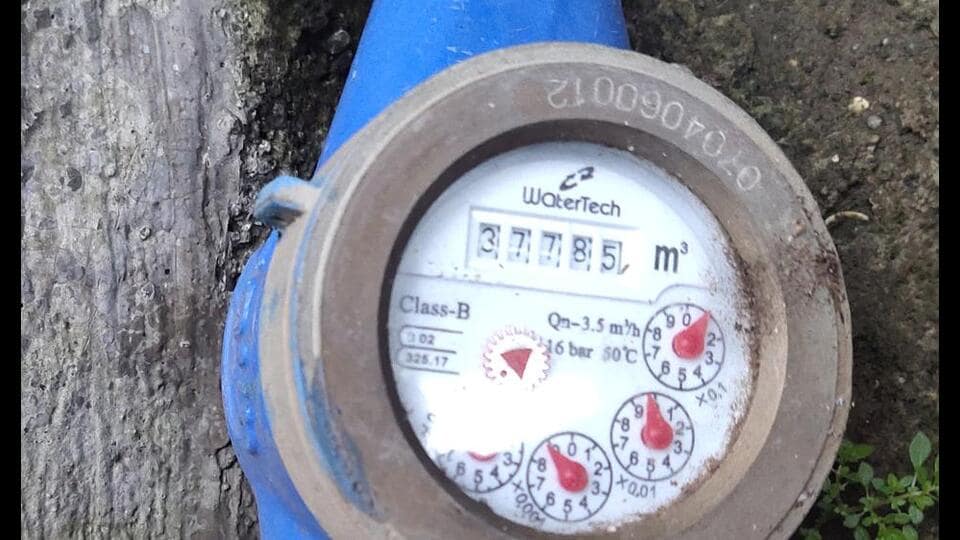
Officials said the move aims to address residents’ complaints about faulty and defunct water meters.
According to officials, Delhi currently has around 2,900,000 to 3,000,000 metered connections, significantly lower than the total number of households and behind the electricity metering coverage of around 7,300,000. This gap–– combined with ageing meters that often under-record or stop functioning––has contributed to revenue losses and consumer complaints, said a DJB official.
DJB has floated a new expression of interest (EOI) on April 13, inviting manufacturers of 15mm diameter water meters to apply for empanelment by May 6.

“At present, only 10 models from nine manufacturers are approved for use by consumers. The move aims to widen options and accelerate replacement of outdated devices. The last empanelment exercise was carried out almost a decade back,” the official added.
“Water meters play a vital role in revenue generation. It is necessary to review and revamp the entire metering system in line with technological advancements,” the EOI document, seen by HT, stated.
The utility has specified stringent technical and quality norms. “Meters must be inferential, multi-jet, magnetically coupled, and conform to ISO 4064 standards, with certifications,” the report added.
To ensure reliability, meters will undergo testing at the Fluid Control Research Institute (FCRI) in Kerala or other approved labs before empanelment. Manufacturers must also comply with the Legal Metrology Act, 2009, and secure model approval certification, according to the EOI.
Material specifications have also been tightened. Meter bodies must be made of brass or bronze, resistant to corrosion, chlorine exposure, and safe for potable water. Internal components such as spindles must be polished stainless steel with durable tips, while coatings must be food-grade and non-toxic.
The DJB has also mandated tamper-proof sealing systems, including polycarbonate triple-lock seals with unique identification numbers to curb theft and manipulation. According to stakeholders, modern, accurate metering is key to improving billing transparency and reducing water losses in Delhi’s distribution network.
On April 8, HT had reported that Delhi government’s scheme offering regularisation of illegal water connections through a substantial reduction in penalty amounts received a very low response with around 2500 applications by March 31, senior officials said.
Last year on October 14, the government announced the unauthorised connection regularisation scheme, allowing consumers to regularise their connections by paying a token amount of ₹1000.
According to the Delhi economic survey (2025-26), the DJB has around 2,900,000 connections, of which 2,815,000 are active domestic connections and 84,000 are commercial connections. The water sale was 403.03 MGD indicating a large non revenue water (NRW) component due to leakages and thefts through illegal connections. Delhi’s NRW water is estimated to be around 50 to 52 per cent.
“The existing system of water meter supply has been amended. Now consumers can purchase water meters of approved specifications from the market. Consumers with DJB’s defective meters can replace them with private meters and have been given the option to either get the security refund or have it adjusted in future charges,” the survey stated.
However, the impact on the ground has been negligible with little change in number of connections.

Stay updated with all top Cities including, Bengaluru, Delhi, Mumbai and more across India. Stay informed on the latest happenings in World News along with Delhi Election 2025 and Delhi Election Result 2025 Live, New Delhi Election Result Live, Kalkaji Election Result Live at Hindustan Times.


