E-Paper



New Delhi to get 5,000 new signages for G20 summit
To complete the work, ₹31 crore has been sanctioned. The work has already started and is likely to be completed before March

 Prefer HTon Google


In the run-up to the G20 summit to be held in the Capital from March, the New Delhi Municipal Council (NDMC) will change around 5,000 road signages in its jurisdiction, converting green ones to blue and painting those near heritage places brown with white letters.
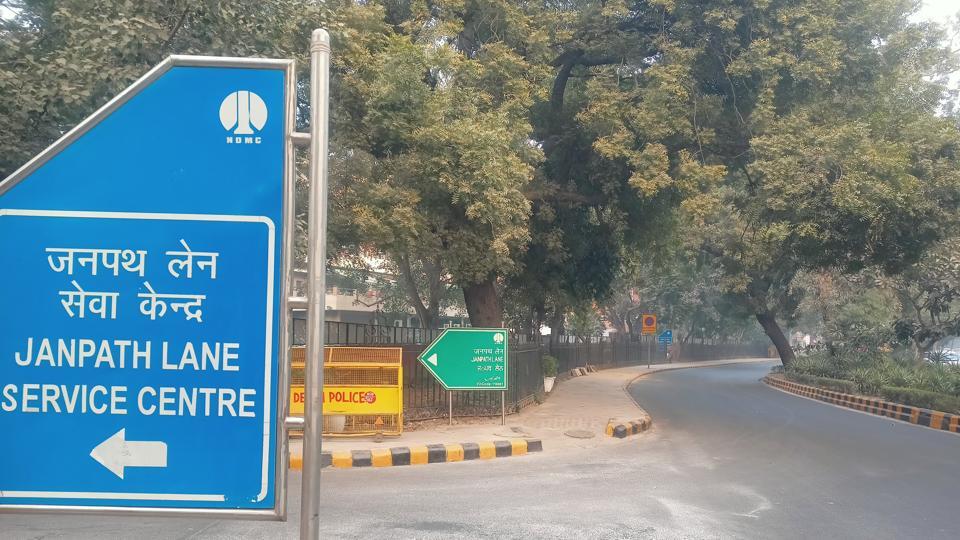
NDMC member Kuljeet Chahal said they decided on the changes based on the recommendations of the Indian Road Congress. “About 5,000 signages will be changed from green to blue and for heritage places the signages will be in brown with white letters. To complete the said work, ₹31 crore has been sanctioned. The work has already started and is likely to be completed before March,” Chahal said, adding that signages on major locations may also feature G20 logos.
Chahal reviewed G20-related infrastructure improvement works on Thursday on Outer Circle (Panchkuian Road traffic signal) to Minto Road, Mandi House and Sardar Patel Marg. “Sardar Patel Marg acts as the main entry point for New Delhi region from Indira Gandhi International Airport. We have started replacing grilles around the ridge. The earlier green railings are being replaced by orange railings with cladding made of Jodhpur and Dholpur stone. The entire 2.8km-long stretch is being redone with new railings, flag installations at 15 points, green belts and water fountains,” Chahal said.
An NDMC official explain that 15 points along the 2.8km stretch will feature 112 national flags, each 9 metres tall. “Seven installations will be on the either side of the road, with the central point at Gyarah Murti featuring the 15th installation,” the official said, asking not to be named. He added that there are two fountians along the Sardar Patel Marg already, and more will be built. “We will also be replicating the lion sculpture installation along the road,” the official said.
The work of installation of eight lion statues at key intersections in this corridor is already underway as part of a project coordinated by the lieutenant governor’s office. “There will be six white marble lion statues, which are six feet tall and weigh 2 tonnes each, and two black stone lions, which are 13 feet tall and weigh 14 tonnes each. The fountains will come up at intersections from Aerocity towards T-3 terminal, junctions near T-3 terminal, T-1 terminal, Dwarka among other sites,” the official quoted above said.
Chahal said that the majority of the G20 meetings will be held in the New Delhi area and so they have started painting the walls with welcoming messages for G20 delegates . “Five-hundred trees will be illuminated along the main entry points and LED screens relaying messages related to G20 summit will come up at five key locations,” Chahal added. The locations of these installations is yet to be finalised.