E-Paper



In 1904, a British duke sent six Himalayan tahr to New Zealand for hunting; five survived, and the population later grew to tens of thousands
In 1904, a British duke gave New Zealand six Himalayan tahr to hunt. A long-term study found their grazing affected alpine plant cover and tussock height.

 Prefer HTon Google


Sometimes a gift comes with a very long tail. In 1904, a British duke sent six Himalayan tahr to New Zealand so people could hunt them. A long-term study published in the journal Biological Invasions in 2017 tracked what those animals did to the mountains. Its authors, Jennyffer Cruz and colleagues, examined plots that were monitored for more than two decades. Here is what they found.
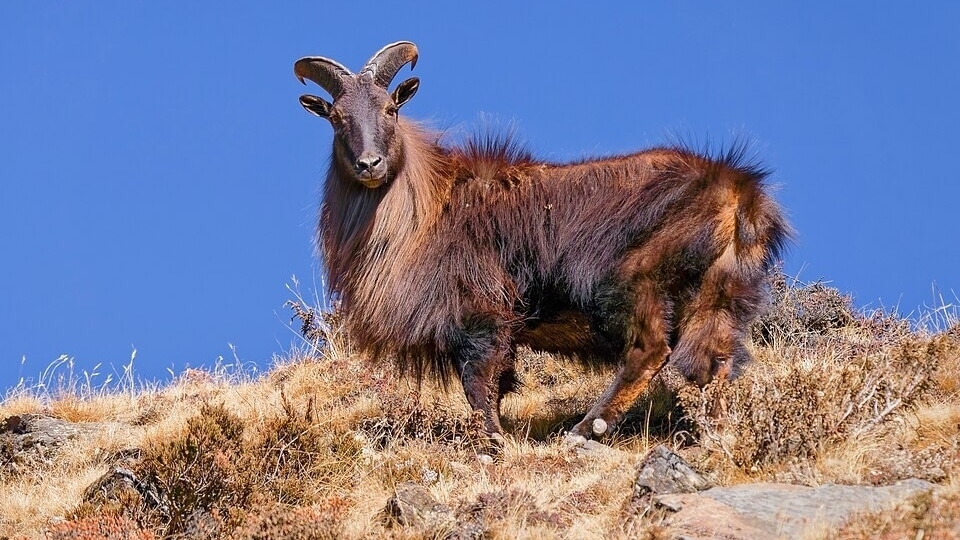
A gift meant for hunters
The Duke of Bedford gave six tahr to the New Zealand government in 1904. The Department of Conservation (DOC) says tahr are goat-like animals from the central Himalayan ranges of India and Nepal. They were brought in as a hunting resource, according to the study. Historical sources state that only five of the six animals made it through the trip. They were released near Mount Cook, in the Southern Alps, where they found themselves a nice home. At the time of the study, tahr occupied about 9,600 square kilometers of the Southern Alps.
How the numbers swung
There was no linear growth in the numbers. According to the study, some areas once held up to 30 tahr per square kilometer. It also reports that commercial helicopter hunting from 1970 cut the population from about 50,000 to about 2,000 by 1983, within an estimated 6,000 square kilometers of the Southern Alps. Numbers have increased since then. DOC estimated about 29,800 tahr in the seven management units on public conservation land in 2023, with a wide range of about 22,100 to 40,150. Counting is difficult because tahr live in steep, remote terrain.
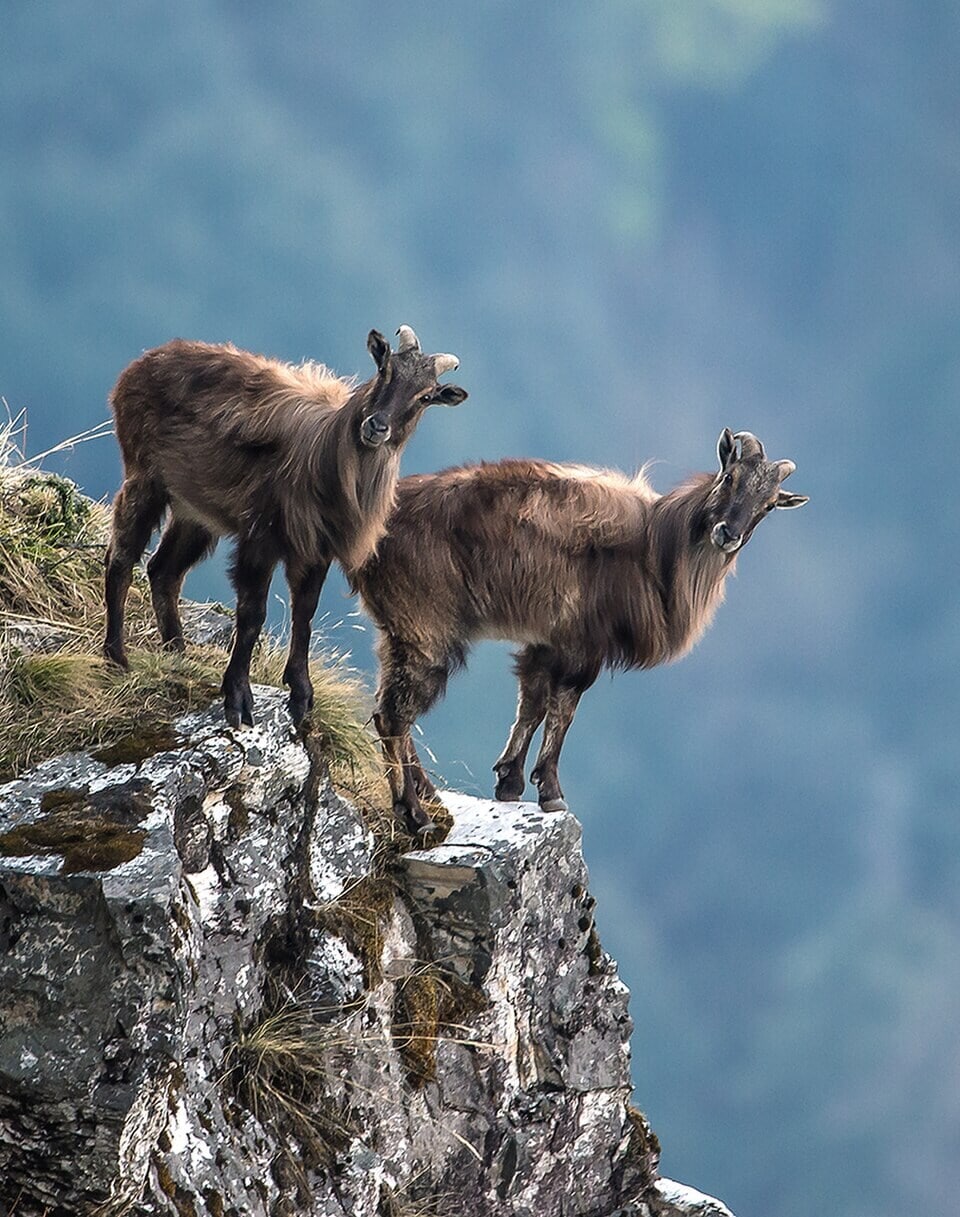
Why alpine plants have a hard time
DOC says New Zealand’s alpine plants have evolved in the absence of large mammal grazers for millions of years. Many have no defenses such as toxins or spines to deter tahr. These animals eat snow tussock, a tall grass that grows on many alpine slopes. They also eat alpine buttercups and mountain daisies, some of which are endangered or at risk. Herds can crush plants and soil, says DOC. In extreme cases, large groups can turn tussock and shrubland into grassland or bare ground. Changes in plant communities can mean loss of food and shelter for rare birds such as kea and rock wren, DOC says.
What the long-term study showed
The study examined 111 permanent plots across eight catchments. The plots were set up in the 1990s and re-measured through 2013. The team used animal droppings to measure tahr activity. Tussock height declined as tahr activity increased. Total plant cover also declined as tahr activity increased, with the sharpest decline at low activity levels. Even so, overall plant cover increased over the course of the study, perhaps because the land was still recovering from heavier grazing before the 1970s. Even so, the authors concluded that tahr had a significant effect on plant cover and tussock height.
What it means today
DOC says tahr have no natural predators in New Zealand, so unless hunters or DOC get involved, their numbers can increase. The Himalayan Tahr Control Plan 1993, which guides DOC’s work, allows a managed population of up to 10,000 tahr across Crown pastoral leases, private land, and public conservation land. Hunters are also important in helping to manage tahr numbers. The study’s authors leave us a lesson for the future. They say such long-term impacts should be considered before introducing grazing animals to new areas. More than a century later, tahr still influence how New Zealand manages its mountains.