E-Paper



Summertime spike: Fires in May jump 54% compared to last year
Delhi Fire Service (DFS) chief Atul Garg said usually they receive more fire calls during summer months, and added that one of the reasons behind fewer fire incidents in 2020 and 2021 was that industrial and other business activities were curbed due to Covid-19 related restrictions.

 Prefer HTon Google


The national capital reported over 54% more fires this May compared to last year, data shared by the Delhi Fire Service (DFS) showed even as officials said they expect a rise in the number of fires in June and July as well.
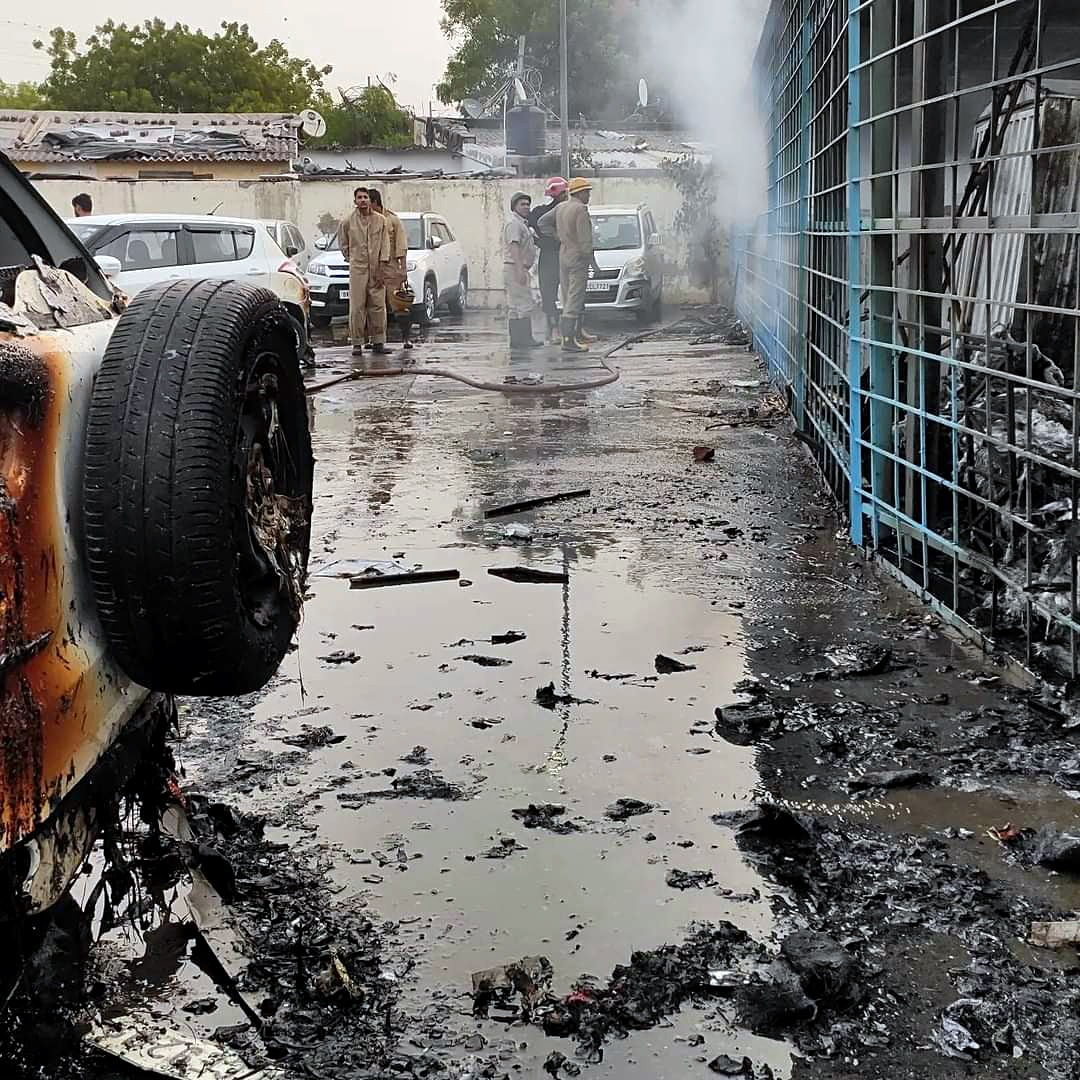
According to DFS data, a total of 3,362 fire incidents were reported in May this year, up 54.6% from 2,174 last year.
A similar surge was reported this April too when the number of fire-related calls to DFS was over 26% more than the same period (April 29) last year saw.
In 2019, a total of 3,297 calls were received in May and 2,325 in May 2020 which clocks in an increase of 1.97% and 44.6% respectively.
DFS chief Atul Garg said usually they receive more fire calls during summer months, and added that one of the reasons behind fewer fire incidents in 2020 and 2021 was that industrial and other business activities were curbed due to Covid-19 related restrictions. “During the lockdown, the industries and factories were not operating and it contributed to reduction in calls,” he said.

Garg said the increased load on electrical wires and devices during the summer months make it easier for short circuits to take place, thereby causing fires.
He added that they are anticipating a similar increase in fire incidents in June and July, specially if the temperature continues to be extreme.
“We start preparing for summers in January and February only. All officials are aware of the situation that emerges during this season each year,” Garg said.
In terms of weather, May was the month of contrasts in Delhi.
Delhi ended May with an average monthly maximum temperature of 40.1 degrees Celsius, 0.6 degrees above normal and the highest since May 2018, when it was 40.4 degrees. However, it was also a month of two contrasting halves, with the first half largely characterised by heatwaves which saw parts of Delhi cross the 49-degree mark, while the second half saw short but intense spells of rain, adding 46.3mm of rainfall to the city -- more than double the monthly average of 19.7mm. Incidentally, the average monthly maximum for May was 0.1 degrees lower than that of April, which was 40.2 degrees, IMD data showed.
May also witnessed the fire in a four-strorey building in north-west Delhi’s Mundka where a CCTV assembling unit was being run illegally. Twenty seven people died in the blaze on May 13, making it one of the most devastating fire incidents reported in the Capital. The factory was being run without any safety clearances and the building had just one exit, in contravention of fire safety norms, that turned it into a trap for the occupants of the building.
Garg said this is why they work with a meticulous plan during summer. He said leaves of fire officials are restricted to ensure maximum hands are available to meet any eventuality. “In order to ensure the maximum availability of the fire fighters, the leaves of all the staff are restricted,” Garg said, adding that all vehicles and equipments are also overhauled and kept in ‘ready for deployment’ condition.