E-Paper



Supreme Court to hear Delhi mayoral polls plea on Feb 13, court’s notice to LG
The bench, which also comprised justices PS Narasimha and JB Pardiwala, issued notices on the petition after hearing senior counsel Abhishek Manu Singhvi

 Prefer HTon Google


The Supreme Court on Wednesday sought a response from the office of the Delhi Lieutenant Governor and the protem presiding officer of the Municipal Corporation of Delhi (MCD) on a plea by the Aam Aadmi Party’s mayoral candidate Shelly Oberoi for urgent completion of elections to the mayor and deputy mayor positions in the civil body held up for two months.
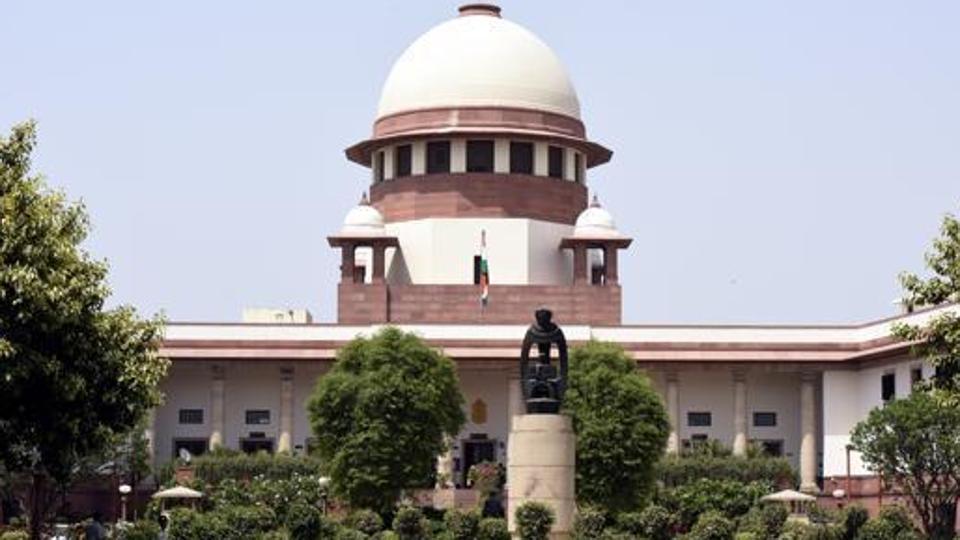
A bench headed by Chief Justice of India (CJI) Dhananjaya Y Chandrachud fixed the next hearing on February 12 acceding to the AAP leader’s request that an imminent intervention of the top court was imperative given the fact that the elections were stalled three times since December 2022.
The bench, which also comprised justices PS Narasimha and JB Pardiwala, issued notices on the petition after hearing senior counsel Abhishek Manu Singhvi, who appeared for Oberoi, and called it a matter of “extreme urgency”.
Singhvi complained that not only the elections were repeatedly stalled, 10 nominated members in the House – known as aldermen -- were sought to be illegally given a right to vote in the election.
At this point, the bench responded that even if the nominated members were allowed to vote, it may not have any real impact on the outcome. “The difference is very substantial between you and them,” observed the bench. The results of the MCD elections were announced on December 7. The AAP got 134 out of 250 councillors while the Bharatiya Janata Party (BJP) got 105 and the Congress nine seats.
Singhvi, on his part, said that the petition was also challenging the L-G’s decision to appoint Satya Sharma as the protem presiding office to oversee the election and working of the House for the time being.
“She is herself illegal and not the senior most. She says hold mayor, deputy mayor and standing committee elections together. There is a provision directly saying you cannot do that...it is for the mayor and the deputy mayor to preside over all the meetings after they have been elected,” the senior lawyer added.
To this, the bench said that it would record Singhvi’s submissions in its order of issuing notices. “It is stated though elections were held on Decembe 4, 2022, as of now no elections have been held to the office of Mayor, Deputy Mayor and Standing Committee. It is also said nominated persons cannot vote in municipal polls,” recorded the order.
It added: “It is also argued that simultaneous polls to the three posts of Mayor, Deputy Mayor and Standing Committee is directly contradictory to the statute. Issue notice, returnable on Monday. Liberty to serve the L-G office through the central agency.”
Oberoi filed a petition jointly with her party’s leader of the House in the MCD, Mukesh Kumar Goel, demanding a directive for timebound elections to the posts. The petition was mentioned on Tuesday by Singhvi and the CJI agreed to hear it on Wednesday.
This was the second time within 10 days that Oberoi knocked on the doors of the top court for an order to hold the elections. On February 3, the top court had allowed her to withdraw the previous petition after noting that the election for the posts was scheduled to be held on February 6.
However, the February 6 session ended in a ruckus as members of AAP staged protests against the House presiding officer’s decision to allow the 10 aldermen to vote for the posts of mayor, deputy mayor and the standing committee. Certain elected members in the House were restrained from voting on disciplinary grounds. The House was subsequently adjourned indefinitely.
This was the third time that the House met but failed to elect the key leaders required for the functioning of the MCD.
The first meeting of the newly constituted MCD descended into an ugly brawl on January 6. Councillors fought pitched battles on the floor of the House, exchanging blows, climbing on tables to shout slogans, jostling with each other, and even attempting to hurl furniture in the melee.
On January 24, the election was stalled yet again after a ruckus broke out in the MCD minutes after the nominated members (aldermen) and councillors were sworn in and the mayoral poll was going to start. The AAP and the BJP blamed each other for the situation..
The political deadlock has delayed the election of a mayor for the first time since the inception of a local body in the Capital in 1957.
The votes are cast through a secret ballot in the mayoral polls. The electoral college for the election of mayor includes 250 elected councillors, seven members of the Lok Sabha, three members of the Rajya Sabha, and 1/5th of the members of the Delhi Assembly (14).