
 E-Paper



Police roped in for contact tracing of Covid-19 cases in Ghaziabad
Under the new system, three-member teams, comprising an official each from the health department, the administration and the police, have been formed, which will be notified if there is any positive case under the jurisdiction of the 18 police stations across the district.


Nearly four months after the first coronavirus (Covid-19) disease case emerged in the district, officials have decided to adopt a robust system of contact tracing of patients. Based on suggestions by the Uttar Pradesh government-appointed nodal officers, a three-member team has been formed under every police station area for effective contact tracing.
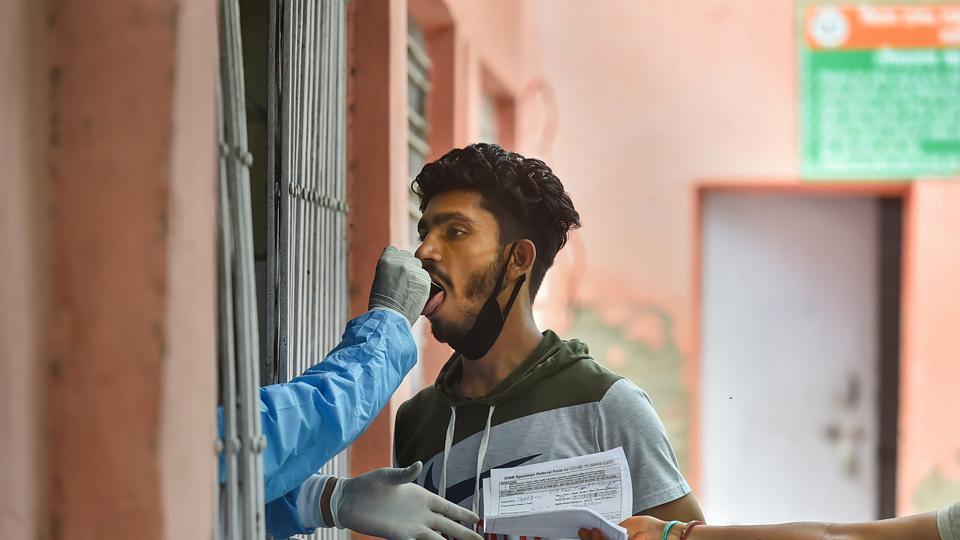
Under the new system, three-member teams, comprising an official each from the health department, the administration and the police, have been formed, which will be notified if there is any positive case under the jurisdiction of the 18 police stations across the district.
“Under the new system, the concerned officials will be connected to a social media group. Once we find a positive patient, we will immediately flash the information to the concerned social media group of the concerned police station area. From there, teams will contact the patient and ensure they are taken to the appropriate Covid hospital, and will also trace their contacts. This system will be more effective with the help of police presence,” said Dr NK Gupta, chief medical officer.
At present, a team of five-six doctors were stationed at the IDSP lab at the MMG Hospital, who contact positive patients and scrutinize their contact history.
“In the earlier system, there was no physical contact with the positive patient and we had to rely on information supplied by him/her. Now, the teams will not only contact the patient but can physically go to meet the patient and take up their contact history in detail. Police presence will ensure that help of electronic surveillance is also taken up for contact tracing. Earlier, we took the police’s help in selected instances and only our team of doctors was in touch with the patient over the phone,” Dr Gupta added.
The contact tracing is an important tool in checking the spread of the coronavirus disease, as it helps find out people who came in contact with the positive patient. It becomes vital as all the contacts need to be ascertained, verified and also tested, in case they contracted the virus from the positive patient.
According to officials, the Ghaziabad district has an average of four-five contacts per positive patient. Sources in the health department said they have a list of about 81 patients who were tested positive but either provided wrong addresses or wrong contact numbers.
“There are about 81 entries of such patients over the state portal. We are trying to trace them and will also take the police’s help in finding them. It could also be possible that they were residents of places outside the district and got themselves tested here,” the source said.
Following the new contact tracing arrangement, the Ghaziabad police Thursday evening appointed 18 police officers as nodal officers who will be coordinating with the newly-formed teams.
“The three-member team will also have one of our police officers, who have been designated as nodal officers, one each, for all 18 police station areas in the district. The task of the team will be to get in touch with patients and take up their contact history, besides getting them admitted to Covid hospitals and ensuring that sampling of the contacts is initiated at the earliest,” said Gyanendra Kumar Singh, superintendent of police (crime).
“At present, we have a list of about 100 patients who need to be searched and could not be located as they provided wrong addresses or incorrect mobile numbers. We will also take the help of electronic surveillance to trace them and legal action will also be initiated against them for hiding their health status,” he added.
Earlier in April, the Ghaziabad health department took the help of the police’s electronic surveillance methods for contact tracing after several employees of a Noida-based company – Ceasefire – came out positive and about 17 of them were listed as residents of Ghaziabad.
The other major use of the police and electronic surveillance methods came into picture when the health department sought the help of tracing those who had attended the Tablighi Jamaat religious congregation in Delhi in March and had their addresses listed in Ghaziabad district. The event had turned out to become a super-spreader for Covid-19 across the country.


Stay updated with all the Breaking News and Latest News from Mumbai. Click here for comprehensive coverage of top Cities including Bengaluru, Delhi, Hyderabad, and more across India along with Stay informed on the latest happenings in World News.


