
 E-Paper



22 years of Gurugram’s development through a lawyer’s lens
Manish Shandilya reflects on Gurugram's transformation, advocating for civic improvements while addressing income disparity through pro bono legal work.

 Prefer HTon Google


Dusty roads to high-speed underpasses. Financial distress to sudden realty boom. An underdeveloped township to a major corporate and urban hub.
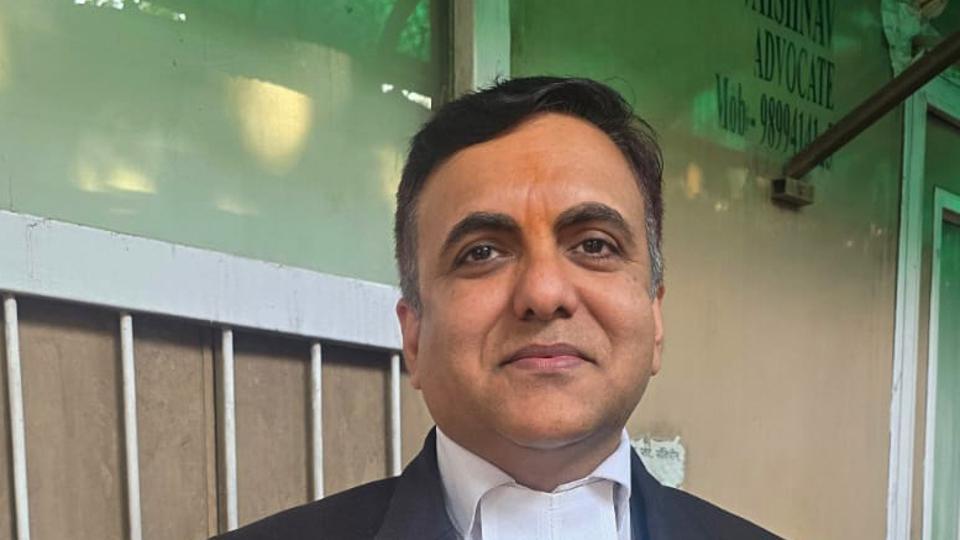
These transformations encapsulate the journey of 42-year-oldManish Shandilya, who moved to Gurugram from Delhi in 2004, well before its transformation into an urban sprawl. He currently resides in Sushant Lok-2, becoming a witness to the Millennium City’s many success stories, as well as failures.
“When I first came here, there were green open spaces, very little traffic and far less pollution than Delhi. The city felt quiet and peaceful. But the calm came with serious gaps — broken roads, dust, weak drainage, poor transport and almost no civic infrastructure. It was a town trying to present itself as a modern city,” he said.
A lawyer by profession, Shandilya also discusses income disparity between residents, which motivated him to take up many cases for poor litigants on a pro bono basis. Besides these cases, Shandilya has also filed several petitions on poor roads, drainage issues and sanitation gaps in the city.
“The motto of my professional law practice is to ensure that justice reaches the last person in the queue. A number of cases on behalf of underprivileged litigants related to getting their dues from insurance companies, getting bail in criminal cases where they have been implicated wrongly and for people to enforce their rights have been filed,” he said.
Born in the Kangra Hills of Himachal Pradesh, Shandilya completed his early education in Gurdaspur of Punjab and Deoghar in Jharkhand before moving to Delhi in 1990 for higher studies. He earned his bachelors and masters degrees in law from the Delhi University, and followed it up with an MBA from the Hisar University. In 2004, he shifted to Gurugram to work as an assistant auditor with a private firm, initially living in Ashok Vihar, near the railway station.
He says that his early professional life was also uncertain, citing low job stability, delayed payment of salaries, and an uncertain evolving corporate culture. Public transport was limited and petty crime and private transport monopolies posed challenges. He, however, credits increased migration for expanding Gurugram’s economy that has led to its current status.
“My entire professional growth has happened here. Gurugram is to Delhi what Manhattan is to New York,” he said, calling it a city of ambition and fast pace.
Yet, he remains sharply critical of governance gaps. Through litigation, he has pushed authorities on road repairs, drainage and sanitation. “The biggest gaps are in civic governance, roads, drainage and public social spaces. If we don’t fix these quickly, traffic and pollution will damage the city’s future,” he said.


Stay updated with all the Breaking News and Latest News from Mumbai. Click here for comprehensive coverage of top Cities including Bengaluru, Delhi, Hyderabad, and more across India along with Stay informed on the latest happenings in World News.


