
 E-Paper



Bar licence fee up 40% in Haryana, nightlife may cost more
Officials from the excise department defended the hike, saying it aims to boost state revenues, crack down on illegal operators, and ensure transparency.

 Prefer HTon Google


The charges of obtaining a licence to serve liquor at a restaurant in Haryana has been hiked by 40% under the state’s revised excise policy for 2025–27, a move that’s expected to make dining out and nightlife in cities like Gurugram more expensive.
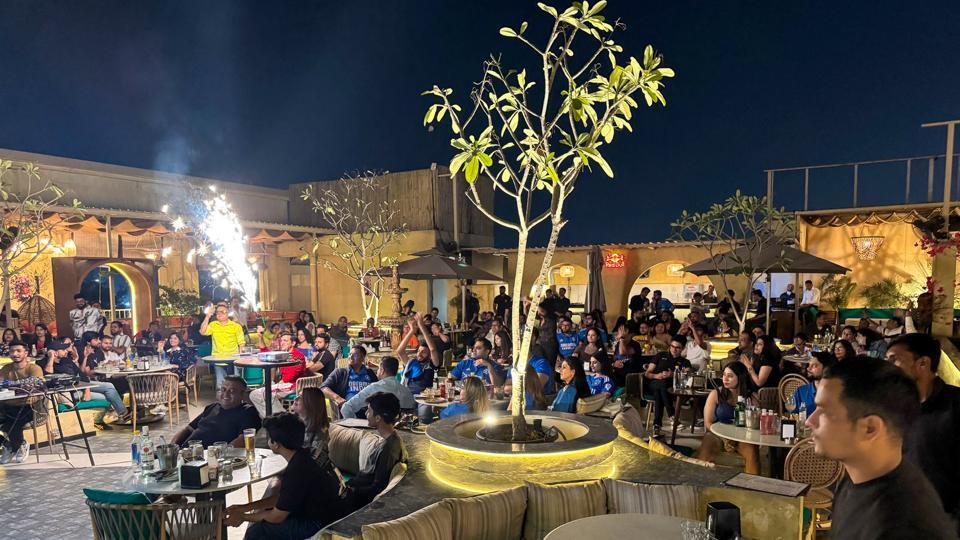
The steep rise — coupled with increased procurement and compliance costs — has left restaurateurs and patrons bracing for sharp price hikes on alcohol menus, threatening to dull the city’s vibrant after-hours culture.
The impact will be most pronounced in premium hospitality hubs, where liquor prices are set to surge. “The licence fee has jumped from ₹18 lakh to nearly ₹25 lakh for a restaurant like ours. Add procurement hikes and we’ll have to raise menu prices by at least 20%,” said Narender Singh, who runs a bar in Sector 29. “This will definitely affect our younger crowd, who are very price sensitive.”
Regular said they are afraid of the impact the decision will have on their finances.
“We go out twice a month. If drinks go up by ₹100 to ₹200 per glass, that’s a game-changer,” said Sneha Chauhan, a corporate executive from DLF Phase 4. Her friend, Ankur Verma, dining at a Sector 29 brewery, added, “A ₹5,000 night could now cost over ₹7,000. People will cut back or look for BYOB options instead.”
Restaurateurs warned that the new policy — though intended to bring parity and structure — could seriously damage the hospitality sector. Several bar owners have demanded phased implementation or a more flexible assessment model.
Officials from the excise department defended the hike, saying it aims to boost state revenues, crack down on illegal operators, and ensure transparency. “It’s a uniform policy meant to encourage responsible business practices,” said a senior official, requesting anonymity.
However, Supreme Court lawyer Rajeev Yadav, who has been campaigning against unregulated liquor operations, said he raised concerns with top excise officials. “Those who pay extra fees for extended hours shouldn’t be left helpless while others flout rules without paying the full amount,” he said.
Rahul Singh, trustee of the National Restaurant Association of India (NRAI), said the industry is deeply concerned. “These changes impose a heavy financial burden on thousands of establishments and could discourage regulated, responsible drinking. Restaurants, bars, and lounges contribute significantly to employment, tourism, and state revenue. We urge the Haryana government to hold a constructive dialogue with the industry to develop a sustainable, balanced policy.”
Restaurant owners say the cost of the L4/L5 (restaurant) licence has increased from ₹18 lakh to ₹25 lakh, and they are now being asked to pay ₹45 lakh for a 21-month term — almost double. There’s an additional ₹20 lakh annual fee to operate between midnight and 2am, and restaurants must now pay 20% of ₹45 lakh — about ₹9 lakh — if they wish to add extra counters or bars. “These hikes are crippling. We support regulation, but this scale of increase threatens our survival,” said Ashwini Chaudhary, director of Soi 7 at Cyber Hub.
Chaudhary also pointed to a mismatch in service hours. “We were hoping for longer operational hours, like in Delhi or UP where service ends at 1am. Instead, we’re staring at increased costs and reduced competitiveness.”
In Haryana, liquor licenses are categorized by purpose: L1 for wholesale, L2 for retail sale, L3 for restaurants, and L4/L5 for hotels and bars. L10 permits beer sale for on/off-site consumption, while L11 is for microbreweries to brew and serve beer on the premises.
Pushpender Yadav, director of Quaff Microbrewery, called the increases “unsustainable,” citing a 28.4% jump in L4/L5 licence fees and 14.1% in L10C fees. “This discourages small businesses. For a place with 60-70 seats, it no longer makes sense to get an L4/L5 licence. Young entrepreneurs wanting to open new restaurants will be forced to rethink their plans.”

Stay updated with all the Breaking News and Latest News from Mumbai. Click here for comprehensive coverage of top Cities including Bengaluru, Delhi, Hyderabad, and more across India along with Stay informed on the latest happenings in World News.


