
 E-Paper



MCG drafts first sanitation bylaws for waste management in Gurugram
These rules cover every aspect of waste management and establish a code of conduct for individuals and bulk waste generators, officials said

 Prefer HTon Google


For the first time, the Municipal Corporation of Gurugram (MCG) has drafted the first set of sanitation bylaws and said residents will be accountable for the waste generated by them. The draft has been uploaded online, and resident welfare associations (RWAs) and other residents have been invited to submit suggestions, which will be duly considered and incorporated if deemed valid, officials aware of the matter said on Friday.
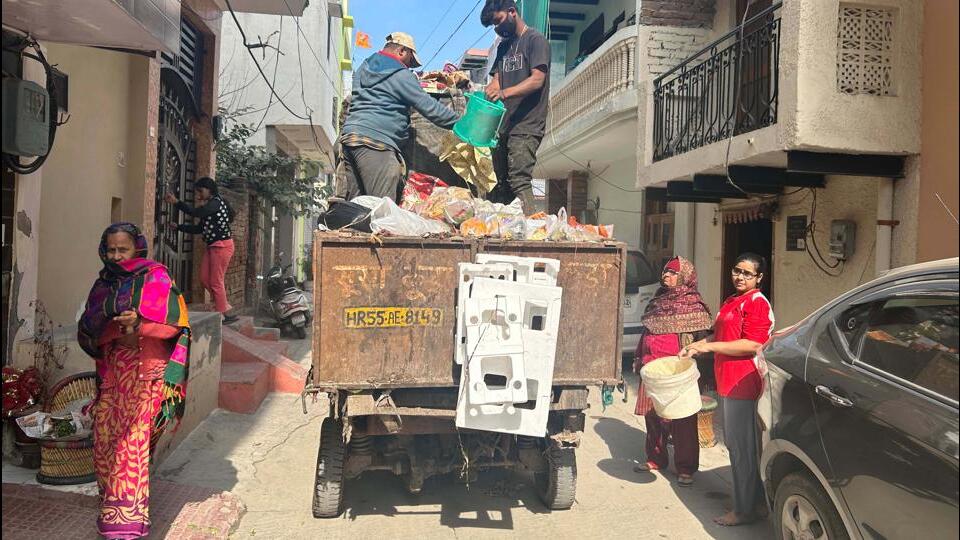
These rules cover every aspect of waste management and establish a code of conduct for individuals and bulk waste generators, officials said.
Gurugram is currently facing a significant waste management challenge, with over 2,200 metric tonnes of waste being generated daily. This large amount of waste poses a challenge for the city’s authorities, who are struggling to effectively manage and dispose of the garbage. MCG, along with various stakeholders, is working tirelessly to find innovative and long-term solutions to tackle the waste management crisis and ensure a cleaner and healthier environment for the residents. However, addressing this issue requires concerted efforts from both the authorities and the community to effectively manage waste and minimise its adverse impact on the city and its surroundings, officials said.
Naresh Kumar, joint commissioner of MCG, said that this is the first time that the civic body has successfully drafted the sanitation bylaws, and now the city will have its own rules and regulations that will improve the sanitation condition. “The regulations that we abide by are outlined in the Solid Waste Management Rules of 2016. These rules grant each civic body the authority to develop tailored regulations to guarantee efficient waste management. After conducting an extensive analysis of Gurugram’s waste production patterns, we have initiated the creation of these regulations, which are designed to streamline waste management processes. We welcome inputs and suggestions from the RWAs and residents, and those will be integrated into the regulations before the formal enactment,” he added.
The proposed regulations highlight the importance of segregating waste into seven distinct categories directly at the point of origin. These categories encompass biodegradable (wet) waste, non-biodegradable (dry) waste, sanitary and medical waste, domestic hazardous waste, construction and demolition waste, electrical and electronic waste, and bulk garden and horticulture waste. It will be mandatory for all waste generators to store these materials in designated bins, each coded for a specific waste type. Source segregation has posed a significant challenge for MCG, with only 28 per cent of waste currently being sorted at its origin.
Kumar said the proposed regulations define any establishment spanning over an area of 5,000 square metre or generating 50 kg of waste per day as a bulk waste generator. “This category encompasses residential communities, shopping malls, commercial centres, restaurants, schools, hotels, hostels, temples and similar entities. In addition to segregating and arranging for the collection of segregated waste, these bulk waste generators will also bear the responsibility of recycling and processing waste on-site,” he said.
The draft rules specify norms for transportation and processing of waste.
MCG commissioner Narahari Singh Banger said that the bylaws will hold each resident accountable for the waste they generate. “The regulations have been developed based on the fundamental principle of ‘my waste, my responsibility.’ Although we had existing guidelines under the Solid Waste Management 2016, there was a necessity for a more precise set of regulations. Given that Gurugram is a diverse city with unique challenges and requirements, it warrants a customised waste management strategy.
Following extensive research, we have devised these regulations and are now seeking inputs from the public. We are confident that these bylaws will address the waste challenges faced by the city,” he said.
Officials said MCG will establish a public grievance redressal system by setting up a call centre at its headquarters. This system may incorporate SMS-based service, a mobile application or web-based services.


