
 E-Paper



Gurugram residents aggrieved over solid waste mismanagement
Residents demanded that the waste concessionaire agreement for solid waste management be amended or terminated to comply with Solid Waste Management Rules 2016

 Prefer HTon Google


A civil society group and hundreds of residents and RWAs have written to the Haryana government and the MCG demanding that the Waste Concessionaire agreement for solid waste management in the city ,be amended or terminated to comply with Solid Waste Management Rules 2016.
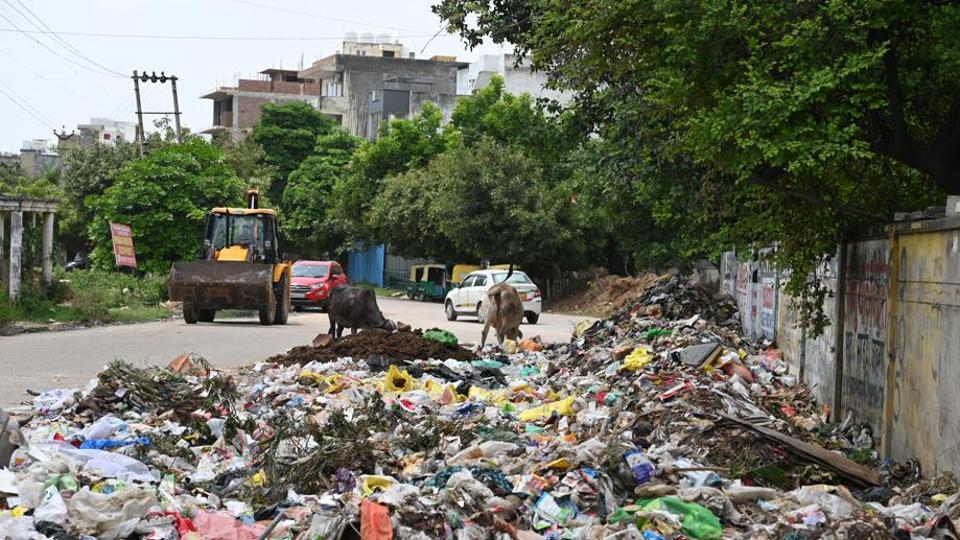
The emphasis in Gurgaon should be shifted from indiscriminate dumping and burning to a decentralised model i.e. source segregation, composting and bio methanization of wet/horticulture waste, recycling of dry waste and finally supported by strong waste minimization/prevention policies to ensure cleaner healthier environment and sound civic conditions for all citizens of Gurugram.
City based environmentalist said that the city is continually facing serious solid waste management crisis severely affecting citizens’ health and city’s overall civic condition. “Garbage is piled up in the open and often burnt almost all over the city. The problem is further aggravated by frequent strike by sanitation workers and transporters. Lack of a proper system of waste segregation, collection and proper disposal in compliance with SWM Rules 2016 has been a major drawback which citizens have repeatedly reminded the government but it has not been addressed,” said Ruchika Sethi Takkar, founder member of ‘Why Waste Your Waste’, a civil society movement for a zero-waste city.
The waste collection and transportation and the tipping Fee model as per the concessionaire agreement is the primary cause of the crisis which is happening repeatedly, said the residents.
Gurugram’s waste management practice is in contravention of spirit and form of SWM Rules 2016.
“ This will shift the emphasis of waste management in Gurugram from indiscriminate dumping and burning to a decentralised model i.e. source segregation, composting and bio methanisation of wet/horticulture waste, recycling of dry waste and finally supported by waste minimization/prevention policies to ensure cleaner healthier environment and sound civic conditions,” said Takkar.
“Present crisis of solid waste management in Gurugram is the result of years of non-implementation of SWM Rules 2016.It is no surprise that we have been witnessing garbage piled up all over the city & is being burnt frequently, very often in the close vicinity of our residential areas causing severe air pollution & repeated health issues. Further due to unregulated dumping of waste on roadsides, empty plots, greenbelts drainage in several parts of the city are found regularly blocked,” said Parimal Chandra social sector expert and a resident DLF Phase 1.
The representation outlines the concerns about the solid waste management issues that Gurugram has been facing for several years on a day-to-day basis that severely affect the quality of civic conditions in the city. Second part of the representation presents a way forward for sustainable waste management based on a Municipal Ward Resource Recovery Policy.
“To stop repeating such crisis which has been happening almost every year, we urge MCG to enfirce strictly SWM Rules 2016 which mandates to implement source segregation, in situ management by Bulk Waste Generators(BWGs) by empaneling agencies, setting up MRFs at zone/ward level which will drastically reduce quantity of waste (less than 15%) to landfill and maximize resources recovery,” said Shona Chatterjee, a resident and member of the volunteer team at Silver Oaks.
MCG joint commissioner Naresh Kumar said civic body said that they have received many complaints from different areas and the civic body is planning to bring some changes on the ground. “The situation will get better as we have deployed teams and we are ensuring enforcement across the city. Private players are being penalised,” he said.


