
 E-Paper



Social media fuels fake liquor sales across Gurugram
fake liquor are often laced with methanol, says experts, which poses severe and irreversible health risks

 Prefer HTon Google


Despite efforts by the excise department and local police to curb illicit liquor sales, bootleggers in Gurugram are capitalising on the Diwali festive season by selling adulterated alcohol online. Vendors are using social media platforms like WhatsApp, Instagram, and Facebook to promote “exclusive” liquor deals at heavily discounted prices, excise department officials said. Imported foreign liquors such as Glenfiddich 15, Glenmorangie 15, and Chivas Regal 18, which typically retail for around ₹6,000 and ₹5,000, are being offered for ₹4,000 and ₹3,000, respectively, they added.
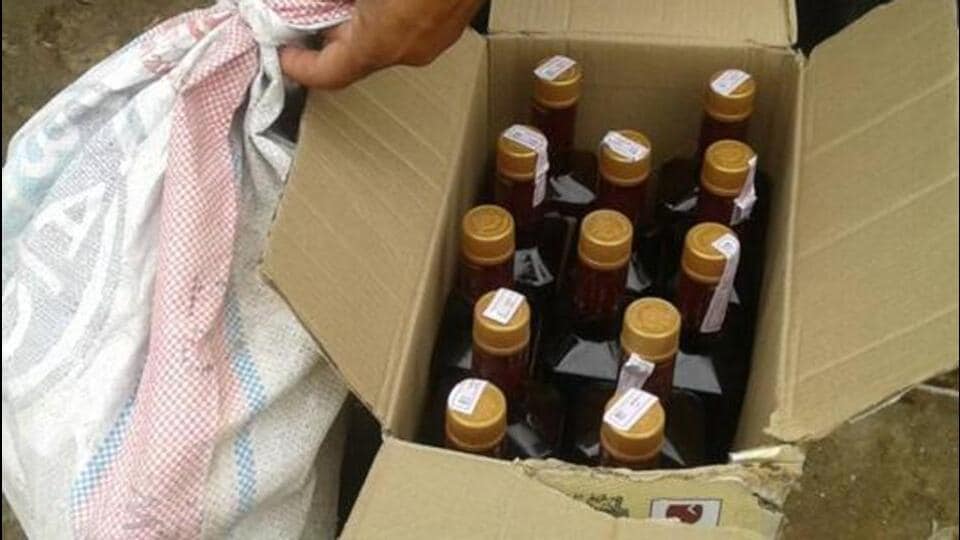
Driven by the convenience of online ordering and steep discounts, unsuspecting consumers are drawn into purchasing from these unauthorised vendors, only to receive low-quality or counterfeit products, excise department officials said. “The liquor supplied illegally is often adulterated, posing a severe risk to health and life. In many cases, consumers are duped into buying substandard products,” Jitender Dudi, Deputy excise and taxation commissioner (Gurugram West), added. He further urged consumers to resist these tempting offers and advised them to purchase liquor only from licensed vendors to ensure authenticity.
Rise of social media bootlegging
Bootleggers are taking advantage of social media’s convenience and anonymity, creating groups and profiles that blend in with legitimate online activities. Advertisements regularly appear, promoting door-to-door delivery and discounts for bulk orders. Transactions are often disguised as “gift packages” to avoid suspicion and evade authorities, saidexcise department officials.
“While we have increased surveillance and removed several accounts, new ones keep appearing. Bootleggers are becoming more tech-savvy, using social media to circumvent traditional control mechanisms,” Dudi said. He said that the excise department has collaborated with law enforcement agencies to monitor these digital channels actively, although the scale and anonymity of social media make complete control challenging.
In response to crackdowns, bootleggers argue that they are simply meeting consumer demand and working around high liquor prices. One supplier operating through a WhatsApp group, on the condition of anonymity, said, “We source our stock directly from warehouses, which lets us keep the costs down and sell at attractive rates. Yes, we earn a smaller margin, but the volume of orders keeps our business profitable.” Another bootlegger said, “With official stores selling liquor at such high prices, we’re providing a service for people who want premium brands without the markup. We are not doing anything wrong; we are just bypassing the big retailers.”
Crackdown and challenges
To counter the illicit trade, excise officials have increased monitoring efforts, especially ahead of Diwali. These include setting up checkpoints, conducting surprise inspections at distribution centres, and closely scrutinising online activity. Several arrests have already been made, with authorities seizing liquor and vehicles used in transport, said officials.
In addition to legal action, officials are working with social media companies to remove flagged accounts and posts. Authorities are also encouraging citizens to report suspicious online liquor sales, though identifying bootleggers remains challenging due to the temporary nature of these accounts.
“With Diwali approaching, we are intensifying efforts to combat illegal liquor trade through checkpoints and inspections, resulting in several arrests and seizures of illicit alcohol. Several arrests have already been made, and authorities have seized liquor and vehicles involved in its transport. We are keeping a close watch on sale of liquor at the authorised vends and transportation of liquor,” said Karan Goel, deputy commissioner of police (west).
The excise department has issued at least eight notices to local liquor vendors and “ahatas” (bars attached to liquor stores), enforcing stricter compliance measures to prevent unauthorised sales. Dudi acknowledged that public vigilance is crucial, stating, “Ultimately, the success of these measures also depends on consumers making informed choices. Discounted prices may be enticing, but the risks to health and life far outweigh any savings.”
Health and safety concerns
Experts warn that bootlegged alcohol, often adulterated with harmful chemicals or diluted with inferior spirits, poses severe health risks. Cases of poisoning and fatalities have been reported from consuming adulterated liquor, yet many consumers remain enticed by the low prices, unaware of the dangers, Dudi said.
Excise officials have issued multiple advisories urging the public to refrain from purchasing alcohol online from unauthorised sources. “We advise people to buy liquor only from licensed vendors. Adulterated alcohol sold through illegal means is a health hazard, and in the end, people are paying with their safety for short-term savings,” he added.
Dr Sanjay Goja, program director at Narayana Hospital, warned that bootlegged alcohol poses severe health risks due to toxic chemicals like methanol, which can cause significant organ damage and even fatalities.
”Bootlegged alcohol is a serious health risk and can cause severe organ damage, particularly to the liver, kidneys, and nervous system. Even small amounts can lead to poisoning or fatalities.”
Meanwhile, Dr Charu Dutt Arora, consultant physician at Asian Hospital, said that bootlegged alcohol can lead to poisoning and irreversible health issues. The most common contaminant is methanol, which can lead to blindness, brain issues, neurological problems, seizures, and even respiratory problems. I know the cheap prices can allure a lot of people, but it should never outweigh the risk of irreversible harm to the human body.”


