
 E-Paper



200+ ‘unsafe’ properties flagged in Lucknow, but who will take action?
LMC issued notices to owners of these properties, directing them to undertake repairs; but the civic body’s intervention largely ends with issuing notices, leaving enforcement of structural safety measures to other authorities

 Prefer HTon Google


LUCKNOW The collapse of a paying guest (PG) accommodation in Delhi that killed around seven people and injured several others has put the spotlight on buildings at risk in other cities. In Lucknow, more than 200 properties across the municipal corporation’s eight zones have already been flagged for cracks, structural deterioration and other conditions requiring urgent repairs, but the civic body says it lacks the authority to seal or demolish such buildings.
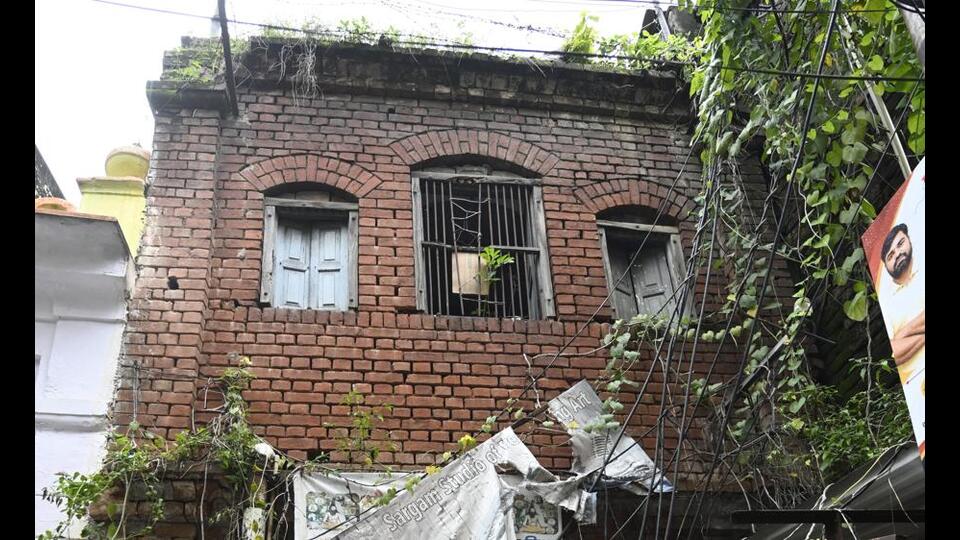
The Lucknow Municipal Corporation (LMC) has issued notices to the owners of these properties, directing them to undertake repairs or take necessary action. However, the civic body’s intervention largely ends with issuing notices, leaving the enforcement of structural safety measures to other authorities.
LMC chief engineer (civil) Mahesh Verma said the corporation identifies buildings with cracks and other concerns during inspections and serves notices to their owners.
“LMC issues notices to property owners for urgent repairs or necessary action. However, there is no major action such as sealing of the property on such issues,” he said.
He added that the LMC sends copies of such notices to the Lucknow Development Authority (LDA), which has powers to take further action against buildings in cases requiring enforcement.
The development assumes significance as several old neighbourhoods in Lucknow continue to have ageing buildings that house commercial establishments, paying guests, hotels and other accommodation facilities.
A ground visit by HT to areas including Narhi, Lalbagh, Aminabad and Nazirabad found several ageing structures showing visible signs of deterioration. In some buildings, portions of plaster had peeled off, while vegetation and trees had grown from parts of the structures. Many of these buildings were constructed decades ago but continue to support commercial activities.
During the visit in Narhi, a structure where a tree had grown on the terrace area was housing an accommodation for students.
The issue exposes a gap between identifying a potentially unsafe building and ensuring that corrective action actually takes place.
While the LMC can inspect properties and alert owners, the corporation says it cannot independently undertake major enforcement measures such as sealing or demolition merely on the basis of the structural concerns it identifies.
The LDA, meanwhile, has powers to act against unauthorised constructions and take enforcement measures. This division of responsibilities raises questions over who ensures that owners comply after receiving civic notices and how quickly authorities intervene when a building continues to remain occupied despite safety concerns.
For Lucknow, the immediate concern is not the identification of vulnerable properties but the fate of the more than 200 buildings already flagged by the LMC.


