
 E-Paper



AIMPLB, other Muslim outfits condemn UP, MP actions against madrasas
The release signed by president of AIMPLB Khalid Saifullah Rehmani, vice president and president of Jamiat Ulema E Hind Sayyed Mahmood Asad Madani and others said that the UP chief secretary had initiated a survey of madrasas and instructed district officials to transfer students from unapproved madrasas to government schools. A list of 8,449 madrasas was published in UP, including prominent institutions such as Darul Uloom Deoband, Darul Uloom Nadwatul Ulama and Jamia Ashrafia etc . District magistrates were reportedly pressuring these madrasas to shift their students to government schools, a move deemed illegal and incorrect by AIMPLB.

 Prefer HTon Google


Lucknow The All India Muslim Personal Law Board (AIMPLB) and other religious and social organisations of Muslims have strongly condemned what they call actions targeting madrasas in Uttar Pradesh, Madhya Pradesh, and other states. A press release signed by key officials of these organisations asserted that directives from the National Commission for Protection of Child Rights (NCPCR) regarding madrasas were incorrect and illegal and exceeded the commission’s authority.
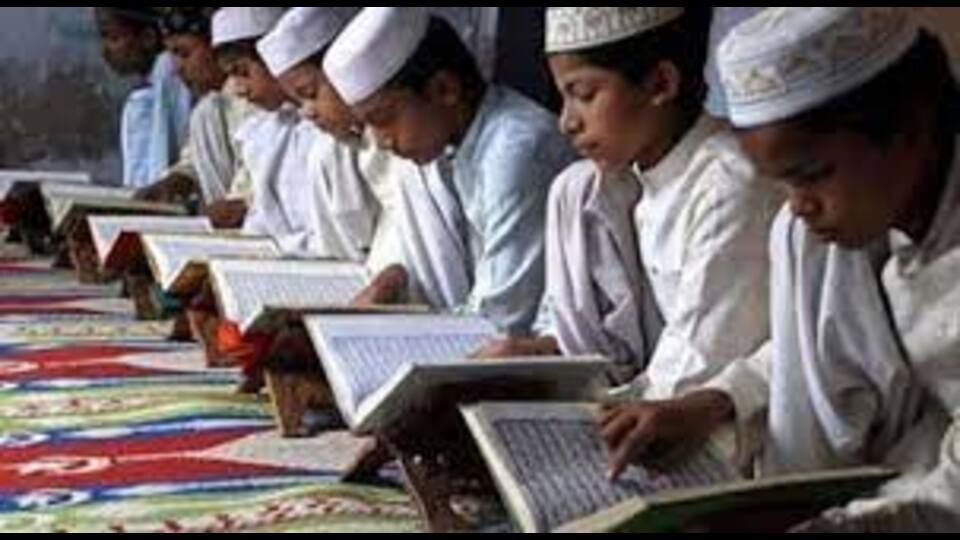
The release signed by president of AIMPLB Khalid Saifullah Rehmani, vice president and president of Jamiat Ulema E Hind Sayyed Mahmood Asad Madani , Asgar Ali Imam Mahadi of Ameer Jamiat Ahal E Hadees, Mohammad Fazallur Mujahiddi, general secretary AIMPLB etc said that the Uttar Pradesh chief secretary had initiated a survey of madrasas and instructed district officials to transfer students from unapproved madrasas to government schools. A list of 8,449 madrasas was published in UP, including prominent institutions such as Darul Uloom Deoband, Darul Uloom Nadwatul Ulama and Jamia Ashrafia, among others. District magistrates were reportedly pressuring these madrasas to shift their students to government schools, a move deemed illegal and incorrect by AIMPLB.
The AIMPLB’s press release claimed that the district administration had already expelled non-Muslim students from these madrasas, transferring them to government schools, which violated personal rights. Additionally, there was pressure on Muslim students to receive basic education under the Right to Education (RTE) Act, with threats of action against madrasa administrations that did not comply.
The press release said that in Madhya Pradesh, the situation was reportedly more severe, with authorities allegedly forcing madrasa students to recite Saraswati Vandana daily, a practice AIMPLB found objectionable.
The release emphasized that under Article 30(1) of the Indian Constitution, minorities had the right to establish and administer their educational institutions. The RTE Act also provided exemptions for madrasas, which offered free education along with board and lodging to millions of children. These institutions were described as vital for the educational development of the Muslim community, which was often viewed as educationally disadvantaged.
The press release highlighted the contributions of madrasas and their students in the country’s independence and also in post independence development. It warned that the actions of the state could disrupt the longstanding educational system of madrasas, causing significant educational setbacks for many children and imposing undue psychological stress.
The AIMPLB has demanded that the state administrations cease these “illegal, unethical, and tyrannical” measures and avoid jeopardizing children’s futures. It expressed the intent to explore all possible legal and democratic avenues to counter the state governments’ anti-minority policies.


