E-Paper



Brakes on Uttar Pradesh’s rural bus service scheme for now
According to officials, the immediate implication of the HC order is that the existing fleet of around 250 buses can continue to operate under present status quo, but further expansion of the scheme will remain stalled until the court decides the matter or govt relaunches scheme addressing legal concerns raised in court

 Prefer HTon Google


LUCKNOW The UP government’s much publicised Mukhyamantri Gramin Parivahan Yojana-2026 aimed at taking organised public transport to all around 59,000 village panchayats across the state has hit a legal roadblock with the Allahabad high court ordering status quo on implementation of the scheme.
Transport minister (independent charge) Daya Shankar Singh acknowledged that the service had encountered legal hurdles, but said the government was defending it before the court.
“Some legal hurdles have come in the way of the new scheme. The government is putting forward its legal side to defend the scheme during hearings in the court,” Singh said.
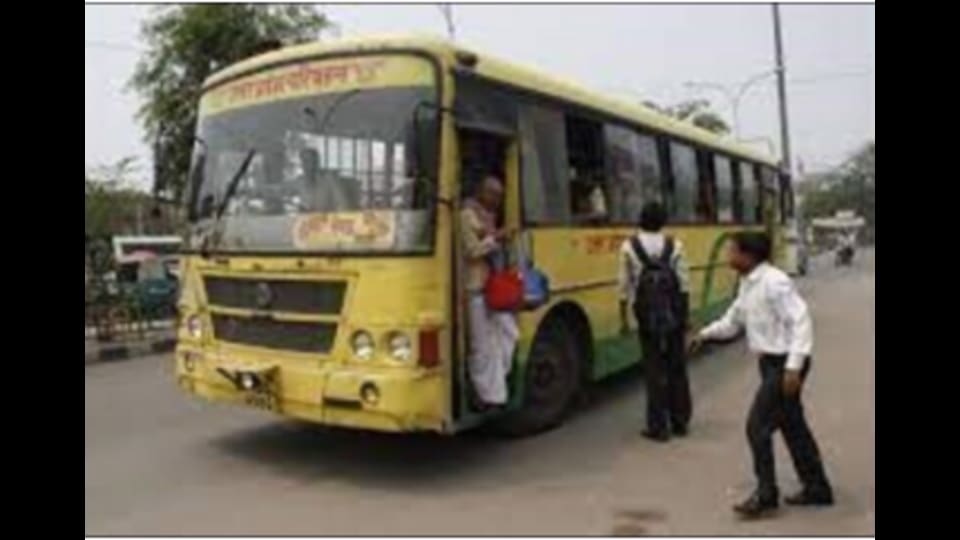
Announced in March, the service was in line with the BJP’s Sankalp Patra (manifesto) released before 2022 Assembly polls. Under the scheme, mini buses of up to 28 seats operate on routes connecting villages with block, tehsil and district headquarters.
Around 250 such buses were already plying. The UP State Road Transport Corporation (UPSRTC) had initially shortlisted over 850 applications received from private operators and was in the process of expanding the service when the court order came first in May and then on August 31.
The legal challenge to the scheme has been made by a bus operator holding a valid permit. He contended that the scheme had not been framed in accordance with the procedure prescribed under Section 99 of the Motor Vehicles Act, 1988.
The petitioner argued that the state failed to follow the procedure under Chapter VI of the Act, including publication of the proposed scheme in the official gazette and newspapers.
The dispute took a fresh turn after an assistant regional manager issued a July 25 communication granting permission to an operator in Muzaffarnagar to operate a CNG bus under the scheme. The petitioner complained that the permission would encroach upon his permitted/designated route and was contrary to an assurance earlier given by the state to the court.
In its August order, the court observed that the July 25 communication constituted “clear permission” under the scheme, which itself was under challenge and directed that status quo be maintained with regard to the implementation of the scheme.
The legal challenge has come at a time when the UPSRTC, through which the scheme is being implemented, has itself found shortcomings in the existing model of private bus operation.
A senior UPSRTC official said private operators were not necessarily fulfilling the scheme’s objective of connecting villages because they tend to operate on routes and terms that helped minimise losses or maximise profits.
“Most of these mini buses deployed for the specific purpose are not connecting villages by bypassing mandatory night halts at villages only to avoid possible losses,” the official said. These operators, the official added, were also not always honouring passes or free travel facilities extended to eligible categories of passengers, making it difficult to achieve the broader public service objective of the scheme.
Officials said procurement itself had emerged as a major issue because of the specified design and technical requirements prescribed for the mini buses.
According to officials, the immediate implication of the high court’s order is that the existing fleet of around 250 buses can continue to operate under the present status quo, but further expansion of the scheme will remain stalled until the court decides the matter or government relaunches the scheme addressing legal concerns raised in the court.