
 E-Paper



ECI orders transfer of UP officers posted in home districts or same district for 3 years
In previous assembly or Lok Sabha elections, district magistrates and superintendents of police were usually transferred. However, the latest directive covers a wider range of administrative and election-related officials, including divisional commissioners, district election officers (DEOs), electoral registration officers (EROs), additional district magistrates (ADMs), sub-divisional magistrates (SDMs), tehsildars, block development officers, municipal commissioners and officers posted in development authorities.

 Prefer HTon Google


The Election Commission of India (ECI) on Tuesday directed the Uttar Pradesh government to transfer officers associated with election-related work who are posted in their home districts or have served in the same district for three years or more, ahead of the 2027 assembly elections.
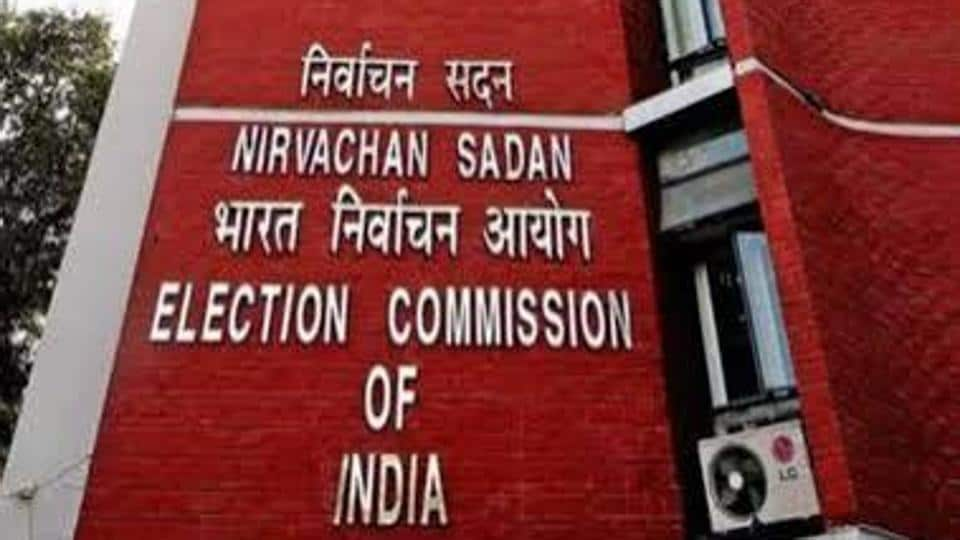
In previous assembly or Lok Sabha elections, district magistrates and superintendents of police were usually transferred. However, the latest directive covers a wider range of administrative and election-related officials, including divisional commissioners, district election officers (DEOs), electoral registration officers (EROs), additional district magistrates (ADMs), sub-divisional magistrates (SDMs), tehsildars, block development officers, municipal commissioners and officers posted in development authorities.
Uttar Pradesh chief electoral officer (CEO) Navdeep Rinwa said that the ECI had issued guidelines regarding the transfer and deployment of officials directly involved in election-related work. The Commission has directed strict compliance with these guidelines to ensure fairness, transparency, and impartial role of administrative machinery in the election process, he said.
The ECI’s order is likely to set in motion the transfer of officers who fall under the prescribed criteria. In an earlier order dated October 21, the commission had directed the state government to transfer such officers only after obtaining its permission, in view of the Special Summary Revision (SSR) of electoral rolls for assembly constituencies in Uttar Pradesh, which begins on November 12.
On Tuesday, the ECI made a separate provision for personnel involved in the ongoing SSR of electoral rolls. Their transfer will take place only after the final publication of the electoral rolls on January 4 and in consultation with the chief electoral officer.
In a letter to the Uttar Pradesh chief secretary and chief electoral officer on Tuesday, the ECI stated that officers covered by the directive would not be allowed to continue in their present districts if they met the transfer criteria. The cut-off date for calculating the three-year tenure has been set as May 31, 2027, for Uttar Pradesh.
The ECI also clarified that promotions to posts within the same district would be counted while calculating the three-year tenure. However, service at the state headquarters during the past four years would not be included in the calculation, even if the headquarters falls within the same revenue district.
The Commission has instructed the state government to ensure that transferred officers are not posted in their home districts. District election officers (DEOs), returning officers (ROs), assistant returning officers (AROs) and other designated officials cannot be posted back to the constituency or district where they served during the previous assembly election or any by-election held since then.
In the police department, the order applies to officers from the rank of sub-inspector up to additional director general of police (ADG) at the range level, inspector general (IG), commissioner of police and senior superintendent of police (SSP). It also applies to officers above the rank of sub-inspector in the state excise department and to regional transport officers (RTOs), assistant regional transport officers (ARTOs), district transport officers (DTOs) and assistant district transport officers (ADTOs) in the state transport department.
Officers against whom the ECI had recommended disciplinary action in the past, which is either pending or has resulted in a penalty, will not be assigned election duty. Officers facing criminal cases related to their official functioning that are pending in court will also not be associated with election duty.
Officers associated with election work will be required to submit a declaration within two days of the last date for filing nominations, stating that they are not close relatives of any contesting candidate.
The chief secretary and the director general of police (DGP) have been directed to submit compliance reports to the commission by November 30.


