E-Paper



End of the road?: UP commercial tax dept orders review of its mobile squads’ utility
Move follows long-standing complaints from traders, officials alike that routine road interceptions often lead to harassment without commensurate revenue gains

 Prefer HTon Google


Is it the end of the road for the state commercial tax department’s enforcement mobile squads in Uttar Pradesh much like the border check posts-long seen as centres of corruption were abolished in the state two decades ago?
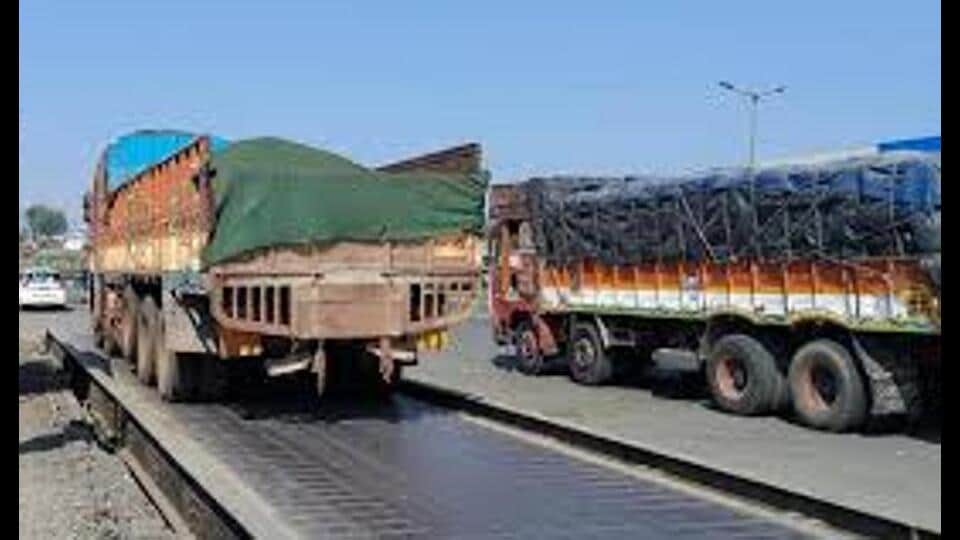
Nearly four years after serious questions were raised over the relevance and conduct of mobile squads, the units that are often considered a lucrative place of posting are once again under scrutiny with the department initiating a review of their operations related to road checking of vehicles carrying traders’ goods.
The state tax department has asked senior field officers to assess the effectiveness and utility of vehicle checks carried out by mobile enforcement units and suggest improvements through a more targeted, intelligence-driven system.
The move follows long-standing complaints from traders and officials alike that routine road interceptions often lead to harassment without commensurate revenue gains.
In an official communication issued on January 5, the office of the commissioner, state tax, directed all additional commissioners (Grade-2) to undertake a detailed analysis of road-checking activities conducted under the Uttar Pradesh Goods and Services Tax Act, 2017.
Officers have been asked to evaluate outcomes, efficiency and practical utility of mobile squad operations. The directive also seeks concrete suggestions for strengthening enforcement through an Intelligence-Based Monitoring and Enforcement System, aimed at replacing routine or random vehicle stoppages with data-driven and risk-based checks.
All recommendations have been sought within three working days, underlining the urgency of the exercise. The latest move revives a debate that gained momentum several years ago, when the state government had considered abolishing the mobile squad system altogether. At the time, senior officials had argued that mobile squads introduced in 1970 to curb tax evasion had lost much of their relevance after the rollout of GST and the e-way bill mechanism.
A detailed report submitted earlier by Chandra Bhushan Singh, the then additional commissioner (commercial tax), Gautam Budh Nagar zone, had strongly recommended disbanding mobile squads and merging them with the department’s Special Investigation Branch (SIB), which is mandated to collect intelligence on tax evasion. Singh had pointed out that mobile squads functioned arbitrarily, intercepting vehicles without specific inputs, leading to allegations of harassment and extortion.
According to the report, 150 mobile squads comprising as many assistant commissioners, 300 commercial tax officers and 150 vehicles had inspected over 6.11 lakh vehicles over three years, but only around six per cent were found to be at fault. The low detection rate, coupled with a high number of complaints from traders, had raised serious questions about the cost-effectiveness and credibility of the system.
“The existing mechanism is based on prejudice, where almost every vehicle is stopped without valid reasons, wasting time and increasing the scope for corruption,” the report had said, noting that maximum complaints of extortion were against mobile squads.
Government officials had then drawn parallels with the abolition of border check posts during the Mulayam Singh Yadav government around two decades ago—a move that, despite initial apprehensions, did not adversely impact revenue collection.
While the mobile squad system continues to operate, the latest directive indicates that the state tax department may now be moving either towards abolition of these squads too or at least reforming them radically.
Former president of UP Commercial Tax Officers’ Association, Sunil Kumar Verma, said that in a meeting with the additional chief secretary, commercial tax, in February 2021, he had raised the demand for abolition of the mobile squad as they acted only as carrier of corruption and extortion tarnishing image of the government while contributing little in tax revenue.
“It is only after this meeting that the government then initiated steps for their reforms/abolition,” Verma said. It is believed that inputs to be submitted by field officers will form the basis of a broader policy decision on the future role, structure and functioning of mobile enforcement units in Uttar Pradesh.