
 E-Paper



Mayawati terms UPI fee ‘capitalist profiteering attitude’
The move will ultimately cut into the pockets of the common people, increasing their expenses, says Bahujan Samaj Party chief

 Prefer HTon Google


A meeting of the Bahujan Samaj Party (BSP) all India committee will be held under party chief Mayawati in Lucknow on September 23. The meeting is significant as the BSP chief may announce changes in the party organisation after expelling her nephew Akash Anand from the party and removing his younger brother Ishan Anand from the post of the chief sector coordinator of the 19 states in which party organisation is active.
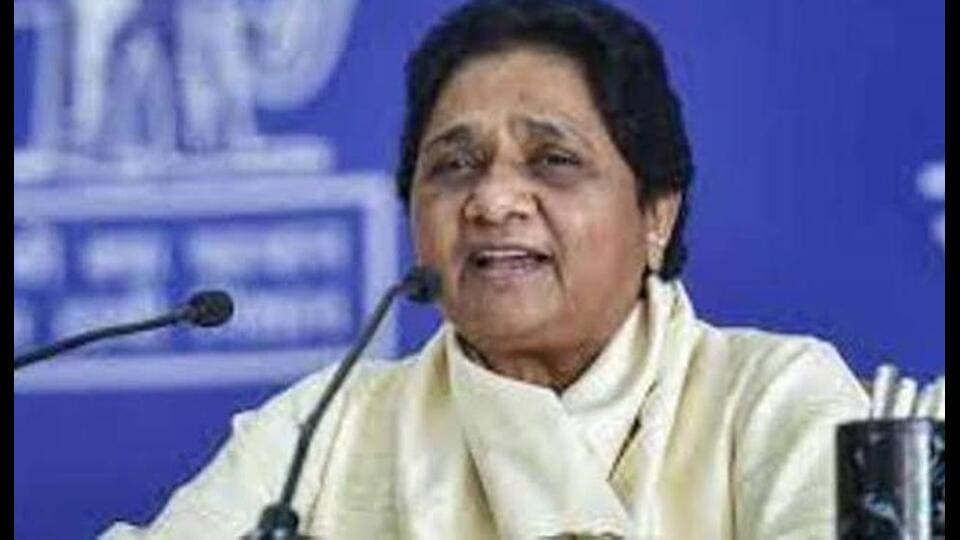
She is also likely to announce the party’s strategy for the upcoming assembly polls in Uttar Pradesh, Uttarakhand and Punjab. Earlier, the party’s all India committee meeting was held on September 3 in which Mayawati had announced that the BSP will go solo in the assembly election in the three states.
Meanwhile, the BSP chief attacked the Centre’s move to introduce a 0.4% fee on Unified Payment Interface (UPI) merchant transfers worth more than ₹2,000 from October 15.
In a post on X, she wrote, “After vigorously promoting UPI digital transactions initially, the government’s new arrangement to now levy fees on those transactions appears, at first glance, to the public as a capitalist profiteering attitude involving tax extraction from the people with both hands, which naturally causes unease and outrage among the public.”
“The public is unwilling to accept this arrangement of imposing an additional financial burden as a ‘tax’. Whatever name is given to this system set to take effect from October 15, it will ultimately cut into the pockets of the common people, increasing their expenses,” Mayawati claimed.
“Moreover, it is well known that the vast majority of the country’s population is tormented by extreme poverty, rampant inflation, and the like, and their children are afflicted by illiteracy, unemployment, disorder, and so on. In such circumstances, it would be appropriate for the government’s policies and action plans to prioritise welfare over commercial profit-making. If the government does not concern itself with the public’s hardships and sufferings, then who will?,” she said.
Reacting to the UP government move to convert around 14,500 schools in the state into ‘smart schools’ at a cost of about ₹300 crore, she said: “It is a positive step, but before providing children with so-called ‘smart education,’ their basic needs—such as a roof over their heads in school, benches, chairs, books, toilets, playgrounds, cleanliness, and the like—must be properly arranged. And whether all this can be achieved for around ₹2 lakh per school is something the government should certainly consider sympathetically.”


