
 E-Paper



Multi-layer monitoring in place to check fuel diversion to Nepal
Officials from public sector oil companies, including Indian Oil Corporation and Bharat Petroleum, said coordinated surveillance is now being carried out at multiple levels to detect and prevent suspicious fuel transactions.

 Prefer HTon Google


Amid concerns over fuel diversion along the Indo-Nepal border, authorities have deployed a stringent three-layer monitoring system to curb the smuggling of petrol from Uttar Pradesh into Nepal, where prices are higher.
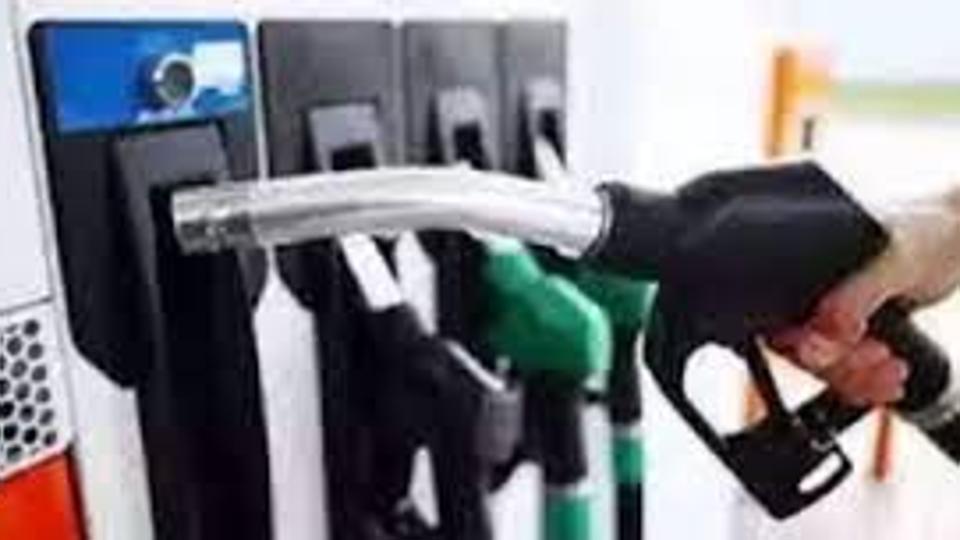
Officials from public sector oil companies, including Indian Oil Corporation and Bharat Petroleum, said coordinated surveillance is now being carried out at multiple levels to detect and prevent suspicious fuel transactions.
According to authorities, the first layer of checks is at petrol pumps, where unusual refuelling patterns are under close watch. Vehicles making repeated refills within short intervals, particularly those returning within hours, are being flagged by automated systems and pump operators. Such patterns are seen as potential indicators of diversion for illegal resale across the border. Officials said fuel supply to flagged vehicles would be restricted to normal consumption levels.
The second layer involves district administrations in border areas, which have been asked to maintain strict vigilance and coordinate with enforcement agencies. Officials are conducting surprise inspections at fuel stations and tracking bulk purchases. Vehicles frequently travelling into Nepal are also under scrutiny, with their refuelling patterns being monitored across multiple outlets.
The third and most critical layer is at the international border, where the Sashastra Seema Bal (SSB) has intensified surveillance. Personnel are monitoring vehicular movement along sensitive stretches and carrying out checks to prevent illegal transport of fuel into Nepal.
Officials said the price gap between India and Nepal has been a key driver of smuggling attempts. With fuel cheaper in India, there is a strong incentive for illegal cross-border trade, leading to revenue losses and supply distortions in border districts.
Technology and coordination
Sanjay Bhandari, executive director and state head of Indian Oil Corporation, said oil companies are increasingly relying on digital transaction data and analytics to identify suspicious behaviour. Fuel stations equipped with automated systems can track frequent refills, unusual consumption patterns and vehicle details in real time.
Officials said coordination between oil companies, district authorities and border forces has improved in recent months. “This is a joint effort. Each level feeds information into the other, creating a strong deterrent against smuggling,” an official said.
Authorities have warned of strict action against those involved in illegal fuel trade, including suspension of fuel station licences and legal proceedings against offenders.


