E-Paper



Nitin Nabin’s whirlwind Uttar Pradesh tour to follow Santhosh-Tawde meetings for reality check ahead of 2027 polls
While his programme is yet to be formally announced, party functionaries said the national president was likely to hold meetings with state and regional leaders as well as grassroots workers to take stock of the organisation and the political situation

 Prefer HTon Google


Bharatiya Janata Party national president Nitin Nabin is expected to undertake a whirlwind tour of the state, beginning with western Uttar Pradesh, possibly next week close on the heels of national general secretary (organisation) BL Santhosh and state in-charge Vinod Tawde concluding their two-day Lucknow visit on Saturday after a series of organisational meetings.
The back-to-back visits by the party’s top organisational leadership come as the BJP steps up preparations for the 2027 assembly elections and seeks to get a clear picture of its position on the ground through a combination of organisational certification, feedback from voters as well as workers and direct interaction with the cadre.
Nabin’s western UP tour is likely to be the first leg of the wider exercise under which he is expected to visit all six organisational regions of the party —Awadh, Kanpur-Bundelkhand, Braj, Paschim (west), Kashi and Goraksh regions — one by one.
While his programme is yet to be formally announced, party functionaries said the national president was likely to hold meetings with state and regional leaders as well as grassroots workers to take stock of the organisation and the political situation.
“Earleir, the national president was expected to begin his western UP tour from September 12 but that did not materialise. Now, we expect him to come any day this month only, of course after pre-announcement of the rescheduled programme,” said Ashok Katariya, a senior BJP leader from western UP and member of Legislative Council, over the phone.
The exercise, according to observers, assumes significance because the BJP is not relying merely on reports from its organisational units. Recently, it completed a statewide verification campaign to establish whether its grassroots machinery is active on the ground or exists only on paper.
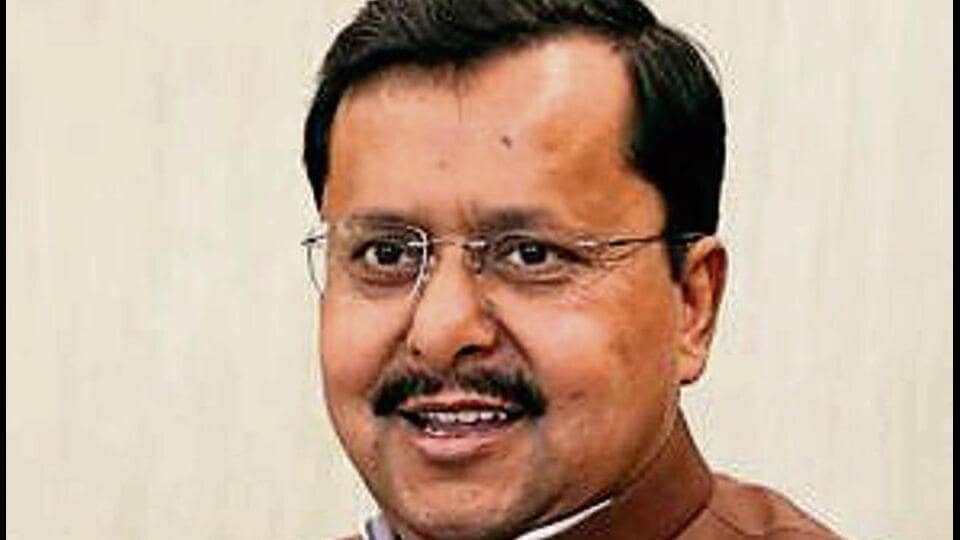
“We have verified 1.56 lakh of the total 1,77,516 booths and all 1,918 zonal executive committees. Most of the around 32,000 Shakti Kendras have also been verified,” BJP general secretary Deepak Patel, who headed the verification campaign, said.
The verification exercise also threw up some gaps in the party’s ground network. Patel said around 7-8% of office bearers were found to be either inactive or non-existent because of reasons such as death, migration and these positions have been filled by new functionaries.
“Now, the verification reports will be submitted to us through district presidents, enabling the party to make the next strategy,” he said.
The feedback exercise is not confined to the party organisation. Senior BJP office bearers have also begun travelling to districts, combining the task of highlighting the Modi and Yogi governments’ achievements and welfare schemes with collecting feedback from voters and local party workers.
“We maintain a diary where we note down the public feedback that we share with our state president and general secretary (organisation),” said a senior BJP leader currently touring an eastern UP district.
“The exercise could provide a fair idea of the party’s standing when it is conscious of the political risks associated with prolonged incumbency,” he added.
Another BJP leader currently in eastern UP said the concern was not merely about the voter sentiment after 10 years of incumbency but also about the state of morale of the cadre.
The feedback gathered through ‘pravas’, coupled with the booth-level verification, is expected to be discussed during Nabin’s meetings.
Meanwhile, the BJP is also gearing up for a fortnight-long outreach campaign beginning September 17, coinciding with the birthday of Prime Minister Narendra Modi. The ‘Seva Pakhwada’ campaign will be used as an opportunity before the polls to expand contact with people and showcase the good works of the Modi and Yogi governments while countering the Opposition’s narrative.