
 E-Paper



Private agency to take over health ATMs amid maintenance woes
Diagnostic rates to remain unchanged; operator can earn through advertisements and will share revenue with Lucknow Municipal Corporation

 Prefer HTon Google


LUCKNOW Facing persistent operational challenges and repeated complaints over non-functional health ATMs, the Lucknow Smart City project has decided to hand over the operation and maintenance of all such machines installed in the city to a private agency. The move aims to ensure regular functioning of the facilities while keeping diagnostic test charges unchanged for the public.
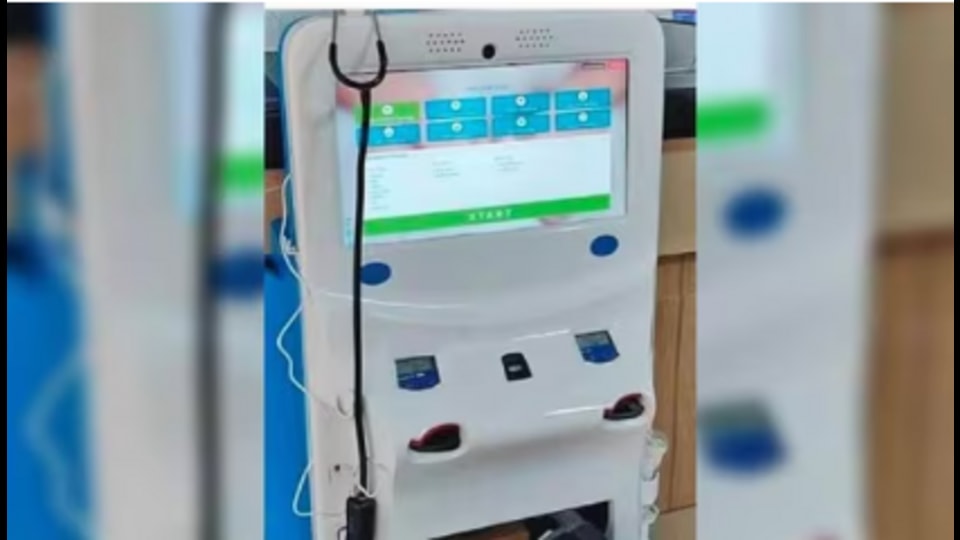
Health ATMs, installed under the Smart City project at public parks and other high-footfall locations, were earlier operated by officials of SGPGI. But as the Smart City project no longer has sufficient funds for their operation and maintenance, it floated a tender to appoint a private operator, said Gaurav Kumar, municipal commissioner and CEO of Lucknow Smart City projects.
Following the tender process, a private agency has been selected to manage all 100 health ATMs across the city. Kumar said one of the key conditions of the tender is that the agency cannot increase the rates of diagnostic tests. Residents will continue to avail the services at the existing prices.
The health ATMs consist of various health tests and wellness parameters including SpO2/Oxygen saturation, pulse rate, blood pressure, body fat along with others. These tests were being done at nominal rates.
Instead, the agency will be allowed to generate revenue through advertisements and other approved commercial activities. It will also share a fixed portion of its earnings with the Lucknow Municipal Corporation (LMC), creating a sustainable revenue-sharing model for the civic body.
The municipal commissioner said the agency can shift a health ATM to another location only after obtaining prior approval from the LMC. Any relocation must be to a public place with better accessibility and visibility to ensure higher public utilisation.
The decision follows repeated complaints about poorly maintained and non-functional health ATMs. Several kiosks were installed at isolated or less-frequented locations, limiting public awareness and resulting in low footfall.
Earlier, Hindustan Times, during its ground visits, found many health ATMs lying shut or remaining largely unused despite being established to provide accessible health screening services under the Smart City initiative. Residents had also flagged concerns over poor maintenance and the choice of locations for several kiosks.
Officials expect the private operator to improve maintenance, ensure uninterrupted services and increase the utilisation of health ATMs.


