
 E-Paper



Traditional Lko food: How fermentation moulded the city’s culinary practices
The event took a look at kitchen practices, and particularly fermentation as an old and ordinary practice rooted in Indian households

 Prefer HTon Google


How have traditional food practices shaped Lucknow’s food culture?
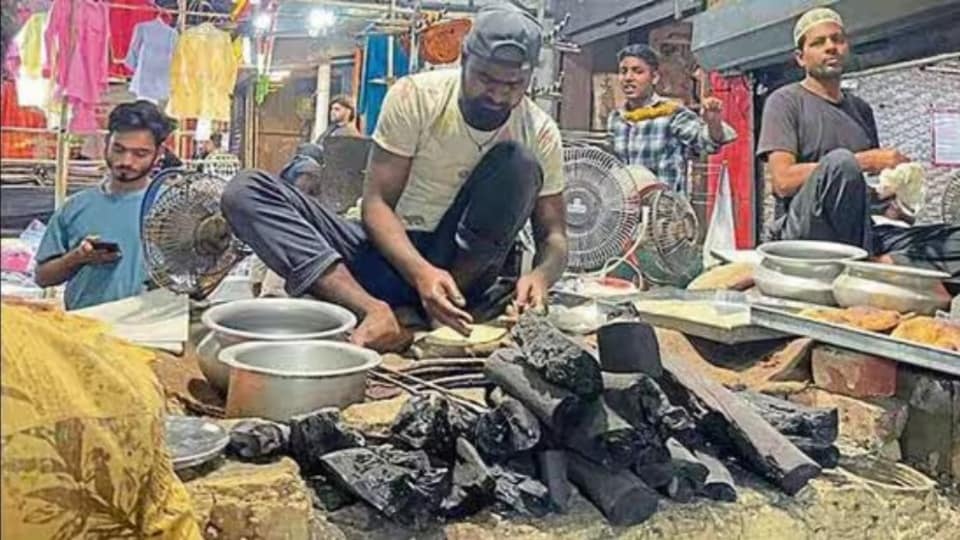
The question ran through Fermenty Cultures, a day-long gathering in Lucknow, tracing the city’s inherited kitchen wisdom from the Awadhi Dastarkhwan to present-day tables, bringing together home cooks, chefs, doctors, scientists and legacy kitchens.
Organised by The Supper House by Akanksha under the aegis of Desi Culture 2.0, the event took a look at kitchen practices, and particularly fermentation as an old and ordinary practice rooted in Indian households.
The day opened with “Muskuraiye, Aap Lucknow Mein Hain”, where Sheeba Iqbal of Naimatkhana and Sabiha Ansari of Humara Bawarchikhana reflected on the city’s culinary identity. Their conversation returned to the dastarkhwan and the everyday practices through which Lucknow has passed its food knowledge from one generation to the next.
This inheritance was explored most directly in the panel “Traditional Fermentation: Old Ways, Alive!”, where Tahira Saad Rizvi of Nawabeens (Awadh Ka Awadhi Zaiqa), Asma Alvi of Firdaus Awadhi Kitchen, Abhinav Khanna of Ritzz Continental Corner and Gandharv Chawla of LTR South Indian Tiffin Room, discussed heirloom recipes and regional fermentation practices.
Tahira Saad Rizvi spoke about khameer and khameeri roti and their place in Lucknow’s Dastarkhwan traditions.
The tradition of the achar received its own conversation in “Pickles of Change”, where Jayanti Singh of Jacaraanda in Arkha, in conversation with food blogger Tarannum Manjul, spoke about how the pickle has become a vehicle for women’s entrepreneurship and rural livelihoods while keeping traditional recipes alive.
Fermentation’s older, celebratory forms appeared in “Of Spice and Mead”, where Madhvendra Deo Singh of Meave by Mbrosia, based in Mal near Malihabad, and Chef Mohsin Qureshi explored mead (alcoholic beverage made by fermenting honey mixed with water) and its pairings.
BOX
Fermentation fact
Fermentation is a process where yeast and bacteria convert carbohydrates (like sugars and starches) into acids, gases, or alcohol in the absence of oxygen. This natural process acts as both a preservative and a way to enhance the flavor, texture, and nutritional profile of food.


