E-Paper



Goddess Kali and the darkness of Amavasya: Why Shakta and Tantric traditions associate this hour with Kali worship and spiritual introspection

 Prefer HTon Google


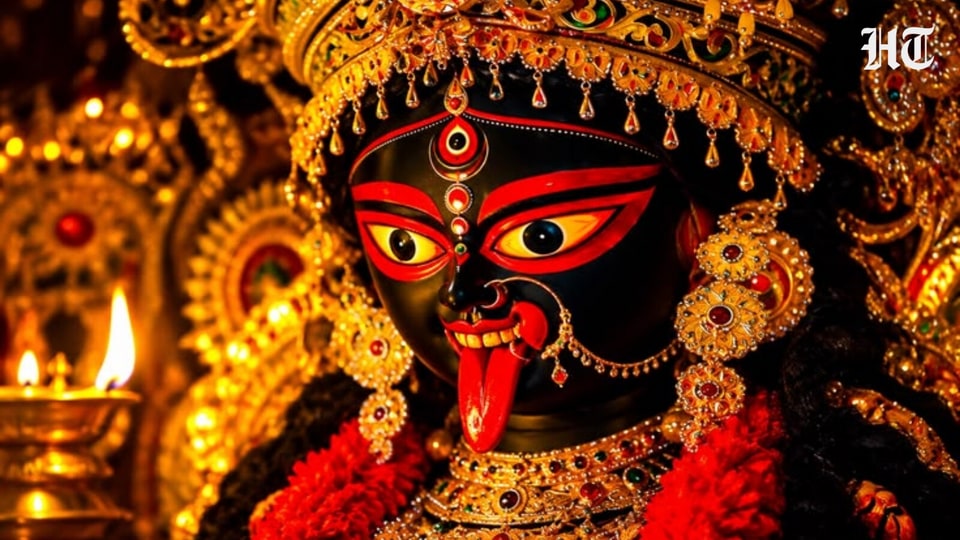
The association of Kali Puja with Amavasya is deeply rooted in Bengali mythology and Shakta traditions.
While darkness is often associated with fear and the unknown, Shaktism sees it differently. Amavasya, the night when the moon is not visible, represents the infinite, the unmanifest and the source of all creation. This is one of the reasons Amavasya is considered an auspicious night to worship Goddess Kali, who represents Shakti, time and cosmic energy.
Goddess Kali is often associated with destruction, but her significance goes beyond that. According to Batuk Mohanto, Darbar Head at Mohanto Kutir in Lucknow, she is also known as Boro Maa, the supreme mother who destroys ignorance, fear, ego and negative forces. Her dark complexion is believed to represent the infinite cosmic void, from which the universe emerges. She is also known as Mahakali, the presiding force of Kaal (time), reminding devotees that everything in creation is governed by time.
ALSO READ: Diwali Horoscope 2026: Financial predictions for all 12 zodiac signs
The association of Kali Puja with Amavasya is deeply rooted in Bengali mythology and Shakta traditions. According to Hindu scriptures and popular devotional beliefs, Goddess Kali appeared during a battle against demonic forces to restore balance in the universe. Her fierce form represents the victory of divine feminine power over evil. The moonless night of Amavasya is also seen as a reminder of the divine beyond what can be seen or understood in the material world.
Midnight holds special significance in Kali worship as well. With the outside world quieter, the hour is traditionally considered suitable for prayer and introspection. In Shakta and Tantric traditions, midnight is regarded as an important time to invoke Goddess Kali. Worshipping her at this hour is seen as an act of surrender, in which you let go of your fears, limitations and ego and seek the grace of the Divine Mother.
ALSO READ: Diwali and its many legends: The stories of Lord Rama, Goddess Lakshmi, Krishna and King Bali
At Mohanto Kutir in Lucknow, this tradition has continued through more than 108 years of Maha Kali Puja. One of the city's oldest Maa Tara temples, this observance has been carried forward through generations. The tradition began under the guidance of the temple's revered Gurus in the early 20th century.
Amavasya reminds you that darkness is not always something to fear. In Shakta traditions, it is also associated with the infinite and the source of creation. Through midnight worship of Maa Kali, devotees seek the strength to overcome their fears and find peace through their faith in the Divine Mother.
Disclaimer: This article explores religious beliefs and spiritual traditions associated with Goddess Kali and Amavasya. The interpretations are based on devotional perspectives and should not be understood as scientifically established facts.