
 E-Paper



Maharashtra, a shining beacon no more?
Two recent incidents make me wonder if laws alone are effective and how much of a deterrent they can prove against those with closed minds and exclusivist attitudes


Amid the dark forces unleashed in this country in the past few years, I would have thought that Maharashtra was a shining beacon.
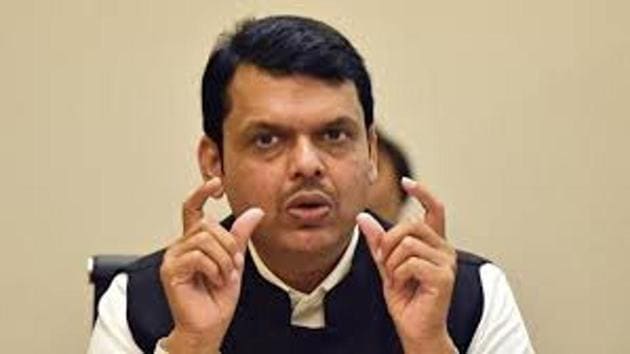
Despite the false start at the beginning of his term when chief minister Devendra Fadnavis gave in to cow politics and brought in a law, long put into cold storage, to ban the slaughter of even bulls that set the tone for the rest of the country, there were really no cases of lynchings or cow vigilantism as in certain other states in North India.
But what was exemplary and courageous on his part was the passing of the Prevention of People from Social Boycott (Prevention, Prohibition and Redressal) Bill in 2016.
Fadnavis had the law passed against the counsel of his own partymen who feared the law would directly affect the interests of their party in the rural areas by annoying the upper castes who may indulge in such boycotts of various less privileged groups on different grounds.
However, the ethos of Phule-Shahu-Ambedkar which has ruled the state from times before Independence prevailed and the bill passed into law without much ado.
Now, however, two recent incidents make me wonder if such laws alone are effective and how much of a deterrent they can prove against those with closed minds and exclusivist attitudes.
In a village in Jalgaon district, three Dalit boys who had jumped into the village well to cool off with a swim on a hot and muggy day on June 10 were beaten with sticks and leather belts and paraded naked through the village by certain upper castes who thought the boys had contaminated their well.
Much like the Una case wherein a few Dalits skinning dead cows were paraded through town tied to a SUV, these boys too were filmed by those perpetrating the atrocities and the videos uploaded on social media.
That is how the world got to know of the act and although the boys’ families have now reluctantly filed a complaint against their tormenters, they are under tremendous pressure to withdraw the FIRs.
Once the media focus shifts from the case, one wonders how far the investigation will be carried and whether they will receive justice or not.
The second case relates to the actual boycott of a group of Dalits from the Matang community by the upper castes of Rudrawadi village in the Udgir taluka of Latur district simply because they dared to visit a temple to seek the blessings of Maruti at the wedding of one of the boys in the community.
Ironically, they had not even entered the temple – they contented themselves by touching their foreheads to the bottom step of the temple, conscious of the fact that going any further to seek the Lord’s blessings would anger the upper castes of the village.
Yet they have been barred from job opportunities, shops have been told not to supply them groceries and their freedom to move around the village has been restricted.
They have had to move out to a nearby government hostel and among those ostracised is the sarpanch of the village who got her job because the seat was reserved for a Dalit woman.
She has said she has no powers to enforce anything. The upper castes rule the village. She is required only to affix her signature to various documents. Which is another story about how the state has failed to empower Dalits and women in real terms.
The incident happened early last month but came to light only after these families sat on a dharna at the tehsil office in early June to draw attention to their plight.
It is a fit case for the application of the social boycott act and one hopes it will be applied in exemplary fashion on those who have perpetrated the atrocities on these Dalits. In the case of the well which might be a source of drinking water, the boys could have been acquainted with the risks of bacterial contamination and let go without further humiliation. But why is any human being to be barred from seeking the blessings of god and entering a temple in this day and age? There are many Dalits appointed as priests across temples in India and no one has a monopoly on any god or temple in this country. Maharashtra has been way ahead of other states in terms of social reforms and equalisation of society. It should not be allowed to slip back into medieval distinctions of high born and lesser beings.


