
 E-Paper



2,000 MW Padgha-Kharghar power line to be inaugurated by August 27
Mumbai's 90-km Padgha-Kharghar transmission line will add 2,000 MW to the grid by August 26-27, aiding the city's power needs, especially during high-demand seasons.


Mumbai: In a boost for the power-hungry Mumbai Metropolitan Region, a new transmission line on the 90-km Padgha-Kharghar energy corridor will be charged up and ready to bring in 2,000 megawatts of additional electric power to the grid by August 26-27.
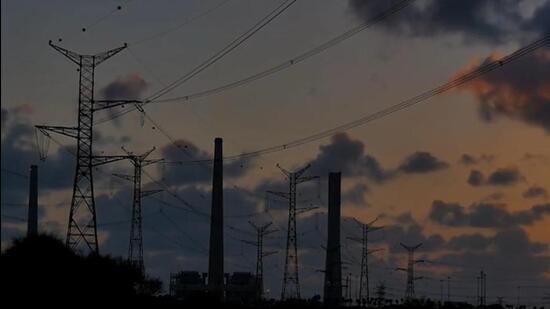
The power line, which is awaiting inauguration, is expected to bring much-needed respite to the city during the summer and October when electricity demand spikes considerably. Mumbai’s power demand surpassed 4,100 MW this summer.
The 400 kV Padgha-Kharghar line is also crucial to fuel the ₹81,137 crore worth of infrastructure projects recently approved by the Maharashtra government.
Of the total 90 km length, the power line passes through 30 km of forest land and 20 km of hilly terrain. To construct it, the implementing authorities from the Mumbai Urja Marg Transmission (MUMT) ferried men, machines, and metal via helicopters for the first time.
On average, 5-10 tonnes of material were ferried each time the choppers went to the site. This innovation allowed MUMT to avoid building a road to the site, which usually has curves on hilly terrain and would have required more trees to be cut or transplanted.
“During good weather, we were able to do up to 50 [helicopter] sorties for carrying materials, cement, metal, and men at the construction site on top of the hill. This not only saved time but also prevented chopping more trees and, thus, proved to be an environmentally friendly idea,” said an official from MUMT.
Around 20,000 trees that came in the transmission line’s path in Panvel, Navi Mumbai, Thane, Ambernath, and Bhiwandi, among other areas, were either cut or trimmed. MUMT paid a compensation fee to the government for the tree cover that fell under forest land. About 10,728 farmers, who offered their land for the right of way, for the towers and power lines were also compensated over ₹400 crore.
The project received clearance during the pandemic in 2020. Work picked up speed only in January 2023 and was completed within 16 months. The initial cost of the project was ₹900 crore, which was later bumped up to ₹1,140 crore.
The peak power demand in MMR during summer was 4,500 MW. This is expected to rise sharply, as the state government has already approved the New Town Development Authority, spanning 323 sqkm. Proposed data centres, the Navi Mumbai Airport Influence Notified Area or NAINA, the Navi Mumbai international airport, and Metro rail corridors will also spur electricity demand in MMR.
Stay updated with all the Breaking News and Latest News from Mumbai. Click here for comprehensive coverage of top Cities including Bengaluru, Delhi, Hyderabad, and more across India along with Stay informed on the latest happenings in World News.


