
 E-Paper



BMC notices to 100 doctors in Mumbai over attendance, leaving hospitals mid-duty for private clinics
Deans have been asked to monitor attendance and ensure doctors are available during duty hours.

 Prefer HTon Google


The Brihanmumbai Municipal Corporation (BMC) has issued show-cause notices to about 100 doctors out of the 800-odd working at its five major hospitals for prolonged absence from duty, amid complaints that some doctors leave hospital premises during working hours to attend private clinics.
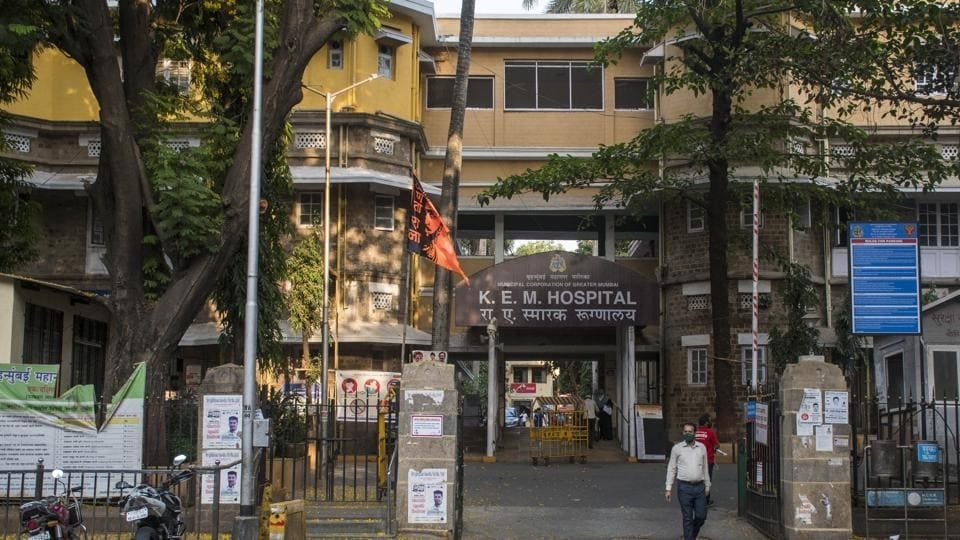
The notices have been issued to 36 doctors at KEM Hospital, 30 at Sion Hospital, 24 at Nair Hospital, nine at Cooper Hospital, and one at Nair Dental Hospital, according to Dr Shailesh Mohite, director of medical education and major hospitals at the BMC.
Deans to monitor attendance
KEM dean Dr Harish Pathak is also among those who received a notice. “The dean is as equal as any other medical personnel, and he has also been sent the notice like all others,” Mohite said. Hospital deans have been asked to monitor attendance and ensure that doctors working under them remain available during duty hours.
“We will ensure that they are not merely present in the hospital but are also productive during their official hours. The hospitals will keep tabs on such doctors and ensure they are at their desks on time, not idling or wasting time at the hospital. Their productive outcome will be monitored and assessed,” said Dr Mohite.
Also Read | Doctors cannot evade mandatory govt service bond after subsidised PG education: HC
The action follows complaints that many doctors also practice in private clinics during their duty hours. “In fact, these doctors, who moonlight in private clinics, are much more diligent in punching in their attendance on time. They mark their attendance and leave the premises,” said a resident doctor at a BMC hospital, requesting anonymity.
“To deter them, when the BMC insisted that doctors mark their biometric attendance both while entering and leaving the hospital premises, such doctors still managed to find their way around,” added the resident doctor.
Under BMC rules, doctors are permitted to practise privately beyond their official working hours. “They are permitted to work, but they must be in hospitals between 9am and 4pm,” said additional municipal commissioner Prajakta Verma-Lavanagare.
The absence of doctors affects the functioning of government hospitals, which face heavy patient loads, drawing patients from across the Mumbai Metropolitan Region and rural parts of Maharashtra for specialised treatment, officials said.
Doctors’ absence can also increase the workload on junior residents and other medical staff. “Junior resident doctors often end up taking charge of the major administrative functioning and also major treatment like surgeries in the hospital,” said Dr Mayur Choudhari, president of the Cooper Hospital chapter of the Maharashtra Association of Resident Doctors (MARD). He added that the attendance system should also account for the long hours worked by resident doctors, which can stretch to 24-36 hours.
Also Read | Specialists fret about medical council’s QR code mandate for doctors
Losing specialists
Pathak, who is among those served a notice, defended specialist doctors, saying attendance alone should not be the basis for assessing their contribution. He said that one super-specialist had already resigned to take voluntary retirement following the notices and that other specialists were considering doing the same.
“These are specialists in their fields who can get into corporate hospitals at any given time for five times their current salary. Retaining experts is a task, and they cannot be equated with regulations like attendance. Apples cannot be equated to oranges,” said Pathak.
He added that specialists and super-specialists routinely work beyond scheduled hours, attending emergencies, performing complex procedures, reviewing investigations and guiding resident doctors, often late into the night. “A fair assessment of their contribution must consider their clinical workload, availability for emergencies, teaching, research, publications and postgraduate mentorship, alongside attendance,” he said.
Also Read | Supreme Court upholds doctors’ liability under consumer protection law
“Some of our specialised services depend on a single expert. The departure of such a professional could seriously disrupt treatment, training and access to care for patients who have few affordable alternatives. If they leave, the entire department will collapse,” he added.
Frequently Asked Questions


Stay updated with all the Breaking News and Latest News from Mumbai. Click here for comprehensive coverage of top Cities including Bengaluru, Delhi, Hyderabad, and more across India along with Stay informed on the latest happenings in World News.


