
 E-Paper



BMC standing committee clears ₹3.84 crore for heritage mayor bungalow renovation
Mumbai's civic committee approved ₹3.48 crore for repairs to Koularu Bungalow, the new mayor's residence, blending modern updates with heritage preservation.

 Prefer HTon Google


Mumbai: The civic standing committee on Wednesday approved a proposal to undertake extensive repairs and renovation of the historic Koularu Bungalow, located within the Veermata Jijabai Bhosale Udyan premises in Byculla, at an estimated cost of ₹3.48 crore. This bungalow will be newly elected mayor Ritu Tawde’s official residence.
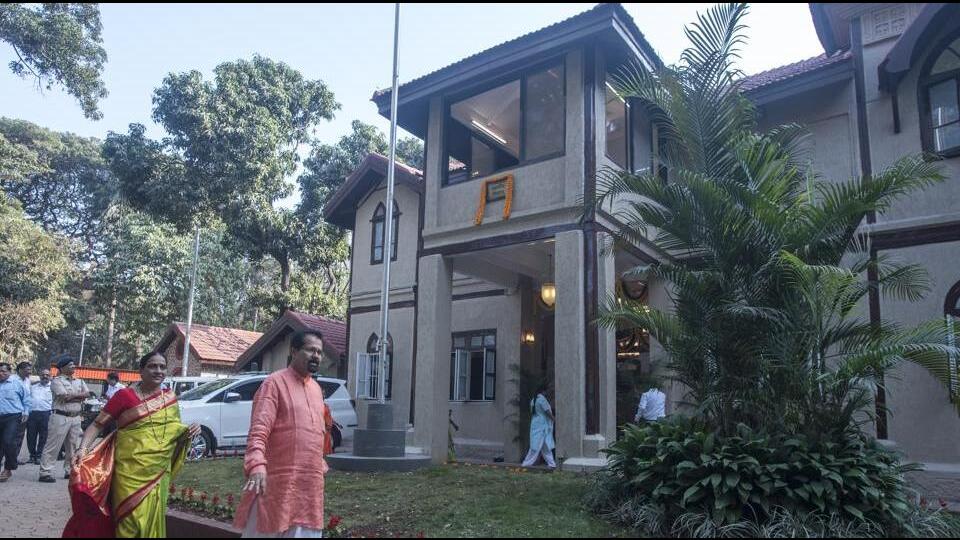
The single-storey heritage structure, built primarily of teak wood, is located along Patanwala Marg within the Byculla zoo premises. The heritage building is protected under the Development Control Regulations, highlighting its architectural and historical importance.
The refurbishment proposal was placed before the standing committee following a recent inspection by Tawde. The proposal states that the sanctioned work will focus on restoring and modernising the interiors. These include a complete furniture overhaul, installation of new tiles, fixtures, and sanitation facilities, the addition of new toilet units, and structural modifications such as adding a bedroom.
The project aims to balance conservation with contemporary functionality, ensuring that the historic bungalow continues to serve as a dignified official residence while preserving its architectural legacy. The proposal mentions that “efforts will be made to retain the building’s heritage character by installing antique-style chandeliers and Venetian blinds”. The ground floor auditorium will be converted into a meeting room, while the kitchen will be upgraded with modern, state-of-the-art facilities. Additionally, the ground floor flooring will be redone using Italian marble.
The city is renowned for its rich architectural heritage; several historic buildings reflect its cultural and economic legacy. To safeguard such structures, the Maharashtra government amended Rule 67 of the Development Control Rules and introduced legislation to preserve heritage buildings. These structures have since been identified, listed, and classified into Category I, II, and III based on their historical and architectural significance.


Stay updated with all the Breaking News and Latest News from Mumbai. Click here for comprehensive coverage of top Cities including Bengaluru, Delhi, Hyderabad, and more across India along with Stay informed on the latest happenings in World News.


