E-Paper



Coastal road facilitates new entry point to Mahalaxmi temple
The holistic pilgrim facility project for the Mahalaxmi temple is being handled by architect Abha Narain Lambah and structural consultant Shashank Mehendale. It envisages multiple entry and exit points for better crowd management and an integration with the coastal road garden behind the temple

 Prefer HTon Google


MUMBAI: As part of its ‘holistic pilgrim facility’, the BMC has constructed a footpath six metres wide and approximately 300 metres long from an existing public parking lot at Bhulabhai Desai Marg to Mahalaxmi Temple on the landfill area of the coastal road. Meant to facilitate crowds during Navratri, the footpath was inaugurated on Sunday by the city’s two guardian ministers, Deepak Kesarkar and M P Lodha.
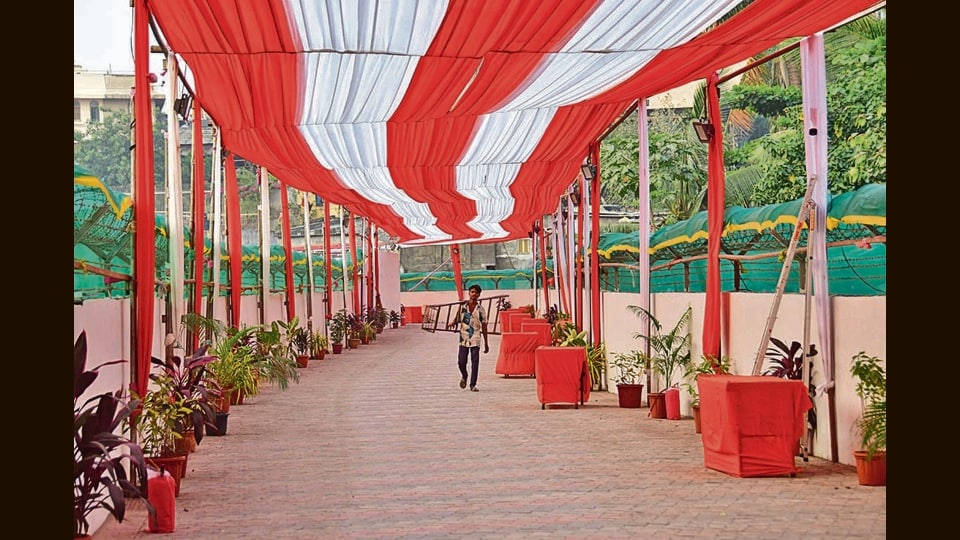
The holistic pilgrim facility project for the Mahalaxmi temple is being handled by architect Abha Narain Lambah and structural consultant Shashank Mehendale. It envisages multiple entry and exit points for better crowd management and an integration with the coastal road garden behind the temple.
“Because of the coastal road, there is now another access point for pedestrians to enter Mahalaxmi temple,” said Lambah. “Right now, there is only one street to go up and down, and especially during Navratri the traffic and pedestrian population is humongous. It is also a question of risk management, because even for security, it is important to be able to screen visitors and to have an exit point, especially in the event of a calamity.” Currently, the entrance point to the Mahalaxmi temple is from behind the Tryambakeshwar temple but has now been rerouted.
“Once the coastal road comes in, we will get two entry or exit places that link directly to the Mahalaxmi temple from the coastal road,” said Lambah. “The idea is to have multiple entry and exits for better crowd management for Mahalaxmi; also, by doing that, we will get some additional space that can be landscaped around the temple at the back towards the sea.”
The BMC’s objective is to plan the precinct in such a way that the whole area surrounding the temple is spruced up and the temple is accessible from several points. To accommodate a crowd of 70,000 visitors, the civic body is also looking at integrating it with the coastal road garden where the queueing can happen—right now, the queue stretches all the way to Haji Ali. There will also be screening facilities and washroom facilities for pilgrims.