
 E-Paper



Everyone’s all for indigenous rights until you tell them your village is Bandra
Bandra faces transformation, with rising real estate, cultural shifts, and community tensions as locals grapple with changing identities and urban pressures.

 Prefer HTon Google


Every few years a bunch of cultural neophytes will ‘discover’ Bandra and the aboriginals of this erstwhile ‘Queen of the Suburbs’ must brace for the next wave. It probably began in 1534, when Diego da Silveira arrived on the shores of this little huddle of red earth hills and blue bays, and promptly burned the village down. You’d think they’d be used to it by now.
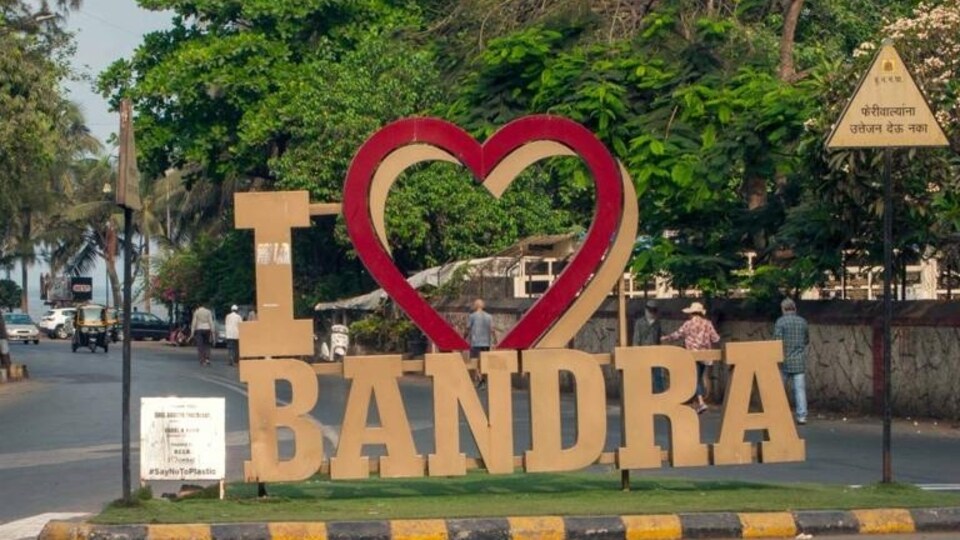
Once an East Indian village, this 4 square kilometre area has welcomed folk for more than a century. Its several churches and cathedrals were not yet a tourist attraction. Its children from the affluent areas and the less well-appointed ones attended the same schools, ran around in the same, open access playgrounds and each generation grew into adulthood, largely class, creed and culture agnostic.
Today, derided as ‘posh’ but erupting in a rash of ‘boojee’ (sic), lambasted for its perceived superciliousness but monetised as ‘subko’, ‘bylanes’ clotted with traffic outside cafes offering carbohydrates and ‘vibes’ - the locals are inured to the paradoxes, if often slightly irate. Bandra natives weave through Shah Rukh Khan’s hordes of fans, dodge motorbikes on pavements, resolutely walking their way to being priced out of their old ancestral homes.
Reduced to ‘quaint’, ‘sleepy’, a ‘fishing village’ - Bandra is in the final stages of transitioning to a motif, an ‘emotion’.
But emotions and liminal spaces rarely have as high a square foot rate as Bandra does. One of Bandra’s cliches was its residential structures. Some are true bungalows by definition, but mostly the hood’s buildings were of modest height with generous compounds patterned by the komorebi of trees planted two or three generations prior.
In the last two years, about a hundred of these structures are being redeveloped into 16-18 storey buildings, with podium parking, no trees. They’re sold as luxury destinations in an ‘international’ neighbourhood to newer arrivals willing to pay a premium for the pin code. But the heavy car usage, high perimeter walls and new teams of security guards are an anathema to the spirit of the suburb.
Asif Zakaria is a familiar sight on the streets of Bandra. Born and raised here, he runs marathons, often commutes by bicycle but is most likely to be seen supervising municipality work, usually surrounded by a host of kvetchy residents. “They used to say, what Bandra thinks today, Mumbai thinks tomorrow. It was truly the fabric of the nation. It was cosy, familiar, well developed. We had maximum green cover, open spaces and a sea front. Even today, it is better than most places.” Zakaria is clear though about what has kept Bandra unique thus far, “It’s not the social media hype and commercialisation. What makes Bandra a vibrant neighbourhood is the activism, its well-informed citizens. Every lane has an ALM that is aware and interactive. It’s not like this in other places. It keeps the administration on its toes.”
The average Bandra ALM whatsapp group is usually buzzing with information, shared responsibilities like garbage segregation or a call to the local snake catcher. In recent years however, it’s been about development. Charles Simoes, a structural engineer from IIT Bombay, professor at Sardar Patel College of Engineering with 35 years of experience behind him, personally oversaw the roadworks in his area, correcting errors, questioning deficits and keeping track of timelines. He believes residents are integral to preserving the suburb’s unique cultural value system, upholding the common good. “While it is heartening to see residents raise concerns and share ideas on Whatsapp, these must translate into tangible action. Proactive engagement with civic authorities and law enforcement is crucial to effectively address community issues and improve our neighbourhood. When you share knowledge, skills and experiences, it benefits everyone.”
What benefits everyone though is up for discussion as the suburb wrestles with the paradox of tolerance. A pedestrian neighbourhood where pavements hadn’t been sliced away to reveal the roots of the trees, where erstwhile Bollywood residents could cycle down the streets and peak hour was children running home from school, has been reimagined by those driving past in tour buses.
As the suburb evolves into its new immigrant aspirations, it’s not just that affordable eateries are disappearing or prices of staples are rising. There are fractures in integral areas of trust and co-existence. Real estate parcels in space starved Mumbai are now erupting in a battle-royale featuring political parties, builders and opportunists. In the more working-class areas of Bandra, unseen by the Instagram influencers and tour buses, scuffles are underreported. Rumours of threats, distrust between communities, the usurping of public playgrounds and illegal establishments abound. In wealthier areas, building societies are refusing tenancy on grounds of religion.
Across the suburb, the live and let live attitudes are being decimated along with cultural identities. This summer you’ll be hard pressed to find a single home that is honouring centuries of tradition by grinding their own bottle masala. Every year the streets made famous for their Christmas decorations are fewer. Old residents now eschew the Bandstand promenade, reluctantly admitting that the tourists coming to Mannat can be unwieldy if you’re just going for a walk.
“Bandra is a microcosm of a world gone wrong in some ways. The prioritisation of grey infrastructure over green is probably the biggest blunder of our times. Prioritising vehicles over humans, private transport over clean mass transit, unsold luxury condos over affordable housing,” says architect Ayaz Bsrai. He believes that Bandra has always been a space of incessant churning of culture but its soul still resides behind lace curtains in a gaothan, over a balcony of a villa or in the “easy ‘good mornings’ on the promenade”.
A few years ago, Basrai, along with a group of locals called The Bandra Collective upgraded the Carter Road promenade. It included spaces to congregate, enough seating areas, an amphitheatre, a skate park and an outdoor gym. This group of designers and architects fell into step over a shared value system - the common good. Basrai says, “It really felt like we were working on a home refurbishment, since all of us were regular users of the promenade anyway. As a group and a collective we just observed what was going on there anyway and tried to formalise it in a sense, and just add a bit of enclosure, safety and design touches.”
The promenade attracts posers and punters alike. Of course, political opportunists follow. “People will mine these spaces till they’re fully unrecognizable and massively depleted, and then move on,” says Basrai.
As Bandra reels from the refurbishment of its iconic Castella de Aguada, the 350 crore’s worth of ‘installations’ under the Bandra-Juhu metro line and the proposed Ranwar ‘beautification’, one is reminded of Jane Jacobs in her book, “The Death and Life of Great American Cities” who said, “The trouble with paternalists is that they want to make impossibly profound changes, and they choose impossibly superficial means for doing so.”
The writer is a journalist and podcast host. She reports on society, culture and human nature.

Stay updated with all the Breaking News and Latest News from Mumbai. Click here for comprehensive coverage of top Cities including Bengaluru, Delhi, Hyderabad, and more across India along with Stay informed on the latest happenings in World News.


