
 E-Paper



HC orders release of trio, as Crime Branch invokes wrong penal sections
A day after their arrest, the accused approached the Bombay High Court, challenging the charges against them. They contended that the police had wrongly booked them under the Bharatiya Nyaya Sanhita, as the alleged offences fell under the purview of a different law


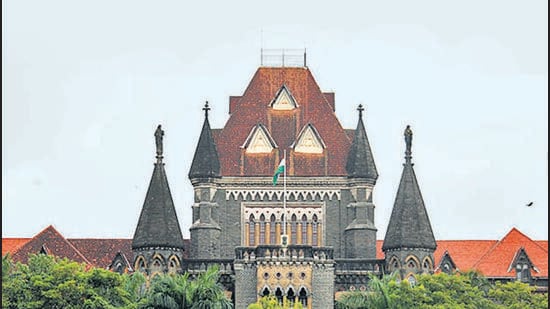
MUMBAI: The Bombay High Court recently ordered the release of three city residents, observing that they had been charged under the wrong penal sections for allegedly running a ‘dabba trading’ racket, which involves illegal trading in securities.
The accused—Viral Parekh, Sohanlala Kumawat, and Jigar Sanghvi—were arrested on October 6 following a raid at a flat in a Kandivali West housing society in an operation carried out by the crime branch in collaboration with officers from the National Stock Exchange (NSE).
According to the police, Kumawat and Sanghvi were involved in dabba trading at the direction of Parekh. The trio is accused of using a website to execute illegal transactions on behalf of at least 22 clients. They were then charged with cheating and criminal breach of trust under relevant provisions of the Bharatiya Nyaya Sanhita (BNS), claiming that the illegal trading activities had resulted in a loss to the state exchequer due to the evasion of Securities Transactions Tax, stamp duty, SEBI turnover fees, and exchange trading revenue.
A day after their arrest, the accused approached the Bombay High Court through their advocate, Mrunmai G. Kulkarni, challenging their detention and the charges against them. They contended that the police had wrongly booked them under sections relating to cheating and criminal breach of trust, as the alleged offences fell under the purview of a different law.
Justice NJ Jamadar, hearing their plea last week, agreed with the argument, observing that the relevant provisions of the Securities Contracts (Regulation) Act, 1956 (SCRA) specifically addressed the offences allegedly committed by the trio. The judge pointed out that the SCRA outlines a distinct procedure for dealing with such offences, and therefore, the crime branch wrongly charged them under the general provisions of the Bharatiya Nyaya Sanhita.
In his judgment, Justice Jamadar stated that the acts attributed to the accused clearly fell under the ambit of Section 23 of the SCRA. He noted that prosecution under the provisions of Sections 318(4) and 316(2) of the BNS was ‘prima facie unsustainable.’
The court also emphasised that Section 26 of the SCRA prescribes a special procedure for taking cognisance of offences related to securities. Under this provision, courts can only take cognisance of such offences based on a complaint from the Central Government, State Government, SEBI, or a recognised stock exchange.
“The special law providing for a specific procedure prevails over the general law,” said Justice Jamadar, adding that the prosecution for offences covered by the 1956 Act, using a completely different procedure, ‘prima facie appears suspect.’
Subsequently, the court ordered the immediate release of Parekh, Kumawat, and Sanghvi on bail, with the condition that they furnish bonds of ₹50,000 each.
Stay updated with all the Breaking News and Latest News from Mumbai. Click here for comprehensive coverage of top Cities including Bengaluru, Delhi, Hyderabad, and more across India along with Stay informed on the latest happenings in World News.


