
 E-Paper



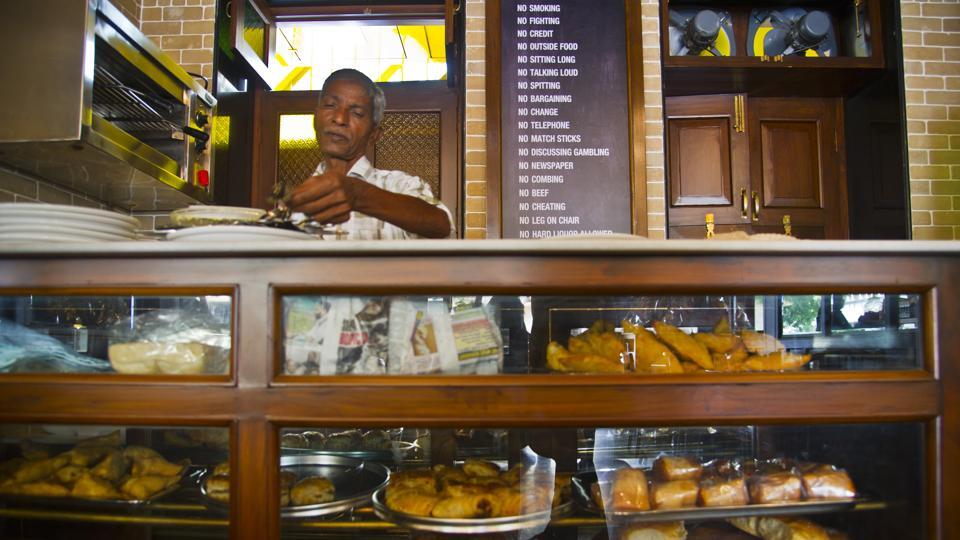
Irani cafes may lose their unique wood-fired flavour
The distinct taste and aroma of the baked goods that these cafes are known for are the direct result of the wood and charcoal-based ovens

 Prefer HTon Google


MUMBAI: Irani cafes and bakeries in South Mumbai, a cornerstone of the city’s heritage, food culture and history, may lose some of their flavour, thanks to the switch from charcoal- and wood-fired ovens to green fuels. These are not the only food establishments impacted by the ban on the use of wood and charcoal as directed by the Bombay High Court on January 9.
After the court’s directive, the Brihanmumbai Municipal Corporation (BMC) issued a circular prohibiting the use of fossil fuels in all commercial establishments using traditional methods of cooking and baking. On February 14, 2025, HT was the first to report on the ban on charcoal tandoors in restaurants. Notices have been issued to more than 80 open-air eateries, dhabas and restaurants, stating that they must switch to green fuels or face action by July 8.
The court order has mandated that restaurants and bakeries using wood, coal and other conventional fuels within BMC limits transition to cleaner energy sources such as LPG, PNG, CNG or electricity.
In a letter to municipal commissioner and administrator Bhushan Gagrani, former corporator Makarand Narwekar has urged the BMC to exempt Irani cafes from the ban and assign heritage status to these establishments, recognising their cultural value and century-old history.
“These cafes have been in existence for over a century, and the wood-fired ovens they use are an integral part of their legacy. The distinct taste and aroma of the baked goods that these cafes are known for are the direct result of the wood and charcoal-based ovens. The non-wood or coal ovens will change the taste of the cuisine, which the patrons have cherished for generations,” he stated in his letter.
Narwekar argued that Irani cafes are not just eateries but an essential part of Mumbal’s culinary history. “Their origins can be traced to the 19th century, when Zoroastrian Irani Immigrants introduced their culinary traditions to Mumbai. Over time, these cafes became symbols of the city’s cosmopolitan identity, offering a space where people from all walks of life could come together and enjoy a warm cup of chai, freshly baked bread, and a variety of delicacies. These cafes are not just places to eat, they represent the shared history and spirit of Mumbai, contributing to the city’s unique charm and character,” he said.
Further bolstering his case for Irani cafes to be assigned heritage status, Narwekar said that in cities such as New York, historic restaurants are exempt from certain regulations to protect traditional cooking methods, while in the Netherlands, centuries-old windmills, now in the midst of cities, are preserved as part of their national heritage. “On the same lines, we must preserve the traditions that make our city unique,” he added.


Stay updated with all the Breaking News and Latest News from Mumbai. Click here for comprehensive coverage of top Cities including Bengaluru, Delhi, Hyderabad, and more across India along with Stay informed on the latest happenings in World News.


