
 E-Paper



Jambhul gaon to plant jamun trees on 10 hectares to fight climate change
In the coming days, 10,000 jamun trees will be planted across the village. Each tree will be numbered, and the trees will be allocated to every family in Jambhul gaon for care and maintenance. The sarpanch envisions that in future, families will earn income from the jamun they produce

 Prefer HTon Google


THANE: The district collector of Thane and other senior officials will congregate today in Ambarnath taluka’s Jambhul village to each plant a jambhul tree. Behind the plantation drive is a story of how the vivid purple sweet-and-tart fruit, whose production has drastically gone down on account of urbanisation and climate change, is being sought to be resurrected.
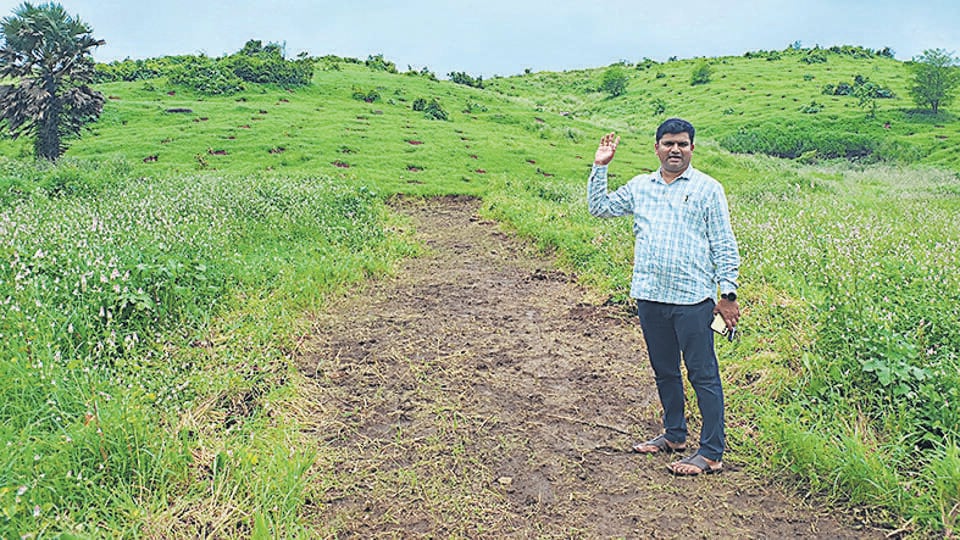
Cultivated across 30 villages in Badlapur, jambhul (jamun) in the district is famous and distinctive enough for the district to have received a GI (Geographical Indication) tag for it. But with climate change having significantly reduced production in recent years, the sarpanch or headman of Jambhul village in Ambarnath taluka came up with a visionary plan to cultivate the fruit in the village and successfully secured 10 hectares of land for this.
In the coming days, 10,000 jamun trees will be planted across the village. Each tree will be numbered, and the trees will be allocated to every family in Jambhul gaon for care and maintenance. The sarpanch envisions that in future, the families responsible for these trees will earn income from the jamun they produce.
Aditya Gole of the Jambhul Parisamvardhan and Samuday Vikas Charitable Trust began the process of obtaining a GI tag for Badlapur’s jamuns. After he approached the ministry of commerce and followed up rigorously for two years, scientists from BARC conducted tests of the soil and jamuns across 30 villages in Badlapur. In March 2024, the villages received the GI tag certificate.
Gole noted that this year’s jamun production was significantly hindered due to climate change. “Our Badlapur jamun stands out for its size, nutrients and benefits,” he said. “Scientists have found it to be rich in anthocyanins, which have anti-diabetes and anti-cancer properties. However, 70% of jamun trees have been cut down in the past four years for urbanisation, leading to climate change impacts. This has caused a production delay of one and a half months, leaving farmers with only one month to sell the fruit. This year, the highest price for jamun reached 1,200 rupees per kilo.”
Gole said that given this situation, the trust’s focus after receiving the GI tag was on restoring jamun plants through a large-scale plantation drive. “We aim to increase the number of plants to improve climate conditions and boost production, which will support indigenous communities,” he said. “The Jambhul gaon project aligns with our vision, and we are very optimistic about this initiative. Ironically, while we are importing kiwi and dragon fruit and giving them so much importance, we are neglecting and destroying our own indigenous fruits. This has to stop.”
Jambhul village is 48 km away from Mumbai and on the outskirts of Ambarnath taluka. For the past many years, the Adivasi community in this village has sustained itself through a barter system, exchanging jamuns for food and other necessities.
“Due to climate change, the availability of jamun has significantly decreased over the past two to three years, prompting the community to seek alternative sources of income,” said Parikshit Pisal, the sarpanch of Jambhul village. “As part of our election manifesto, which includes infrastructure improvements for the community, I plan to include a commitment to track the number of trees planted and grown during our tenure. The diminishing green cover has not received the political attention it deserves, and current development efforts are overly focused on urbanisation. If we have a valuable resource like jamun to nurture, we should prioritise its growth.”
Pisal, recognising that the gurcharan or grazing land in their village was unused, sought approval to use it for plantation. The collector of Thane granted permission for 10 hectares. An HPCL company officer whom the sarpanch had approached for CSR funding to aid villagers in maintaining the plants, has also given the requisite help. The plantation has already begun, and on August 2, the district collector and other senior officials will visit the site to plant jamun trees.
Pisal explained, “We will plant 10,000 rural-breed jamun trees on the 10 hectares of land along with bamboo trees on two hectares. Bamboo helps prevent soil erosion caused by rain. We are planting 11-month-old jamun trees, which will require care for the next year and a half before growing on their own. Bamboo, being easy to cultivate, can also be sold in the market, providing a source of income for the Adivasi community and other villagers within the next two years.”
Thane Zilla Parishad CEO Rohan Ghuge said that the sarpanch, villagers, block development officer and the MLA of the area all took a significant initiative to make the project happen. “Jamun trees can absorb carbon from the air, contributing to climate change mitigation,” he said. “Jambhul village is living up to its name with this great new jamun plantation initiative.”


