
 E-Paper



New IT Rules will have chilling effect on editors, authors, petitioners tell Bombay HC
New rules titled Intermediary Guidelines and Digital Media Ethics Code for social media platforms and digital news outlets was brought into force in May this year


The Bombay high court (HC) on Monday was informed that the recently notified Information Technology Rules 2021 under the Information Technology (IT) Act were against free speech and promoted draconian censorship and delegated powers to the authorities that were more than what was intended. Senior journalist Nikhil Wagle and legal news portal Leaflet who have filed challenged the Rules submitted that they will have a terrible chilling effect on the free speech of authors/editors, people at large and hence should be set aside.
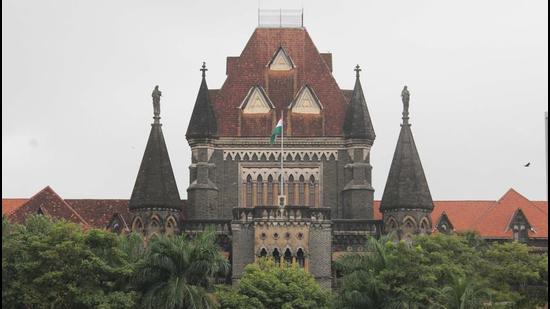
The division bench of chief justice Dipankar Datta and justice Girish Kulkarni while hearing the two petitions which termed the Rules as arbitrary, illegal and contrary to articles 14, 19 and 21 of the Constitution was informed by senior counsel Daraius Khambatta and advocate Abhay Nevagi that the Rules were against the principle of net neutrality, which is adopted and accepted by all countries including India.
The new rules titled Intermediary Guidelines and Digital Media Ethics Code for social media platforms and digital news outlets was brought into force in May this year by the Ministry of Electronics and Information Technology. The guidelines issued in February had stipulated that all social media platforms should have a grievances redressal and compliance mechanism which would be done through a resident grievance officer, chief compliance officer and a nodal contact person.
The platforms were asked to submit monthly reports on complaints received from users and actions taken on them. The third requirement for instant messaging applications was to make provisions for tracking the first originator of a message and also made the service provider liable for penal action in the event of non-disclosure of information.
Senior counsel Khambata, representing the company that owns The Leaflet submitted that new IT Rules were vague, wide, draconian and would have a terrible chilling effect on free speech on authors, editors and anyone who wants to post anything online. He added that the Rules sought to control investigative journalism which would result in journalists not being able to write anything which they cannot prove 100 per cent. He said that while the journalists are expected to be accurate, the Rules could not decide between ‘fair and crass’ and could not control publishers and editors through it.
“The rules seek to effectively monitor and censor speech on the internet, the most draconian law on free speech in recent times. They have nothing to do with regulating or recognizing the e-transactions on the internet,” said Khambatta and sought a declaration that the rules were ex facie ultra vires of the constitution of India. He also sought interim relief by staying the application of the Rules till the petition was decided.
Advocate Nevagi appearing for Wagle in his PIL said that while messaging apps like WhatsApp, Telegram, Signal were akin to post offices that just delivered letters between the sender and the receiver without opening the letter, the rules allowed authorities to use artificial intelligence mechanisms to access the data or communication sent, leading to misuse of the same.
Additional solicitor general Anil Singh for the Central government submitted that the Supreme Court (SC) was likely to hear the petition which sought transfer of the two petitions in HC to the Apex court on August 10 and urged the Court to wait till SC’s decision.
Stay updated with all the Breaking News and Latest News from Mumbai. Click here for comprehensive coverage of top Cities including Bengaluru, Delhi, Hyderabad, and more across India along with Stay informed on the latest happenings in World News.


