
 E-Paper



Parsi Punchayet opens door to tenancy for 1,900 families
A resident of the Bombay Parsi Punchayet’s (BPP) Godrej Baug at Nepean Sea Road, Kapadia has spent 28 years leasing his apartment, worried about being considered a trespasser if the lease agreement were to lapse

 Prefer HTon Google


MUMBAI: For nearly three decades, every few years, 72-year-old Viraf Kapadia lived with the same uncertainty: would he still have a home?
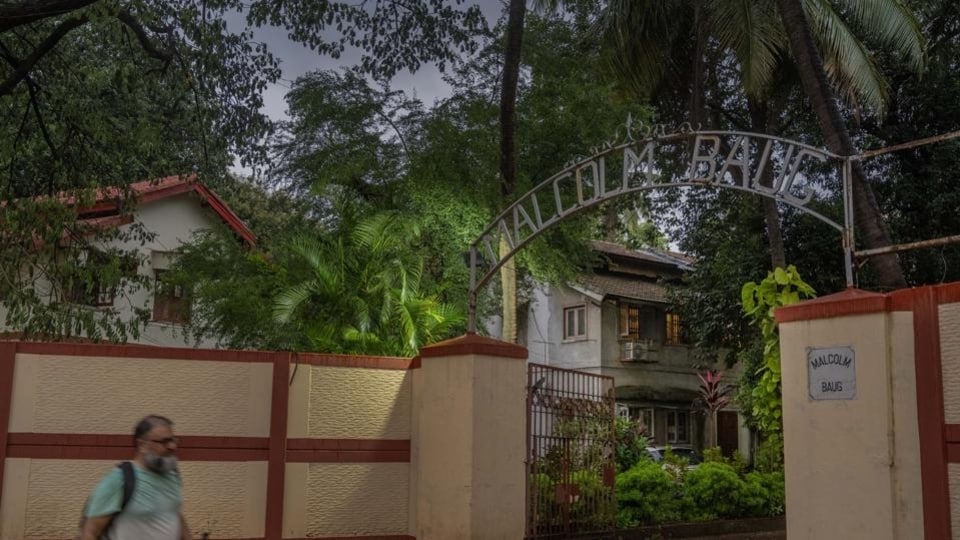
A resident of the Bombay Parsi Punchayet’s (BPP) Godrej Baug at Nepean Sea Road, Kapadia has spent 28 years leasing his apartment, worried about being considered a trespasser if the lease agreement were to lapse.
That uncertainty may soon end for nearly 1,900 Parsi-Zoroastrian families in Mumbai. In what is being described as one of the most significant housing policy shifts in recent years, the BPP, the apex body of the community, approved a proposal on June 10 allowing all residents living on leave-and-licence agreements to convert to a tenancy arrangement under the Maharashtra Rent Control Act. The BPP has since received applications from 70 licensees.
“There were attempts to remove me earlier but I survived them. As a licensee, your future depends on the trustee’s decision,which can go against you,” said Kapadia.
The 1,900 licensees covered by the decision comprise nearly 40% of BPP’s housing stock across 22 of its 30 baugs, or housing colonies, in Mumbai. The remaining eight baugs fall under other Parsi trusts.
Before 1973, most occupants of BPP housing were tenants. The leave-and-licence system was introduced after the Bombay Rent Act,1947 was amended in 1975, covering the majority of new occupants. After the Maharashtra Rent Control Act took effect in 1999, all residents were allotted houses under the leave-and-license arrangement – they didn’t have a choice. This created two distinct categories of occupants within BPP housing—older residents with tenancy rights and newer residents on leave and licence agreements.
BPP chairperson Viraf Mehta said the decision to convert all occupants to tenancy was prompted by concerns that the leave-and-licence system could be misused. “There was an instance where the licence mechanism was turned against a widowed woman with three children on the strength of neighbours’ complaints,” he said.
In an open letter dated on July 26, three of the seven trustees including Mehta supporting the decision wrote that whenever a resident’s case comes before the board, the first question asked is whether the person is a tenant or a licensee. “It is asked for one reason only: because a licensee is far easier to remove, and everyone in the room knows it. That knowledge has been used as a quiet instrument of pressure over licensees for years,” the letter stated.
Kapadia said the decision has finally freed residents from the constant fear of eviction. He also said the system became a source of stress during the BPP elections. “If you didn’t support a particular panel, you always worried what could happen if that panel won,” he said.
Another resident, who has lived in a BPP colony since 1994 said, “A tenant enjoys legal rights and much greater protection. Tenancy is inherently much safer and also transferable to our legal heirs, while the licence system is not.”
Vistasp Contractor, who has lived in the BPP’s Goregaon complex for 15 years, says, welcomed the June 10 decision. He said tenancy will end the widely varying fees licensees are charged, which ranges from ₹500 and ₹12,000 for comparable premises in the same colony. “The charges depended completely on the whims of whoever was in charge,” he claimed.
Contractor’s biggest concern, however, lies in the future. “If BPP colonies are redeveloped, tenants will become owners and once you are an owner you can rent or sell your flat, and the covenant (the Parsi-only rule) is lost forever!”
One of the dissenting trustees, Dr Adil Malia, told HT, “As trustees, we have a fiduciary responsibility to protect the interests of the trust and its properties, particularly when retired judges, senior solicitors, Rent Act practitioners including the internal auditor of the BPP Trust have made adverse observations and advised us against making this change.”
He said no licensee has ever been evicted by the trust. “We are committed to providing full protection to all our dear residents but that cannot be at the cost of the trust losing its character or protective control over its assets,” Malia added.

Stay updated with all the Breaking News and Latest News from Mumbai. Click here for comprehensive coverage of top Cities including Bengaluru, Delhi, Hyderabad, and more across India along with Stay informed on the latest happenings in World News.


