
 E-Paper



Ghaziabad records 252 dengue cases, highest since 2016’s tally of 621
According to official figures, the number of dengue cases was 621 in 2016, 232 in 2017, 68 in 2018, 88 in 2019 and 15 in 2020. The number of cases spiked in 2021, with Ghaziabad recording the first 100 cases on September 15, and the next 100 within nine days (by September 24)


Ghaziabad recorded 15 cases of dengue on Monday, taking the total tally to 252, the highest number of cases since 2016 when the tally stood at 621.
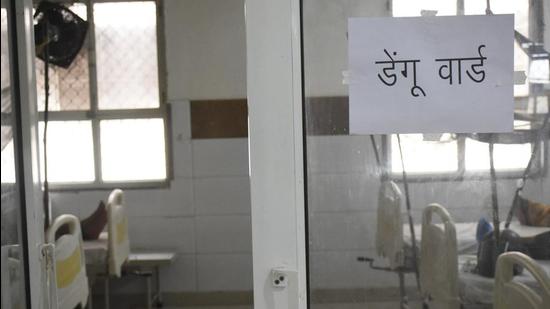
Officials of the district health department said that the number of cases is likely to subside by the end of October as the weather department has predicted the end of monsoon by the first week of the month, and therefore waterlogging in the district should also reduce by then
According to officials, the first dengue case in 2021 was detected on September 1. In 27 days, the tally reached 252. Of the 252 cases, 186 patients required admission in hospitals, they said, adding the hospitalisation rate is about 73.8%.
According to official figures, the number of dengue cases was 621 in 2016, 232 in 2017, 68 in 2018, 88 in 2019 and 15 in 2020.
The number of cases spiked in 2021, with Ghaziabad recording the first 100 cases on September 15, and the next 100 within nine days (by September 24).
“The spike in dengue cases this year is mainly due to recurrent heavy rainfall this monsoon. There is heavy waterlogging. Further, this year, we have taken into account all the cases reported by government as well as private hospitals. No case is going unreported,” said Dr Rakesh Gupta, district surveillance officer.
The department is also engaging with various residents’ welfare associations (RWAs) to tackle the menace and said that community engagement will help keep dengue cases in check.
Officials also praised the Kaushambi RWA for taking up different measures to keep a check on dengue.
“The Kaushambi RWA has emerged as a role model for other RWAs as they have put in a lot of systematic and scientific efforts to check the spread of dengue and malaria cases. Similarly, other RWAs should also come forward to do so,” Dr Gupta added.
Office bearers of Kaushambi Apartments RWA (Karwa) said that they consulted the National Institute of Malaria Research and the district malaria department, and take regular steps to control the spread of infection.
“We work closely with the corporation officials and get them to clean stormwater drains. We get anti-larvae products sprayed in the area weekly, besides infusing burnt motor oil in drains to check the breeding of mosquitoes. Every sixth day, we get bushes and green areas fogged with a special water-based insecticide. Inside our buildings, open spaces, lifts, and corridors we use another kind of insecticide which keeps mosquitoes and insects away for a long duration,” said VK Mittal, president of Karwa.
Medical experts agree with officials that dengue and malaria cases will persist till the end of October as the monsoon will end only by the first week of the month.
“Cases have shot up this year due to heavy waterlogging, a result of frequent heavy rains. Cases of dengue and malaria generally occur during September and October. So, it is vital that no stagnant water should be present in and around households. This aids the breeding of mosquitoes,” said Dr Ashish Agarwal, president of Indian Medical Association (Ghaziabad chapter).
According to official records, the district had also recorded 15 cases of malaria and 39 cases of scrub typhus by Monday.

Stay updated with all the Breaking News and Latest News from Mumbai. Click here for comprehensive coverage of top Cities including Bengaluru, Delhi, Hyderabad, and more across India along with Stay informed on the latest happenings in World News.


