
 E-Paper



RRTS project: RTA gives nod for 114 feeder buses in Ghaziabad
‘We will now invite proposals from bus operators for roping in vehicles. The buses should be BS-VI compliant and CNG-run. We expect the formalities will get completed by February, well before the proposed opening of the 17-km priority section,’ said Arun Kumar, regional transport officer


The decks for the operation of feeder buses from three stations of the Regional Rapid Transit System (RRTS) project have been cleared, officials said on Thursday. The regional transport authority (RTA) has given its approval for the operation of 114 feeder buses on 17 routes in Ghaziabad, officials added.
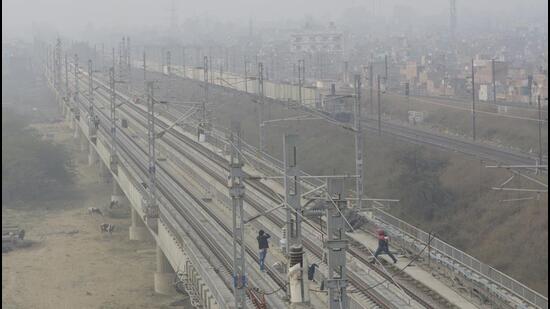
The Uttar Pradesh government had earlier given an in-principle approval for the operation of feeder buses and the RTA in its meeting on Wednesday gave a final go ahead. It has also decided on the number of buses that will ply on the 17 proposed routes.
“The RTA has approved the proposal and this will pave the way for the operation of about 114 feeder buses from three RRTS stations in Ghaziabad. These buses will be 20-22 seaters and will operate in a 10-km radius of the three stations. It is estimated that the feeder buses will cater to about 100,000 passengers on a daily basis,” said Arun Kumar, regional transport officer (RTO).
The transport department in November 2022, proposed 17 routes from three RRTS stations – Sahibabad, Ghaziabad City and Guldhar. The three stations are part of the 17-km priority section in Ghaziabad and will be the country’s first RRTS stretch to open up for passenger operations. The stretch is expected to commence operations in March.
“We will now invite proposals from bus operators for roping in vehicles. The buses should be BS-VI compliant and CNG-run. We expect the formalities will get completed by February, well before the proposed opening of the 17-km priority section,” Kumar said.
The proposed routes include nine originating from the Sahibabad RRTS station, while four each have been proposed from Ghaziabad City and Guldhar RRTS stations respectively.
The proposed routes will cater to passengers from far-flung areas such as Loni, UP Gate, Noida, Govindpuram and others.
It is estimated that nine routes from Sahibabad RRTS station will require a fleet of 56 buses, while 28 buses will be required from Ghaziabad City and 30 from Guldhar.
Officials from the National Capital Region Transport Corporation (NCRTC), the agency which has taken up the project, has estimated that the RRTS trains will considerably reduce Co2 emissions by taking around 150,000 private vehicles off the road on a daily basis. They have also said that the entire 82-km corridor, connecting the three cities of Delhi, Ghaziabad and Meerut, is estimated to reduce about 250,000 carbon emissions per year, which will help to reduce the impact of air pollution.

Stay updated with all the Breaking News and Latest News from Mumbai. Click here for comprehensive coverage of top Cities including Bengaluru, Delhi, Hyderabad, and more across India along with Stay informed on the latest happenings in World News.


