E-Paper



9 Juang tribals die in 50 days in Odisha village; Health officials begin probe
At least 9 Juanga tribals, including a 6-month-old infant, have died in Jantari village of Keonjhar’s Banspal block over the last 50 days


The health officials in Odisha on Friday began an investigation into the death of 9 Juanga tribals, one of the 13 primitive tribal groups in the state, in Jantari village of Keonjhar’s Banspal block over the last 50 days.
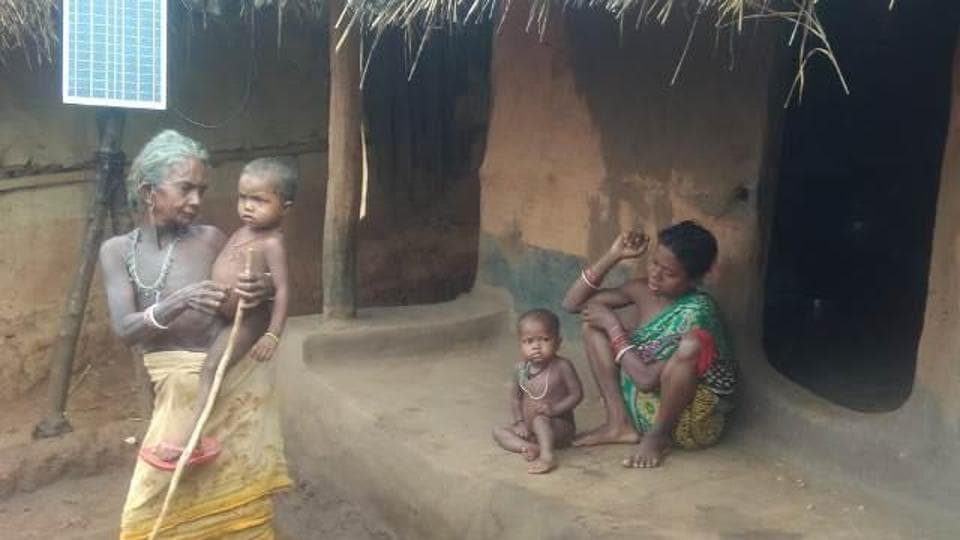
Since August 30, at least 9 Juanga tribals including a 6-month-old infant, have died in the village.
“All those who died had fever and diarrhoea. After taking medicine from the local government hospital, they seemed to recover in a few days. However, their conditions deteriorated in a matter of few days before they died,” said Kirtan Juanga, a villager of Jantari.
“My appetite is substantially reduced. I am feeling weak. I went to the hospital, but my health is not improving,” said Jagla Juanga, another villager. The villagers said the they were facing problems in availing healthcare facilities.
The nearest primary health centre at Gonasika is 15 km from the village while the nearest community health centre at Banspal is located 40 km away.
Jantari is a village of around 100 Juanga families, who are among the most primitive tribal community in Keonjhar district. Of the 47,095 Juangs in Odisha enumerated in Census 2011, 26,707 are in Keonjhar district, mostly concentrated in Banspal, Telkoi and Harichandanpur administrative blocks.
Dr Ramakanta Munda, a medical officer in Keonjhar district who visited the village for an on-ground assessment, said the reason of death of 9 tribals cannot be attributed to one particular reason. “Some had TB while others had kidney ailments. Some died due to old age issues. At least 10 others in the village have fever and other such symptoms. We have taken their blood samples and would be able to speak about the possible cause of death after the laboratory results come in,” he said.
The medical team, however, admitted that contamination of water could be an issue as two solar-powered drinking water projects in the village had become defunct. “The tanker containing drinking water had a foul smell. We saw insects floating in the water. The villagers had no other recourse than to drink water from local streams,” said a member of the medical team.
Health activist Gouranga Mohapatra said increased contamination of water has led to greater health risks and challenges. “Incidences of mosquito-borne illness increased exponentially as standing water became a breeding ground for pests. Despite the sacred nature of water among this group, Juang people continue to lack consistent access to clean drinking water, negatively impacting their nutrition and health,” he said.
Researchers from Anthropology department in Utkal University of Bhubaneswar, who had done a study in the health-seeking behaviour of the Juang tribals in Keonjhar, found that they favored traditional healthcare because they thought it was easily accessible and capable of reducing the severity of symptoms in an emergency.
“They believed in their traditional healer’s efficiency and preferred using a medication made by their traditional healers, locally referred to as Raudia (herbalist)/Gunia (sorcerer)/Dehuri (priest). The concept of raudia or sorcerer plays a dominant role in their culture. They generally believe that the cause of all illnesses is God or spirit. According to them, ill health is nothing but a form of the wrath of the Goddess (thakurani) concerned or spirits on the patient. If the illness persists after having taken home-based remedies, they visit the gunia/raudia to satisfy the spirit of the sick person. But when the patient’s condition gets out of the healer’s control, the patient is taken to the PHC. Surprisingly, if the patient is not cured after the treatment by the PHC, he would once again be taken back to the dehuri for treatment,” said Kaberi Sahoo, one of the researchers.
In 2016, the vulnerability of Juangs became a major talking point with 19 children dying of malnutrition in Nagada village of neighbouring Jajpur district. After the incident, there was a rapid influx of resources and assets into Nagada, which was connected by road and bus service.
Juangs in Keonjhar tend to lead a secluded life, except for their weekly visit to the haat, where they bring their small collections from the forest to barter or sell to buy their daily needs. The semi-isolation of Juangs, and lack of transport facilities has made it difficult for development organisations and government functionaries to reach them, and for the Juangs to reach government and health facilities.