
 E-Paper



Bastar witnessed ‘real freedom’ only after end of Maoist violence: Amit Shah
Amit Shah inaugurated the region’s first Jan Suvidha Kendra, a public service facility established at a former security camp that once stood at the centre of anti-Maoist operations

 Prefer HTon Google


Union home minister Amit Shah on Monday said the end of Left Wing Extremism (LWE) in Chhattisgarh paved the way of a new dawn in Bastar.
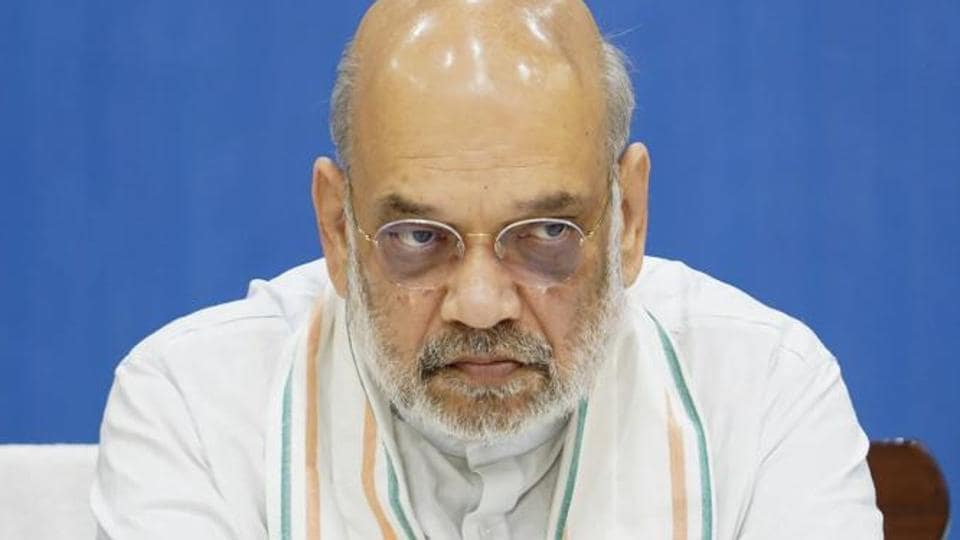
Addressing a public gathering during his first visit to Bastar after March 31, 2026 when the Centre announced the end of Left Wing Extremism (LWE) in Chhattisgarh, Shah inaugurated the region’s first Jan Suvidha Kendra, a public service facility established at a former security camp that once stood at the centre of anti-Maoist operations.
“India attained Independence 77–78 years ago, but Bastar saw the sunrise of freedom only after March 31, 2026,” Shah said.
“For decades, the people here lived under fear, violence and deprivation. I assure the people of Bastar that the delay in development and the losses suffered over the years will be fully compensated. The Government of India and the Chhattisgarh government will work together to transform this region”, he said.
The Jan Suvidha Kendra inaugurated on Monday will provide multiple government services under one roof, including access to welfare schemes, banking assistance, healthcare support, documentation services and livelihood-related programmes.
According to officials, the initiative is part of a larger plan to convert several security establishments across Bastar into centres focused on governance and public outreach.
Also Read: Gujarat must lead in services and IT sector too, says Amit Shah
Calling the development “historic,” Shah said the importance of the initiative would become clearer in the years ahead.
“You may not realise its significance today, but I assure you this place will soon be filled with tribal brothers, sisters and children. It will become a centre of service and development,” he said.
Shah said nearly 70 such Jan Suvidha Kendras would eventually be established across Bastar.
“When all these centres become operational, it will mark another day of freedom and a new sunrise for Bastar,” he said.
-kW0H-U20214218012MgB-250x250%40HT-Web.jpg)


