
 E-Paper



Every family should nurture at least one tree: Haryana CM
Calling for greater public participation in environmental conservation, Haryana chief minister Nayab Singh Saini on Friday urged every family in the state to plant at least one tree and take responsibility for nurturing it, stressing that the success of plantation drives should be measured not by the number of saplings planted but by how many survive and grow into trees

 Prefer HTon Google


Calling for greater public participation in environmental conservation, Haryana chief minister Nayab Singh Saini on Friday urged every family in the state to plant at least one tree and take responsibility for nurturing it, stressing that the success of plantation drives should be measured not by the number of saplings planted but by how many survive and grow into trees.
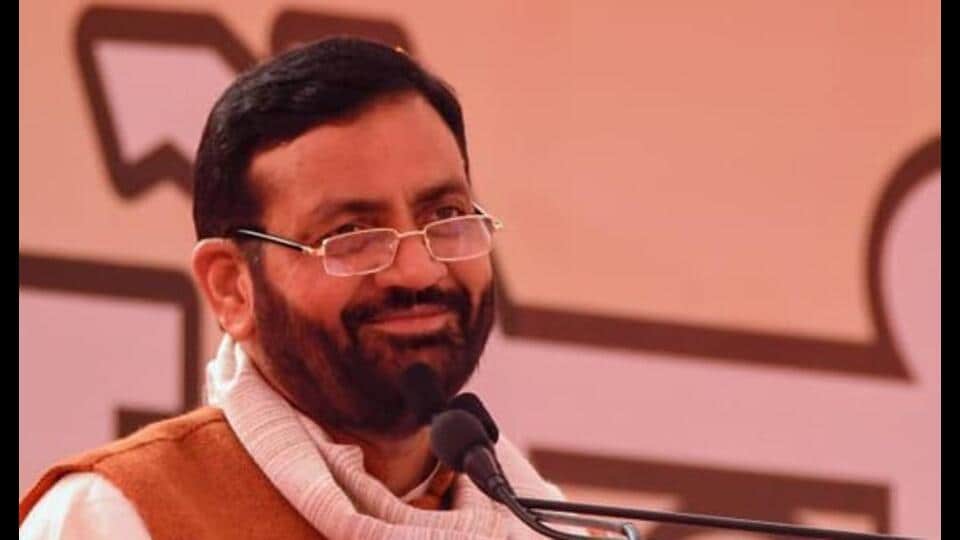
Launching the second phase of the 77th State-Level Van Mahotsav in Manesar, Saini said environmental conservation was not merely a government programme but a moral responsibility of every citizen. The first phase was launched in Karnal on July 30.
The state has set a target of planting 14 million saplings during the ongoing financial year under Prime Minister Narendra Modi’s “Ek Ped Maa Ke Naam” campaign.
The event was presided over by Haryana environment minister Rao Narbir Singh, while Union environment minister Bhupender Yadav was the chief guest.
Saini said similar plantation programmes would now be organised across all 90 Assembly constituencies to turn the campaign into a mass public movement.
Highlighting the ecological significance of the Aravallis, Saini said the ancient mountain range had protected biodiversity, conserved water resources and provided clean air for generations. “If the Aravallis could speak, they would ask what we are leaving behind for future generations in return for everything they have given us,” he said.
Saini said Haryana had developed 75 Namo Parks, dedicated green public parks created to promote urban greenery, biodiversity and healthy lifestyles, and was establishing Oxy Vans, large urban forest parks designed to improve air quality while providing residents with walking tracks, cycling tracks and recreational facilities, at every district headquarters. He added that Panchvati plantations, an afforestation initiative involving the plantation of indigenous and culturally significant tree species in villages and public spaces, were also being developed across the state. – are being developed across villages and at 134 pilgrimage sites in the 48-Kos Kurukshetra region, while 58 herbal parks have been created to conserve medicinal plants.
He also highlighted efforts to strengthen community participation through 610 “van mitras” or forest friends, who assist in protecting saplings and expanding green cover. A total of 5,360 heritage trees are being protected under the Pran Vayu Devta Scheme, with annual financial assistance of ₹3,000 per tree.
Yadav said Haryana had emerged as a model for environmental conservation in the National Capital Region through efforts to restore the Aravalli ecosystem, expand green cover and improve biodiversity. “Gurugram is no longer recognised only for its industrial and economic growth. The Aravalis, Sultanpur Wetland and other natural ecosystems are becoming its environmental identity,” he said.
Singh said plantation campaigns could succeed only if saplings were protected until they matured into trees. “Small behavioural changes, when adopted collectively, can make a significant contribution towards building a greener and more sustainable Haryana,” he said.


