E-Paper



Atiq murder case: ‘Shooters must have fired hundreds of rounds to practise’
The way the three accused handled the firearms and executed the operation with near perfection also showed their skill, said experts.

 Prefer HTon Google


KANPUR The precision with which the three shooters cut into the security cordon and took out Atiq Ahmed and his brother Ashraf can only come with rigorous practise, say experts. The way the three accused handled the firearms and executed the operation with near perfection also showed their skill, they added.
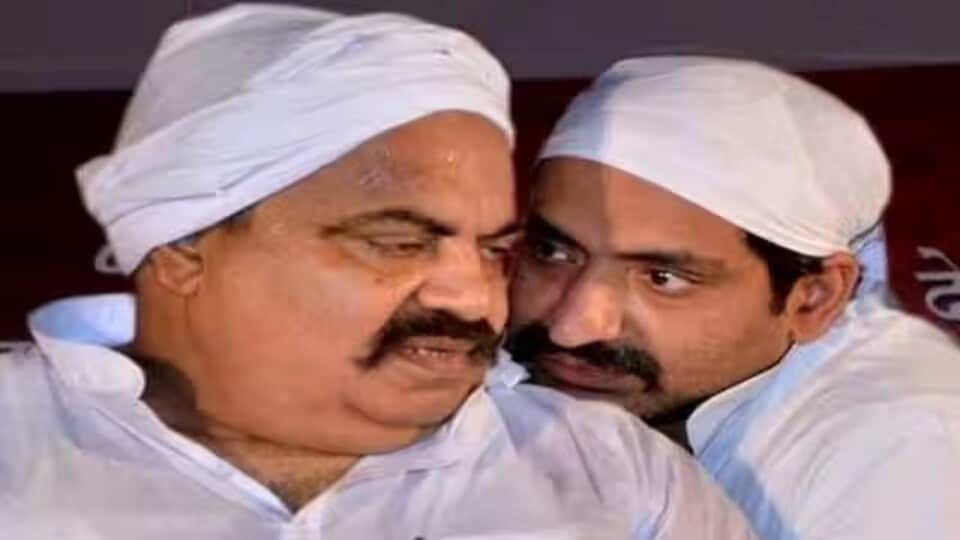
Retired inspector-general Vijay Shankar Singh feels that the three shooters must have trained for at least a month given the way they handled weapons and fired at Atiq and Ashraf. He points out that they had worked not just on the positions they would take but also on their firing pattern. “They worked on every detail -- down to their movement, position, and the body parts they will target. Everything was synchronised,” added Singh.
An ATS officer, who agrees with Singh, said, “I have seen the footage. They must have fired hundreds of rounds in practice to achieve this level of skill. They were well-trained. These men weren’t normal shooters.” The ATS officer further said, “It takes a lot of guts and skill. Just see how one of them approached Atiq and shot him in the temple point blank, then the next fired two shots from the other side, piercing into the heart and neck of Ashraf.”
In a similar vein, Ajay Wig, who has been a national-level shooter, said that the hands of the three shooters were steady and they did not use their second hand to support the other one. “Their hands did not quiver for a second, they kept firing till their mission was complete. As I could see in the footage, one shooter was firing with hands stretched fully, neck balanced, and shoulders going a bit towards the back and the hips going downwards a little. These are signs of well-trained shooters,” said Wig.
Echoing Wig’s opinion, Varun Mehrotra, who has coached a number of shooters at Kanpur Rifle Club, said “This level of one-hand firing was not possible without undergoing rigorous training. Their trainer must have been a good one.”
Interestingly, police reports say that Ashraf too prepared for days in a makeshift firing range in Prayagraj outskirts before killing Raju Pal. His nephew Asad killed in a shootout with STF too was seen improving his firing skills before the Umesh Pal murder case, said people privy to these two incidents.