E-Paper



Delhi govt finalises new EV policy rules for incentives, grievances, manufacturing
Delhi transport minister said an EV Cell will be responsible for overall implementation and administration of these guidelines.

 Prefer HTon Google


The Delhi transport department on Thursday finalised the operational guidelines for the Delhi Electric Vehicle Policy, 2026, laying down the framework for the approval of vehicle models, processing of purchase and scrapping incentives, grievance redressal, and the responsibilities of manufacturers, dealers, and government agencies.
The guidelines operationalise the policy notified earlier this week by prescribing timelines for applications, verification and subsidy disbursal through a designated online portal.
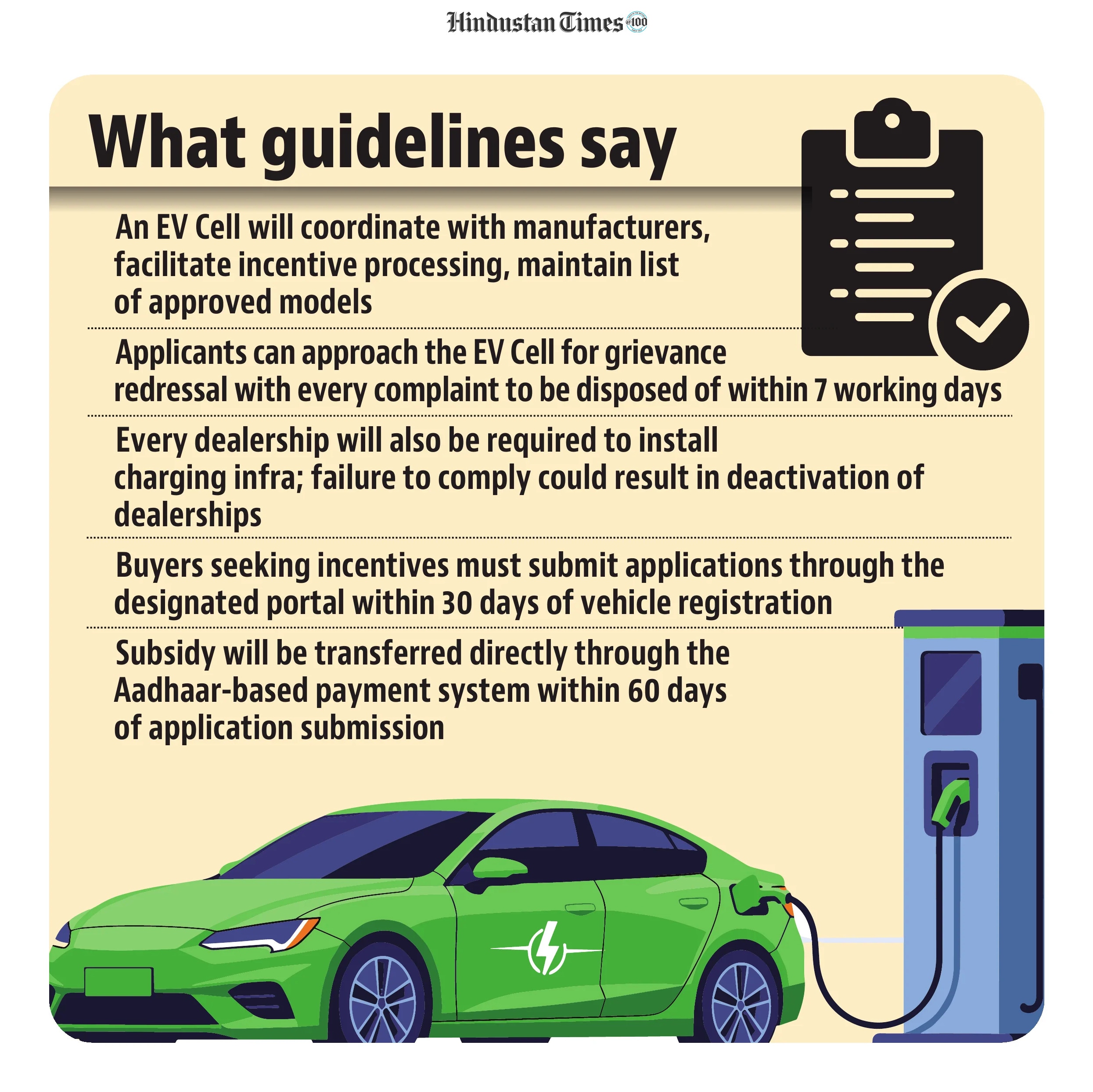
“An EV Cell will be responsible for overall implementation and administration of these guidelines. It will administer the designated portal, coordinate with original equipment manufacturers (OEMs), facilitate incentive processing and maintain the list of approved vehicle models,” said transport minister Pankaj Singh.
The operational framework also creates a formal grievance redressal mechanism. Applicants can approach the EV Cell through the designated portal, email or helpline, and every grievance is to be acknowledged within three working days and disposed of within seven working days, excluding the period taken by applicants to furnish additional documents, according to an official statement.
The guidelines also define the role of a model approval committee comprising the special commissioner (electric vehicles), joint/deputy commissioners and an expert from a testing agency. The committee will scrutinise vehicle models, verify compliance with technical and localisation norms and approve eligible models for incentives.
“Upon receipt of an application for approval of a vehicle model, the committee will examine the application and, within seven working days, either approve the application or communicate the deficiencies,” the guidelines state.
OEMs will have seven working days to rectify deficiencies, after which the committee will take a final decision within another seven working days. Only approved vehicle models will qualify for incentives.
“The OEM and its authorised dealers will be jointly responsible for the correctness and authenticity of information furnished in connection with vehicle model approval,” the document says.
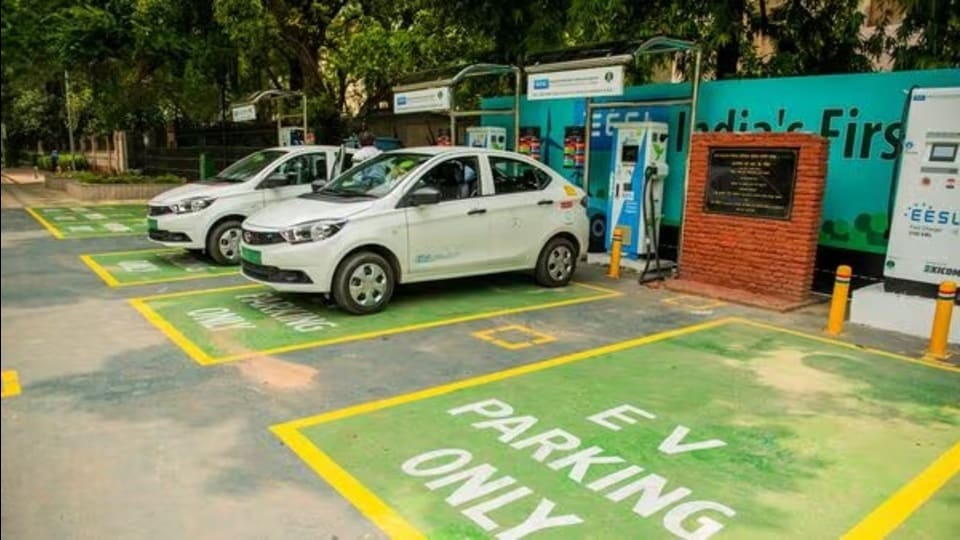
Every authorised dealership will also be required to install charging infrastructure. The guidelines mandate that OEMs operating in Delhi deploy at least one public electric vehicle charging station at each authorised dealership, comprising a minimum of three charging points for two-wheelers and two charging points for four-wheelers, within six months of notification. Failure to comply could result in deactivation of dealerships from the incentive processing portal until compliance is achieved, the guidelines state.
Purchase incentives
For buyers seeking purchase incentives, applications must be submitted through the designated portal within 30 days of the generation of the vehicle registration certificate. “District transport officers (DTOs) will verify applications and communicate any deficiencies within 15 working days, while applicants will have seven working days to furnish additional documents. Once verification is complete, DTOs must communicate their decision within seven working days. The subsidy will be transferred directly through the Aadhaar-Based Payment System,” an official said.
The eligible subsidy amount will be disbursed within sixty days from the date of submission of the application, subject to verification and fulfilment of the applicable requirements, the guidelines state, adding that the scrapping incentives will follow a similar digital process.
The guidelines also provide for integration of the designated portal with the VAHAN database and enforcement systems to operationalise restrictions on the entry of non-compliant vehicles into Delhi, while maintaining a real-time list of exempted vehicles.