E-Paper



Kaushambi’s Alwara Lake set for Ramsar tag, to gain global recognition
The forest department has completed all formalities and submitted the proposal along with the required documents

 Prefer HTon Google


The Alwara Lake in Kaushambi, the largest natural wetland in the Prayagraj division, is set to receive national and international recognition with its proposed designation as a Ramsar Site, a globally recognised status accorded to wetlands of international importance.
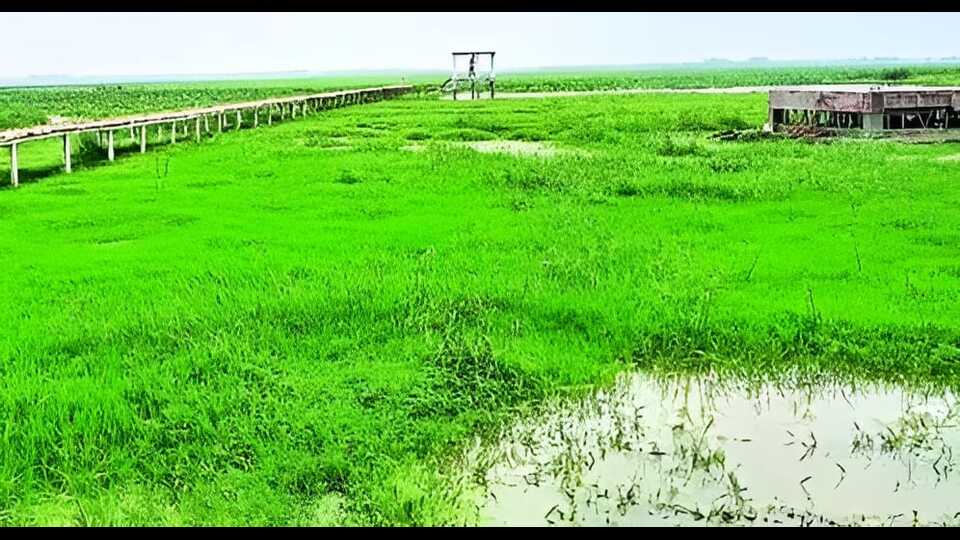
The forest department has completed all formalities and submitted the proposal along with the required documents. The declaration process is now in its final stage, officials said.
Spread across nearly 425 hectares in Alwara village of Manjhanpur tehsil, the perennial wetland is expected to become Uttar Pradesh’s 14th Ramsar Site after formal approval. The designation is expected to strengthen biodiversity conservation, improve protection against encroachment and pollution, promote scientific management and habitat restoration, and boost eco-tourism while creating sustainable livelihood opportunities for local communities.
Divisional forest officer, Kaushambi, Ajay Kumar Pandey said the proposal had been forwarded after all requested documents were furnished. “The process has reached its final stage,” he said.
According to official data, India had 101 Ramsar Sites covering 1,387,741 hectares as of August 4, 2026. The inclusion of Alwara Lake would further expand the country’s network of internationally recognised wetlands.
Located around 75 km from Prayagraj and 25 km from the Kaushambi district headquarters at Manjhanpur, Alwara Lake is fed by the Yamuna’s backflow and rainwater. It plays an important role in groundwater recharge and supports rich biodiversity, including resident and migratory birds, vulnerable species such as the Sarus crane, and diverse aquatic flora. The wetland also serves as an important wintering habitat for migratory birds.
Environmentalists and biodiversity experts have long advocated the lake’s inclusion in the Ramsar list. Once notified, the site will receive greater priority for long-term conservation planning and scientific management. The Ramsar designation will also improve access to financial and technical assistance under conservation programmes, although funding will depend on project-specific approvals rather than the designation itself.
Officials also see significant tourism potential in the lake. District tourism officer Kirtiman Srivastava said Alwara Lake could be developed as a major nature tourism destination under the proposed Ramayana Tourism Circuit because of its strategic location between Ayodhya, Prayagraj and Chitrakoot. Plans also envisage an international yoga and meditation centre, along with Ayurveda and Panchakarma-based wellness facilities around the lake to promote wellness tourism.
The wetland’s watershed extends over nearly 400 hectares, making it one of the most ecologically significant freshwater ecosystems and an important site for conservation, research and sustainable tourism in the region.